A Law Born of Tragedy, A Shield for Communities
Born from the Bhopal disaster, this law ensures swift protection and compensation for communities affected by industrial accidents
The concept of insurance is not new, though it is still often considered a push product. Its earliest traces can be found in ancient Greece and Rome, particularly through the Rhodian Sea Law, which provided a collective system of reimbursement for cargo losses at sea.
In India, the insurance industry took shape much later. The first life insurance company was set up in Calcutta in 1818. To regulate the sector, the Indian Life Insurance Companies Act was enacted in 1912, making it the first law in India to oversee the insurance business.
And the rest is history. Today, we have insurance for all, from personal life security to non-living things. It shows how important insurance coverage is for unprecedented accidents. Most people are aware of regular insurance. In fact, let’s discuss an unusual one—Public Liability Insurance (PLI).
A Law Rooted In Tragedy
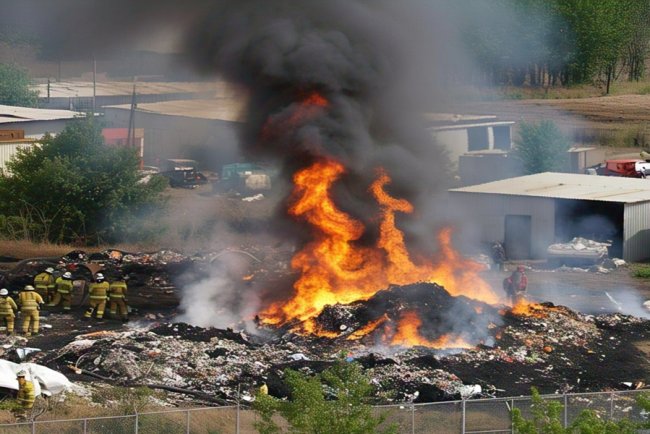
India’s Public Liability Insurance (PLI) Act has its origins in one of the darkest nights in the country’s industrial history — the Bhopal Gas Tragedy of 1984. Thousands lost their lives, countless others were left with permanent injuries, and an entire city was scarred forever. If anything, the disaster underscored a simple truth: when industry goes wrong, it is often ordinary people — passersby, street vendors, schoolchildren — who bear the brunt.
In 1991, the government responded with the Public Liability Insurance Act, mandating that every factory handling hazardous substances carry insurance coverage. The intent was clear — victims must get immediate relief without being trapped in years of litigation, and businesses must be prepared to shoulder responsibility without collapsing under the weight of claims. Let’s understand it case by case.
The Bhopal Gas Tragedy (1984)
Had the PLI Act existed then, the policy would have directly covered third-party injury, death, and property damage, without victims having to prove negligence. The tragedy became the strongest argument for an immediate relief mechanism — a law that finally took shape in 1991.
Jharkhand Gas Leak (2021)
Unlike Bhopal, victims here did not wait endlessly. The Act worked as intended — bridging the gap between disaster and relief.
The law evolves: 2024 amendments
Over 30 years later, the law has been updated to reflect today’s risks. Compensation ceilings have been raised drastically:
Fatalities: from ₹25,000 to ₹5,00,000 plus medical expenses up to ₹1.5 lakh.
Property damage: from ₹6,000 to as high as ₹50 lakh.
Permanent disability: up to ₹5,00,000 plus medical expenses.
Temporary disability: ₹25,000 per month for up to three months.
Per-accident coverage has also expanded, with higher aggregate limits to accommodate multiple accidents.
The principle remains unchanged: if a business can cause harm, its insurance must be able to protect those harmed.
Beyond Compliance: A Human Obligation
Even today, incidents in Visakhapatnam, Jharkhand, and other clusters prove that accidents continue to happen. What has changed is that the law is being enforced more stringently. Pollution boards and regulators have begun cracking down with FIRs, license suspensions, fines, and closures for non-compliance.
The Gap: Industry Awareness
Bridging Compliance And Protection
As Evaa Saiwal, Head of Liability & Cyber Insurance at Policybazaar for Business, explains: “Public Liability Insurance is far more than a regulatory requirement — it’s a crucial financial and ethical safeguard for businesses and the communities they operate in. It provides immediate relief to those affected without legal delays, keeps businesses operational by cushioning them from financial setbacks, and ensures compliance that protects them from penalties and reputational harm. Increasingly, forward-looking business leaders are recognising that liability coverage isn’t just an expense — it’s an investment in resilience, trust, and long-term sustainability.”
The Public Liability Insurance Act was born out of Bhopal’s devastation. It has since evolved into a safeguard designed to balance industry growth with community protection. The law ensures that when factories mishandle hazardous substances, it is not innocent bystanders who pay the price.
PLI remains a reminder that industrial responsibility goes beyond profits. It is about resilience, trust, and above all, humanity.
What's Your Reaction?