Air Liquide launches industrial-scale CO₂ capture pilot in France to help reduce cement sector emissions.
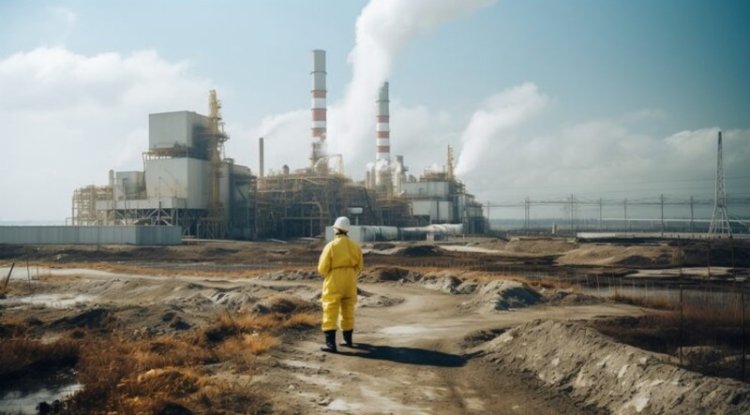
Air Liquide has launched its first industrial-scale carbon capture pilot unit aimed at the cement sector. This marks an important step in reducing emissions from one of the most carbon-heavy industries globally. The project is based at Holcim’s CaptureLab in France and seeks to test and validate carbon capture technology in real operating conditions. Manufacturers are looking for practical solutions to meet climate goals. This initiative reflects increased interest in carbon capture, cement decarbonisation, CO₂ emissions reduction, industrial decarbonisation, and climate transition technologies in heavy industries.
The pilot unit uses Air Liquide’s Cryocap™ FG technology. It can process 3,000 Nm³/h of flue gas generated during cement production. This project comes at a time when governments, investors, and industrial companies are prioritizing emission reductions in sectors where electrification and renewable energy cannot fully eliminate carbon emissions. Cement production is responsible for a considerable portion of global industrial emissions, making carbon capture, cement decarbonisation, CO₂ emissions reduction, industrial decarbonisation, and climate transition technologies crucial for future climate strategies.
Addressing a Difficult Decarbonisation Challenge
Cement manufacturing poses unique challenges in shifting to a low-carbon economy. Unlike other industries that can significantly cut emissions through renewable electricity, a large part of emissions from cement arises from the chemical processes involved in making clinker, the main component of cement. During production, heating limestone at high temperatures releases carbon dioxide due to an unavoidable chemical reaction.
Since these process emissions cannot be reduced solely through energy efficiency improvements or clean power use, carbon capture is seen as one of the most feasible ways to achieve significant emission reductions in the sector. Experts agree that carbon capture and storage technologies are vital for reaching long-term net-zero goals in cement manufacturing.
Cryocap™ FG Technology Under Industrial Conditions
The newly launched pilot uses Cryocap™ FG, a specific version of Air Liquide’s carbon capture technology designed for flue gas applications. This system tackles one of the main technical challenges in deploying carbon capture in cement plants: managing complex flue gas streams.
Air Liquide states that the unit removes impurities and pre-concentrates carbon dioxide before the final purification stage. Flue gas from cement plants typically contains dust, moisture, and various contaminants that can hinder the efficiency and reliability of carbon capture systems. Therefore, effective pre-treatment is essential for large-scale commercial use.
By testing the technology at an industrial scale, Air Liquide aims to show it can function under real production conditions while gathering data to inform future commercial projects in the cement and lime sectors. The pilot is expected to provide valuable insights into performance, operational reliability, and integration needs.
Modular Design Supports Future Deployment
The pilot unit features a modular design, enabling it to be transported and set up at different industrial sites once testing at CaptureLab is complete. This flexibility could speed up the evaluation of carbon capture technology across diverse production environments and plant setups.
Industry experts point out that modular systems may help reduce deployment risks and costs by allowing operators to perform real-world testing before making large-scale investments. The ability to relocate the pilot between facilities could also foster collaboration across the cement sector as companies explore different methods of decarbonisation.
The project builds on Air Liquide’s experience with its Cryocap™ H₂ technology at Port-Jérôme in France. The company has gathered over ten years of operational expertise there. Insights from previous industrial applications will likely support adapting the technology for cement and lime production.
CaptureLab Provides Industry Testing Platform
Holcim’s CaptureLab is a dedicated testing ground for carbon capture technologies and is known as the world’s first carbon capture test platform for the cement industry. The facility was created to speed up the development and validation of new technologies that can cut emissions from cement production.
Pilot projects like the Air Liquide initiative are crucial for assessing whether technologies can move from lab demonstrations to commercially viable infrastructure. Beyond technical performance, carbon capture projects must tackle issues such as permitting, integration with plant operations, CO₂ transportation networks, storage availability, and compliance with regulations.
As governments implement stricter climate policies worldwide, the need for proven and scalable solutions is becoming more urgent. Facilities like CaptureLab offer a chance to evaluate technologies in realistic industrial settings before more extensive deployment.
Industry and Policy Implications
While successfully operating the pilot would be a significant technical accomplishment, wider adoption of carbon capture in cement manufacturing will hinge on economic and policy considerations. Analysts suggest that broad deployment may need supportive regulations, carbon pricing mechanisms, public incentives, and rising demand for low-carbon construction materials.
This project also reflects Europe’s attempts to balance industrial competitiveness with climate goals. Heavy industries like cement, steel, and chemicals are vital to the region’s economy and contribute significantly to industrial emissions.
In discussing the launch, Armelle Levieux, a member of Air Liquide’s Executive Committee overseeing Innovation and Technology activities, stated that the project is a key step towards decarbonising the cement industry and shows the company’s capability to scale its technologies from research to industrial use.
Although this pilot alone will not change the sector, it is another move towards finding practical solutions to reduce emissions that conventional measures cannot eliminate. If proven viable on a larger scale, technologies like Cryocap™ FG could significantly help cement manufacturers tackle process emissions and fulfill their long-term climate commitments.
What's Your Reaction?