Anora Targets 30% Regenerative Barley by 2030 in New Deal
Nordic spirits group Anora aims to source 30% of its barley from regenerative farms by 2030 through a renewed partnership with the Baltic Sea Action Group, highlighting a deep supply-chain sustainability push.
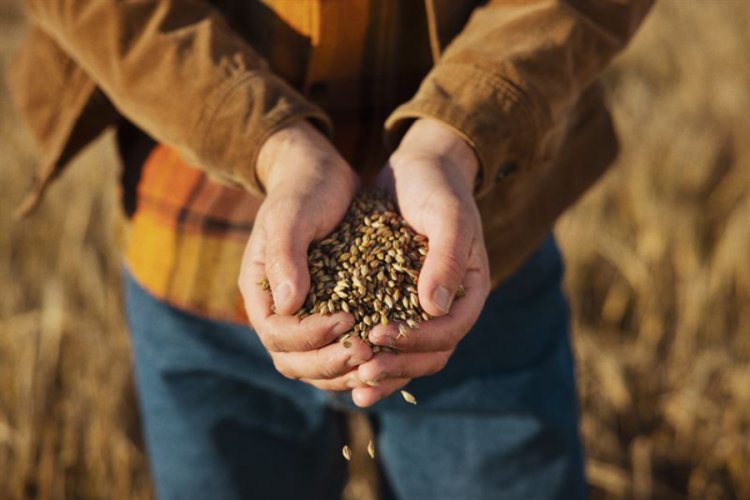
Nordic spirits group Anora has significantly increased its commitment to regenerative agriculture, targeting a critical ingredient for its grain-based spirits. The company has renewed its long-term partnership with the Baltic Sea Action Group (BSAG), setting a new goal to source 30% of its barley from regenerative farms by 2030. This move highlights a strategic shift within the beverage industry towards embedding environmental resilience directly into the supply chain.
Anora, a major buyer of Finnish barley, processes around 180 million kilograms of grain annually from approximately 1,500 farms. This scale gives the company substantial leverage to influence sustainable farming practices. The renewed focus on regenerative agriculture aims to reduce supply chain emissions, improve soil health, and protect the Baltic Sea from harmful agricultural runoff.
A Decade-Long Partnership for a Healthier Ecosystem
This new target marks the third major commitment between Anora and BSAG, building on a collaboration that began in 2015. The partnership has already delivered tangible outcomes, including the development of the world’s first vodka made from regeneratively farmed barley. Beyond product innovation, the alliance has focused on practical support, providing Finnish farmers with training and resources to transition towards more sustainable cultivation methods.
The core principle guiding this long-term effort is that ecological restoration does not happen overnight. Regenerative practices, which focus on improving soil organic matter and biodiversity, require years of consistent management to demonstrate their full benefits. By entering into a third multi-year agreement, Anora and BSAG are reinforcing a patient, long-term approach to restoring agricultural landscapes and the connected Baltic Sea marine environment.
From Field to Bottle: Integrating Sustainability into Core Business
For Anora, regenerative agriculture is not a side initiative but an integrated part of its corporate sustainability strategy. Company leaders describe it as a cornerstone of their roadmap, delivering multiple benefits. It reduces climate impact by lowering carbon emissions linked to raw material production, strengthens the long-term resilience of its farming partners through healthier soils, and addresses a key regional environmental challenge — eutrophication in the Baltic Sea.
The company’s role as a leading purchaser of Finnish barley places it in a unique position to drive this transition. By committing to source an increasing share of its grain from regenerative farms, Anora creates stable demand and a clear incentive for farmers to adopt new practices. This collaborative model is designed to build a more resilient and environmentally responsible upstream supply chain that benefits both the business and its agricultural partners.
Part of a Broader Sustainability Ambition
The renewed emphasis on regenerative sourcing forms one pillar of Anora’s broader environmental strategy. The Finland-based spirits group, which reported revenues of €692 million last year, has also set ambitious goals elsewhere. Notably, it aims to achieve fossil-free production at its flagship Koskenkorva distillery by the end of 2026, with a plan to extend this across all operations by 2030. The company has stated that it intends to meet these targets without relying on carbon offset credits.
Together, these commitments reflect how major players in the food and beverage sector are moving beyond simple emissions reduction towards actively restoring natural systems. This approach links corporate performance directly with positive ecological outcomes in sourcing regions, signalling a future where business success is increasingly tied to environmental stewardship.
What's Your Reaction?

















