Antarctic Sea Ice Loss Accelerates, Alarming Scientists and Raising Fears of Climate Tipping Point
Antarctica’s sea ice loss has reached record lows, alarming scientists who warn of a climate tipping point with risks for global weather, ecosystems, and sea level.
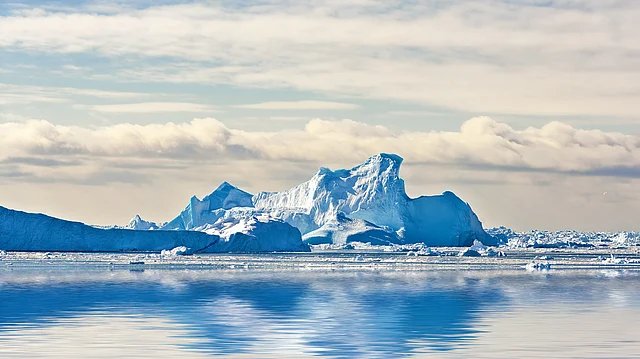
Recent data indicates that Antarctic sea ice is vanishing faster than before, therefore scientists all around are concerned. This could cause significant political and environmental effects as well as significant changes in the climate. Satellites and instruments revealed the lowest winter sea ice levels since data first begun in 2025. It seems the fall we have witnessed since 2017 is accelerating even further.
Usually, September is when Antarctic sea ice is at its highest. Because it reflects sunshine, alters ocean currents, and protects terrestrial glaciers, it is essential for managing the earth's climate. Maps from the US National Snow and Ice Data Center (NSIDC) and other researchers reveal a significant decline—more than 2 million square kilometers less than the 1981–2010 average. The ice is additionally fragmented and thinner. Areas like the Bellingshausen and Amundsen Seas are now largely open water, thus the dark ocean is absorbing more heat.
Rising temperatures from greenhouse gases, changing winds, and melting terrestrial glaciers all affect freshwater flow into the ocean, hence creating this occurrence. Local fauna are at risk as ice formation gets more difficult due to present record-breaking heat waves in the Southern Ocean.
The possible consequences of this are concerning. Elimination of sea ice might undermine the ice shelves holding Antarctic huge glaciers in position. This could cause land ice to flow into the ocean more quickly and elevate world sea levels. Home to krill, penguins, seals, and whales, the Antarctic environment is under threat. The food chain is collapsing as the ice vanishes. Should Antarctica change, weather patterns could be altered, fishing businesses damaged, and more severe weather could occur in other locations.
These findings make us question if we are nearing a tipping point where melting will continue regardless of the degree to which we reduce emissions in the future. What is happening in Antarctica highlights how crucial it is for governments to pledge to reduce pollution more and for nations to discuss climate change. Additionally absolutely crucial is investing further money in adjusting to climate change and monitoring it.
What's Your Reaction?

















