


Indian workspaces are moving beyond green building labels, with companies focusing more on everyday sustainability measures that improve employee well-being and operational efficiency
For years, sustainability in Indian offices mostly meant one thing: green buildings. Developers proudly displayed certifications, energy ratings and glass-heavy “eco-friendly” campuses. But inside many offices, daily operations often carried on as usual. Harsh cleaning chemicals, poor ventilation, artificial lighting and wasteful practices remained part of the work culture. That conversation is now slowly changing.
Across India’s flexible workspace sector, operators are beginning to realise that sustainability is not just about how a building looks on paper, but how people actually experience it every single day. From indoor air quality and natural lighting to waste segregation and healthier materials, the focus is shifting from infrastructure to operations.
According to Saurabh Kalra, COO of Spring House Workspaces, the idea is to make sustainability feel natural rather than forced. “It should not exist only at a structural level,” he says. “The workspace itself should quietly support comfort, efficiency and well-being.”
Kalra says many of the changes happening today are not flashy. They are simple operational decisions that employees may not immediately notice individually, but feel collectively. Better airflow, more natural light, greener layouts, and reduced dependence on artificial systems create workspaces that feel calmer and easier to work in.
“People may not always point out sustainability measures directly, but they definitely respond to how a workspace feels,” he explains. “A fresh, comfortable and well-lit space naturally improves focus and engagement.”
The pandemic has caused companies to reconsider their requirement changes for employees. The discussion about hygiene and wellness and comfort has become mainstream. The extended time employees spend in office environments has led organisations to realise that workplace design directly impacts productivity and employee retention, and their mental health.
"Everyday touchpoints play a big role in shaping how a workspace feels," says Anuj Arora, Executive Director at Incuspaze, by studying air quality and office material selection and building maintenance procedures. According to him, employees interact with these elements constantly, and over time they influence comfort, focus and overall well-being. The need for companies to create safe and comfortable and functional workspaces has become more important because people now understand hygiene and health better than ever before.
Kalra believes small operational choices now matter as much as large sustainability announcements. “Everyday touchpoints shape the overall experience,” he says. “Whether it is the air people breathe, the materials around them or the way spaces are maintained, these things influence comfort over time.”
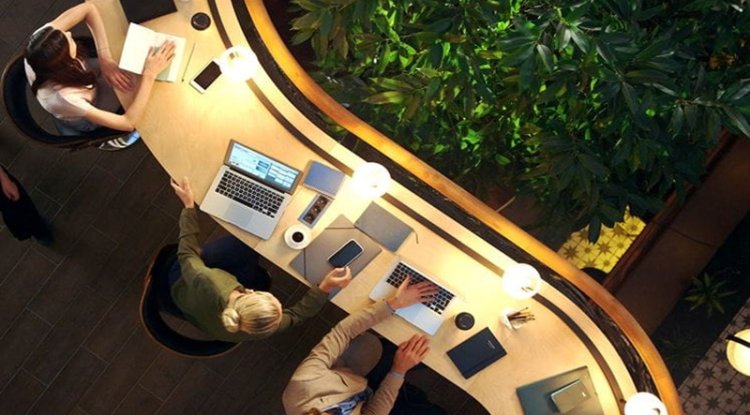
Inside flexible workspaces, this has translated into practical changes. Many operators are adding greenery, improving ventilation, reducing clutter, using sustainable cleaning products and designing layouts that balance collaboration with quieter working areas. Ergonomic furniture and natural lighting are also becoming standard rather than premium additions.
Importantly, Kalra argues that greener operations do not always increase costs in the way businesses often assume. “There is still a perception that sustainability automatically means higher spending,” he says. “But in many cases, it is simply about using resources more efficiently.”
That mindset is also changing among clients. Companies leasing office spaces are now paying closer attention to employee experience instead of just rental costs or aesthetics. According to Kalra, healthier workplaces are increasingly being viewed as a basic expectation rather than an optional premium offering. “The conversation is shifting from cost to long-term value,” he says. “Comfort, productivity and retention are becoming central to workplace decisions.”
This broader change is also influencing how ESG is being viewed inside Indian real estate. For years, the sector focused heavily on certifications and large infrastructure claims. But Kalra says the next phase of ESG will depend far more on accountability and measurable outcomes. “People now want to know how sustainability actually works in practice,” he says. “How is the building being operated every day? What impact are these measures creating?”
The trend is no longer limited to metro cities either. Tier-2 cities are also beginning to adopt similar workplace expectations as businesses expand beyond traditional urban centres. Companies across locations are increasingly looking for offices that combine efficiency, comfort and sustainable operations.
At the same time, the sector continues to face challenges around consistency and credibility. Greenwashing remains a concern, especially as sustainability becomes a marketable business term. Kalra says the only way to avoid that is through continuous implementation instead of one-time campaigns. “Sustainability has to become part of everyday operations,” he says. “Not just something companies talk about occasionally.”
That may ultimately define the next phase of workplace sustainability in India. The spotlight is gradually moving away from glossy certifications toward the quieter details that shape everyday office life. And in many ways, that is where the real test begins.
What's Your Reaction?

















