Chandigarh Imposes ₹6,000 Fine for Water Wastage Starting April 7, 2025
Chandigarh to impose ₹6,000 fine for water wastage starting April 7, 2025, aiming to promote responsible water use. Repeat offenders may face supply cutoffs. The policy targets urban water conservation, supporting long-term sustainability.
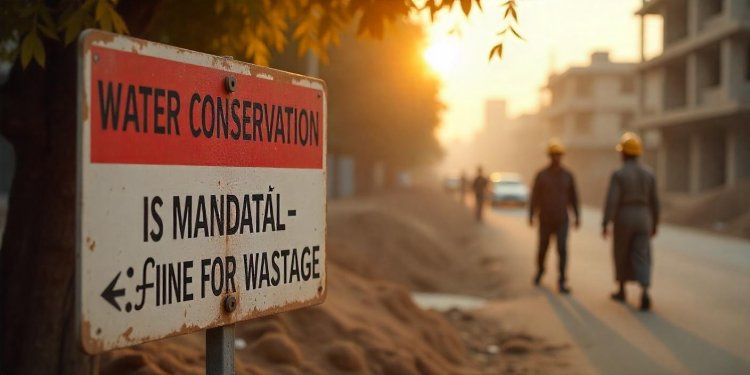
In an endeavor to address increasing demand for water scarcity and enforce sensible use, Chandigarh government has introduced strict regulation to penalize water wastage. Any consumer wasting water from April 7, 2025, will be fined ₹6,000. The government has initiated the measure as a preventive measure to save water resources and put the onus on people's use of water in everyday life.
This fresh regulation is included in the integrated Chandigarh plan to mitigate the patchy rain trends and water shortages at peak demand and lean water supply trends. Summer draws near, which means greater water demand with lavish gardening, car washing, and general household use. The need to embrace conservation steps before an impending crisis has been underlined by the authorities.
The penalty will be for visible wastage of water including overflowing tanks, overuse of hosepipes, and open running taps in offices and houses. Municipal teams and local ward officials will conduct area patrols and spot checks to enforce the new rule. Repeat offenders will be fined ₹6,000 for the first offense, and subsequent offenses can attract heavy fines.
Repeat violators may be met with a total shutdown of the supply of water to their premises, as per the officials. The second fine is aimed at deterring habitual default and encouraging responsible behavior. The administration will also issue advance notices in these instances and provide advice on water conservation before taking action.
Public awareness campaigns are being organized in support of the enforcement campaign. These will comprise door-to-door campaigns, local events, and web outreach to spread awareness among the residents about wise use of water and easy conservation measures like fixing leaks, use of buckets in place of running taps, and scheduling irrigation operations. Schools and city residential welfare associations will also be sure to be involved in generating awareness.
Chandigarh has experienced water management issues in recent times with population density mounting pressure on the available water infrastructure. The Union Territory is now dependent on piped water supply of rivers and groundwater. Groundwater is decreasing due to over-draw and poor recharge, and supplied water needs to be conserved.
For better long-term sustainability, the government is making attempts at rainwater harvesting projects, pipeline surveys in an attempt to curb leakage, and optimal networks for water delivery. Recent stringent enforcement of wasting water is to be expected that will aid such endeavors by instilling changes of attitude among individuals.
The ₹6,000 fine for water wastage in Chandigarh from April 7, 2025, is an indication of moving towards stricter regulation of resources as urban issues intensify. Blending legal deterrents with public awareness, the government seeks to make society more water-sensitive. Whether it will succeed will depend on enforcement consistency, civic engagement, and wider urban water management reforms.
Source/Credits:
Source: RVCJ Media
Credits: Chandigarh Municipal Corporation, Urban Water Management Division
What's Your Reaction?