China Targets Eliminating Severe Air Pollution by 2025, While India Struggles with Worsening Air Quality Crisis
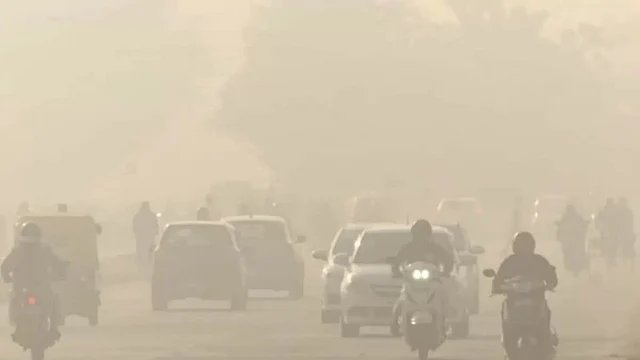
While China is working towards phasing out severe air pollution by 2025, India is grappling with an air pollution emergency that has serious health and economic consequences. While China is enhancing air quality, India's air pollution levels are increasing, with far-reaching public health and economic consequences.
China's Fight Against Air Pollution
China has recorded significant air pollution reductions in recent years, but the government is now increasing efforts to eliminate severe pollution by 2025. The Chinese government aims to improve its air quality forecasting and early warning services and improve the management of airborne hazardous particles, including fine particulate matter (PM2.5) and ozone pollution.
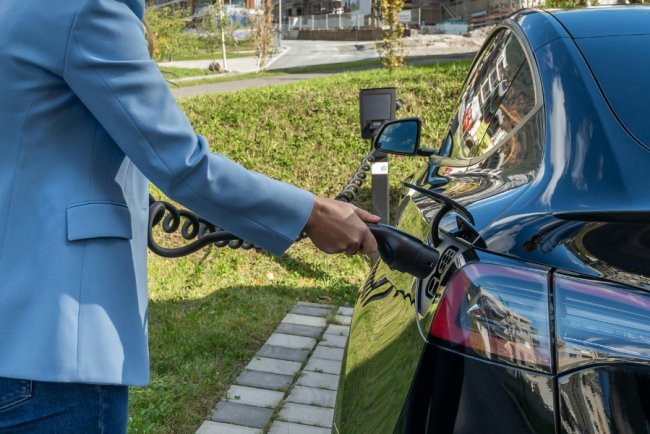
China also targets more stringent emission standards and aligning with international standards. The government is looking to increase the share of new energy vehicles (NEVs) in categories such as airport, seaport, and logistics parks. Further, authorities will promote long-distance cargo transportation by water and rail rather than road transport.
The government actions have already started yielding fruits. According to recent surveys, China's air has improved substantially, as the average concentration of PM2.5 in the city fell to 29.3 micrograms per cubic meter, a 2.7% decrease from previous year. In addition, the proportion of good air days rose to 87.2%, up by 1.7% compared to last year. The better air quality is significant as China aims to meet its ambitious goal of bringing an end to severe pollution by 2025.
The World Health Organization (WHO) considers PM2.5 above 50 micrograms per cubic meter as "severe" air pollution. While China has made remarkable progress, it is clear that a lot of work remains to be done to provide clean air throughout the country.
India's Pollution Crisis
While China is battling the adverse effects of pollution, India is battling growing air pollution issues, particularly in the north. In a recent report by the Artha Centre for Rapid Insights (ACRI), the effects of deteriorating air quality are being felt across India, with staggering health and economic implications. The study, carried out in eight of the most affected states by conducting surveys in homes, brought into focus the gigantic effect air pollution is having on the health of individuals, especially in states like Punjab, Rajasthan, and Delhi.
The study confirmed that more than 60% of the interview respondents in these areas had reported that they suffered from respiratory problems in the month with the highest level of pollution in November 2024. In addition, 56% of the interviewees or their families suffered from respiratory diseases due to pollution. The impact was strongest on young adults, with more than 60% of the 18-30 age group suffering from diseases caused by air pollution.
Delhi, which is among the world's largest polluted cities many times over, has had its Air Quality Index at perilous levels on November 19, 2024, with readings of more than 500. This compares to the relatively safe benchmark, and it highlights just how huge of a problem this actually is. In response, many citizens had to miss school or work as a result. The research noted that 70% of the victims were forced to miss one or more school or work days.
Even while the government attempts to stem the pollution crisis by imposing measures such as the National Clean Air Programme (NCAP), India is lagging behind in attempting to fulfill its targets in reducing pollution. India is precisely the third most polluted nation on the planet, according to a report by AQI.in. The lack of proper and effective implementation of anti-pollution measures has put the brakes on progress in stemming the air quality crisis in the nation.
Health and Economic Effects
Poor air quality in India has severe health effects. The rise in respiratory disease has not only affected the quality of life for those suffering from it but also placed a heavy burden on the health system. The rise in disease because of pollution, particularly respiratory disease, is leading to a rise in medical costs, adding to pressures on public health infrastructure.
The economic burden of air pollution is also clearly visible. The ACRI study demonstrated that the majority of people in the affected areas lost a day of work or school, a direct economic loss to productivity and economic output. The worsening air is also affecting tourism and business in the big cities with Delhi being a good example. As the air worsens, the economic loss will worsen unless extreme action is taken to address the pollution problem.
The Urgent Need for Action
Since both China and India have significant air pollution problems, it is certain that both countries must take action immediately. Although China has made tremendous strides in the area of clean air and will probably meet its goal of 2025, things are still getting worse in India as regards air pollution. With nothing being practically done to manage pollution and urbanization and industrialization being conducted in India, the problem is increasing in India.
For both countries, the remedy to reducing air pollution is robust enforcement of tougher laws, further investment in clean technology, and increased public awareness of the health consequences of air pollution. The focus has to be on reducing industrial emissions, greater use of cleaner energy, and green transport.
Conclusion
While China is working day and night to eliminate widespread air pollution by 2025, India is facing an impending crisis that must be curbed immediately. The economic and health impacts of dirty air in India are disastrous, and every effort must be made simultaneously to stop the level of air pollution and improve the quality of air for generations to come. They need to work more diligently at constructing anti-pollution controls, fund cleaner technologies, and work more diligently for their people's health and well-being.
Source: Reuters, Artha Centre for Rapid Insights (ACRI)
What's Your Reaction?