China’s Brahmaputra Dam Sparks Ecological Concerns
China’s Medog Dam on the Brahmaputra raises ecological and geopolitical concerns for India and Bangladesh.
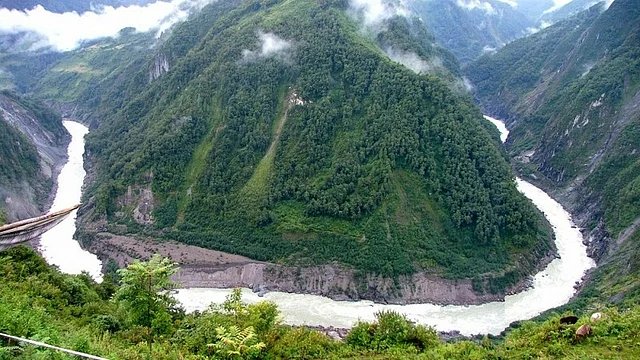
China’s $167.8 billion Medog Dam on the Brahmaputra, initiated in 2025, raises ecological and geopolitical concerns for downstream India and Bangladesh. Located in Tibet near Arunachal Pradesh, the dam will generate 300 billion kilowatt-hours annually.
The Brahmaputra, flowing 2,900 km through Tibet, India, and Bangladesh, supports ecosystems and communities. The dam, part of China’s carbon neutrality plan, violates UN watercourse norms by lacking consultation with downstream nations.
Its location in a seismically active region risks environmental damage. India is considering a counter-dam in Arunachal Pradesh to mitigate impacts. The project threatens biodiversity and increases flood risks in Assam. Cooperation on hydrological data and environmental assessments is essential to balance development and ecological stability.
The dam’s construction, expected to take 10 years, could disrupt river flow and sediment patterns, affecting agriculture and fisheries. Indigenous communities face displacement risks, and the region’s seismic vulnerability heightens concerns about dam safety. India and Bangladesh are advocating for transparent data sharing to manage downstream impacts.
The situation highlights the need for international agreements to govern transboundary rivers and protect shared ecosystems.
Source: Outlook Business
What's Your Reaction?