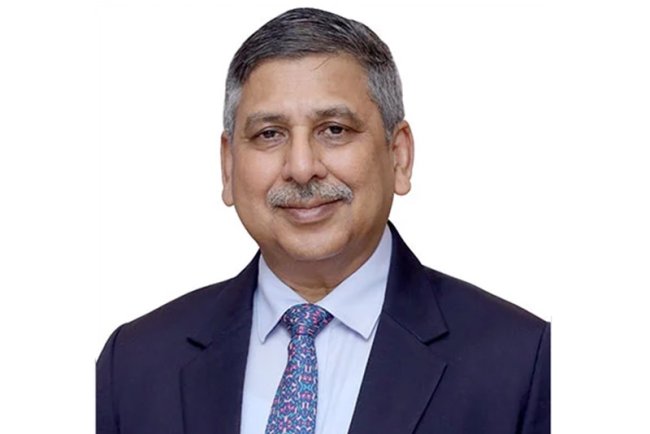
Aditya Yamsanwar, Director at TOA (Team One ArteQ), says sustainability has become a boardroom priority, with businesses increasingly embedding climate resilience, resource efficiency and environmental responsibility into design and operational decisions
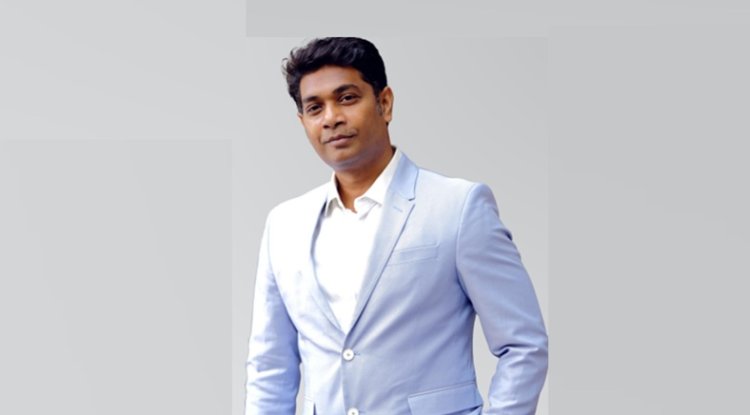
Sustainability used to be something companies talked about once a year — usually in a report nobody read. That's changing, and few people have a better view of that shift than those working on the spaces where businesses actually operate. Aditya Yamsanwar, Director at TOA, works at the intersection of design, infrastructure and environmental responsibility — and his conversations with clients have changed noticeably over the past few years.
In an email interview with ResponsibleUs, he spoke about what's actually moving the needle, what's still being ignored, and what businesses and individuals need to hear on World Environment Day.
The sustainability framework has taken the front seat in corporate conversations. What changes have you noticed in the current corporate attitude to environmental responsibility?
We can now clearly see how a company's approach to sustainability has changed. A few years ago, sustainability sat in a corner of the annual report. Today, it’s on the boardroom agenda from day one.
In the projects we work on, the most meaningful progress happens when sustainability is built into the brief rather than retrofitted at the end. Leadership is driving it, not just the design or facilities team. That’s a fundamental change in how organisations are thinking about their spaces and their long-term operational choices.
Environmental responsibility is not just limited to being an add-on initiative; it’s woven into how forward-thinking businesses define efficiency, resilience and workplace quality.
Climate change isn't a forecast anymore — heatwaves, water stress, and extreme weather are showing up in ways people can feel. How should businesses be responding to what's already here?
The climate conversation has moved from forecasts to lived reality. Climate risk is not a future scenario; it is the present situation and waiting for stable conditions is no longer a strategy. The smartest businesses are building and absorbing resilience into their briefs from day one.
This means rethinking how workplaces are built and operated. Thermal comfort, efficient cooling, optimising lighting, smarter resource use aren’t just goals for the future; these are decisions that help businesses adapt and run more efficiently over time. When buildings are made well, they reduce costs, improve experience and build genuine long-term resilience.
The businesses that will come out ahead are the ones treating climate risk as a design brief, not a disclaimer.
In your view, what is the one environmental issue that deserves the most attention from industry right now?
Resource efficiency, specifically energy and water, across commercial and institutional infrastructure is an issue that demands immediate attention. It’s the issue most directly within the industry’s control, and it’s consistently underestimated.
Within the context of healthcare facilities, operational continuity and user comfort are imperative because the spaces function for long hours and are required to support critical healthcare services. Therefore, it further enhances the importance of effective energy usage, air quality management and responsible infrastructure planning. It aligns with a wider evolution of sustainability to incorporate not just the "green" nature of a building, but also the efficiency requirements for high-performance buildings to balance operational demands with environmental responsibility.
Given the continuous expansion of these sectors, resource efficiency must become an essential aspect of how facilities are designed and operated.
On World Environment Day, what message would you like to share with businesses and individuals about building a more sustainable future?
As we celebrate World Environment Day, the message which is clear for businesses and individuals is that sustainability can no longer be treated as a supplementary project but must be interwoven into everyday decision-making.
For businesses, this means getting specific. Sustainability has to be integrated in how offices consume energy, how the supply chain sources materials and how facilities manage waste. Intent without measurement is just positioning.
It is critical for organisations to create awareness about sustainable practices among the employees, and also to integrate them into day-to-day decision making; right at the design stage the procurement stage, and the operations stage. Companies that see sustainability as a key driver of resilience, operational efficiency and employee wellbeing will be best placed to guide the future.
Individually, the focus should be on mindful consumption and consistency. We often underestimate the collective impact of small decisions, including cutting down on unnecessary waste, water and electricity conservation, reusing materials whenever possible and making environmentally conscious lifestyle choices.
The environmental challenges we face today, like extreme heat, water shortage or shrinking natural resources, aren’t really distant concerns anymore. They’re already influencing the way we live and work. So, we must act in a responsible manner to tackle these issues through long-term planning and collaboration at every level. Sustainability is not about reaching perfection overnight; it is more about making better decisions repeatedly and staying aware of how each choice, over time, adds up to a bigger impact.
What's Your Reaction?