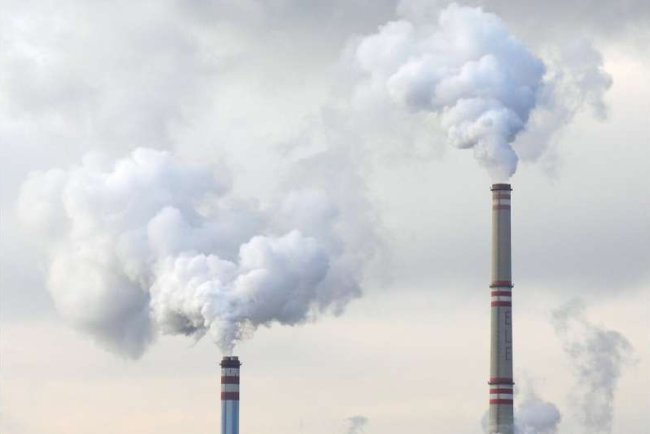
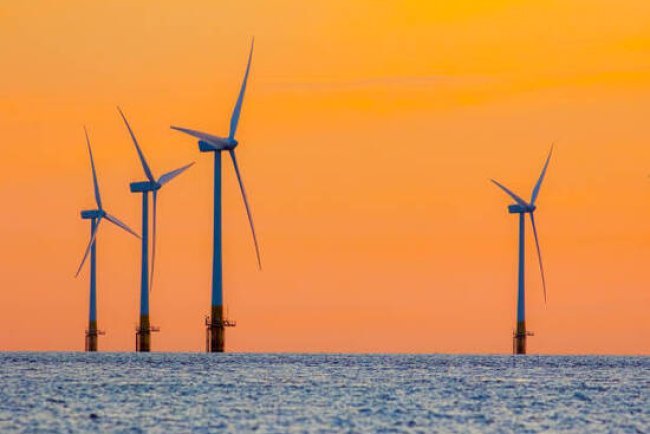
The DOE canceled $3.7B in clean energy grants on May 30, 2025, impacting carbon capture and decarbonization projects, raising concerns about jobs and climate progress. DOE terminates $3.7B in clean energy grants, prioritizing fossil fuels over carbon capture, risking 25,000 jobs and U.S. sustainability leadership.
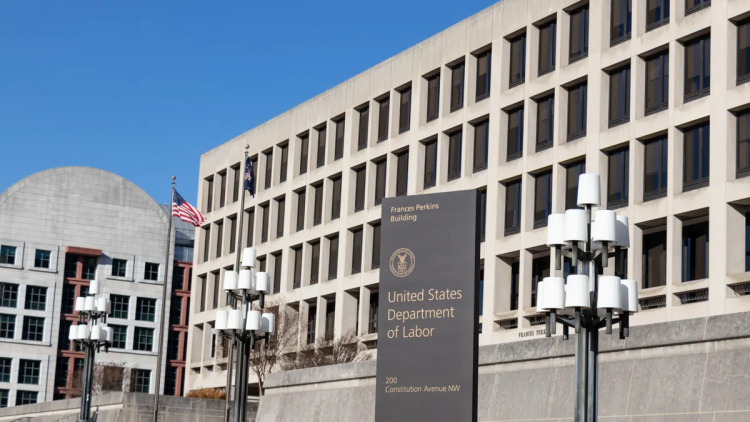
On May 30, 2025, the U.S. Department of Energy (DOE) terminated $3.7 billion in grants for 24 clean energy projects, focusing on carbon capture and industrial decarbonization, citing economic unviability. The decision, part of the Trump administration’s energy policy shift, has raised concerns about job losses and U.S. competitiveness in sustainable technologies, reflecting a broader rollback of Biden-era climate initiatives.
The canceled grants, managed by the DOE’s Office of Clean Energy Demonstrations (OCED), were part of a $6 billion Industrial Demonstrations Program funded by the Bipartisan Infrastructure Law and Inflation Reduction Act. Announced in March 2024, the program supported 33 projects to decarbonize industries like cement, steel, and chemicals, with 24 now terminated, including $500 million for Heidelberg Materials’ low-carbon cement project and $375 million for Eastman Chemical’s recycling facility. The DOE argued that the projects, many awarded in late 2024, did not align with U.S. energy needs or deliver sufficient taxpayer returns.
The cancellations align with the Trump administration’s “American energy dominance” agenda, prioritizing oil and gas over clean energy. The decision follows a proposed budget cut of $15 billion in renewable energy funding, including $6 billion for EV chargers. Affected projects aimed to reduce 14 million metric tons of CO₂ annually, equivalent to 3 million cars’ emissions, with technologies like carbon capture and sequestration (CCS) critical for hard-to-abate sectors. Critics, including the Carbon Capture Coalition, argue that the move undermines U.S. leadership in clean technology, potentially ceding ground to countries like China.
Economically, the cancellations could eliminate 25,000 jobs in manufacturing and construction, particularly in states like Texas and Indiana. The Center for American Progress warns of higher energy costs and reduced industrial competitiveness, as global markets increasingly demand low-carbon products. Environmentally, the decision risks increasing emissions, as CCS projects aimed to capture 10 million metric tons of CO₂ annually. Supporters of the cancellations argue that carbon capture enables continued fossil fuel use, diverting focus from renewables, and that federal funds should prioritize immediate energy affordability.
The timing of the grants, with 70% awarded in the Biden administration’s final months, has fueled accusations of rushed allocations, though some, like Kraft Heinz’s $170 million grant, were announced earlier. The DOE’s lack of detailed financial justification for the cancellations has drawn criticism for transparency issues. Meanwhile, global trends, such as Japan’s methanol-powered tanker, highlight alternative decarbonization pathways that the U.S. could lag in without sustained investment.web:previous
The broader policy shift, including the Labor Department’s withdrawal of the ESG fiduciary rule, reflects a retreat from sustainability-focused governance. However, state-level initiatives, like California’s Clean Truck Fund, continue to drive decarbonization, suggesting a patchwork approach to U.S. climate policy. The cancellations may deter private investment in clean energy, as companies face uncertainty without federal support, potentially slowing progress toward net-zero emissions by 2050.web:previous
Conclusion
The DOE’s cancellation of $3.7 billion in clean energy grants signals a shift toward fossil fuel prioritization, risking job losses and U.S. competitiveness in sustainable technologies. While fiscal responsibility is cited, the move challenges global climate goals and underscores the need for alternative funding to sustain decarbonization efforts.
What's Your Reaction?