Drought in Northwest England Signals Climate Shift
Drought in traditionally wet Northwest England highlights a major climate shift, driven by reduced rainfall and rising temperatures. The region grapples with agricultural losses, stressed water infrastructure, ecological damage, and public health risks. Authorities are adopting short- and long-term strategies, though challenges remain. Learning from global drought responses is key to building regional resilience.Northwest England faces an unprecedented drought, signaling climate change impacts. Discover causes, effects on agriculture, water infrastructure, public health, and solutions for a more resilient future.
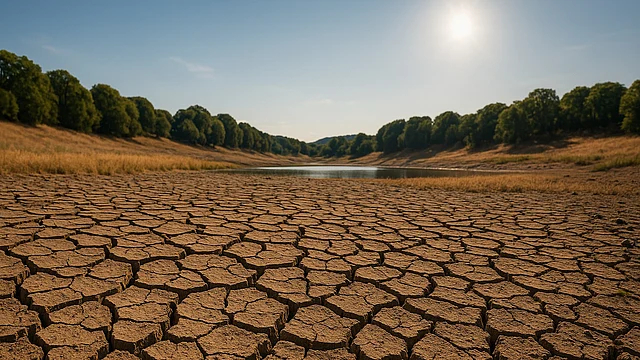
Northwest England, known for its wet climate, is grappling with an unusual drought driven by climate change. Reduced rainfall and rising temperatures have strained water resources, affecting agriculture, infrastructure, and daily life. This article explores the causes, impacts, and potential solutions to this emerging crisis in a region unaccustomed to prolonged dry spells.
Northwest England typically receives abundant rainfall, supporting lush landscapes and robust agriculture. However, recent years have seen a significant decline in precipitation, with some areas recording less than 60% of their average annual rainfall. Climate models attribute this shift to global warming, which alters jet stream patterns and reduces moisture flow to the region. Summers have become hotter, with temperatures frequently exceeding 25°C, increasing evaporation rates and drying out soil.
Agriculture, a key economic driver, faces severe challenges. Farmers report reduced yields in crops like potatoes, wheat, and barley, with some fields left fallow due to insufficient water. Livestock farmers struggle to secure enough fodder, as grasslands dry up earlier in the season. The economic impact is substantial, with losses estimated in the millions, threatening rural livelihoods.
Water infrastructure is under pressure. Reservoirs in Cumbria and Lancashire have dropped to critical levels, prompting water companies to impose restrictions on non-essential use, such as hosepipes and car washing. Urban areas face challenges maintaining supply, with some households experiencing low water pressure. Aging infrastructure, designed for a wetter climate, exacerbates the problem, as leaks and inefficiencies reduce available water.
Ecosystems are also affected. Wetlands, vital for biodiversity, are drying out, threatening species like amphibians and migratory birds. Rivers and streams have lower flows, impacting fish populations and water quality. The decline in natural water bodies disrupts the ecological balance, with long-term consequences for the region’s environmental health.
Local authorities are responding with short-term measures, such as water rationing and public awareness campaigns to reduce consumption. Long-term strategies include investing in modern irrigation systems and upgrading water infrastructure to minimize losses. Research into drought-resistant crops is underway, though adoption remains slow due to costs. Regional planning now incorporates climate projections, with models suggesting droughts could become a regular occurrence by 2040.
Public health is another concern. Prolonged heat and reduced water access increase risks of dehydration and heat-related illnesses, particularly among vulnerable populations. Hospitals report a rise in such cases during summer months. Air quality, worsened by dust from dry soils, poses respiratory risks, especially in urban areas.
Efforts to address the crisis face challenges. Funding for infrastructure upgrades is limited, and coordination between local governments and water companies is often slow. Farmers, many operating on thin margins, struggle to afford new technologies. Public resistance to water restrictions highlights the need for better education on climate impacts.
International comparisons offer lessons. Regions like California, experienced in managing droughts, use advanced water recycling and conservation techniques that Northwest England could adopt. Partnerships with global climate research institutions could also enhance local forecasting and adaptation strategies.
Conclusion:
The drought in Northwest England underscores the far-reaching effects of climate change, even in regions historically spared from such conditions. Immediate action, from water conservation to infrastructure investment, is critical to mitigate impacts on agriculture, ecosystems, and public health. Long-term resilience requires integrating climate science into regional planning and fostering community engagement. Addressing this crisis now will prepare the region for a future where droughts may become more frequent and severe.
Source:Business Outlook
What's Your Reaction?