Earth First, Then Build: Rethinking Infrastructure With AEC Innovation
By keeping the Earth as our priority and releasing AEC innovation, we can build smarter, cleaner, and with more purpose, writes the author
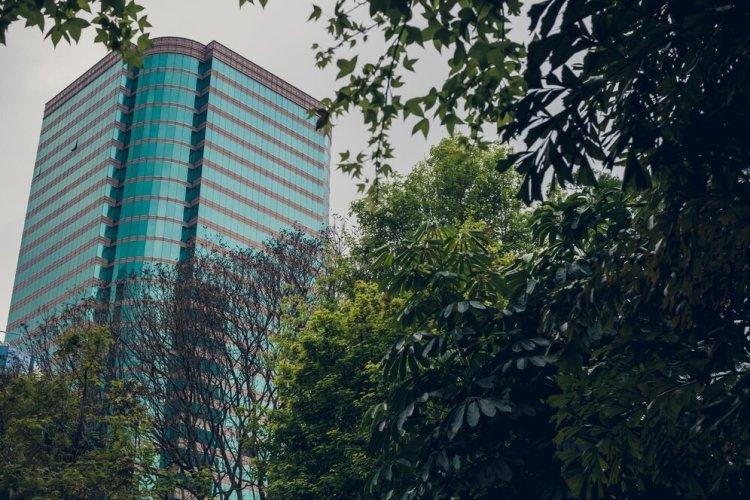
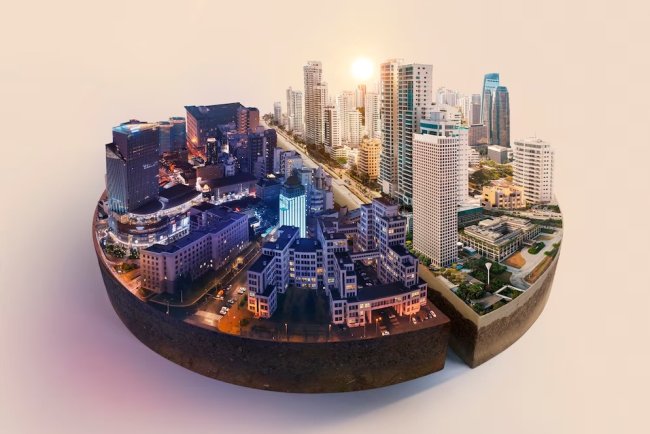
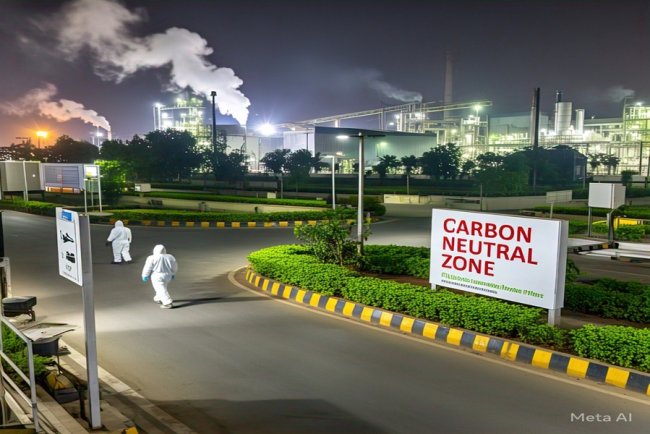
With the climate crisis growing deeper and urbanization increasing in speed, the way we construct must change. The idea of "Earth First, Then Build" has moved from idealistic theory to imperative. For the architecture, engineering, and construction (AEC) industry, that means infusing ecological stewardship into the heart of each and every project from its very outset.
Traditionally, infrastructure has equaled progress—widening roads, building skyscrapers, and laying the foundations for contemporary economies. But this recipe usually came at an environmental cost, high carbon emissions, and irreparable land use alteration. Now, we're witnessing a shift in paradigms: away from fast growth and toward sustainable, responsible growth.
Reimagining the Role of Infrastructure
This transformation is particularly urgent in climate-exposure-risk areas. Infrastructure must not only be resilient to environmental shocks but also facilitate climate mitigation through energy efficiency, resource circularity, and low-impact design. This is where AEC innovation comes into play.
Innovation as an Enabler of Sustainability
Geospatial intelligence and remote sensing enable planners to examine land sensitivity, water currents, areas of biodiversity, and topography so that development is secure and environmentally respectful. Generative design employing AI algorithms that try thousands of different design options enables complex balancing of structural efficiency with environmental factors and often finds solutions that would never cross human minds.
Top-end consultancies and Indian infrastructure strategists have already begun to incorporate such innovations into early-stage planning, again emphasizing that sustainability cannot be an exercise in the compliance box, but is a competitive advantage.
Learning from Global Models
In Sweden, Malmö, the Hyllie district is a model of smart, climate-friendly urban development. Its buildings are linked through a shared energy grid, sharing heat and cooling to minimize waste. What began as a small-scale local initiative is now a model for how cities can reach near-zero energy balance on a large scale.
In America, the Kendeda Building at Georgia Tech has set a new standard for green building in education. To achieve the high Living Building Challenge standards, the building produces more energy than it consumes, harvests and filters its own water, and sources with low environmental impact. It shows that even sophisticated infrastructure can coexist with nature.
Toward Regenerative Infrastructure
What's Your Reaction?