Ganga Water May Be Diverted To Clean Yamuna River
Delhi plans to divert Ganga water via Eastern Yamuna Canal to boost flow and reduce pollution in the Yamuna River.
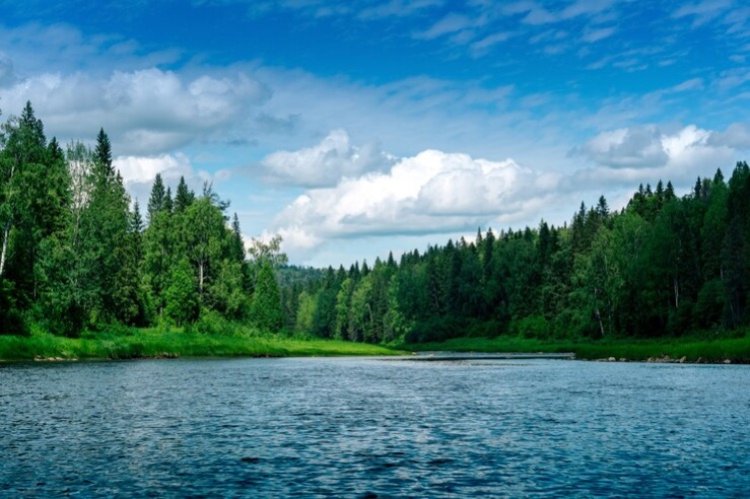
In a daring move towards rejuvenating the extensively polluted Yamuna River, the government of Delhi, in association with central organizations, is considering a plan to divert approximately 500 cusecs of Ganga water through the Eastern Yamuna Canal. The plan was discussed in a high-level meeting chaired by Union Home Minister Amit Shah on May 22 and had Union Urban Affairs Minister Manohar Lal Khattar, Jal Shakti Minister C.R. Patil, and Delhi Chief Minister Rekha Gupta in attendance.
For this scheme, water from the Upper Ganga Canal of Roorkee would be diverted through the Deoband feeder branch to the Eastern Yamuna Canal. It would then be released into the Yamuna at three locations in western Uttar Pradesh — Bhaniawala, Baraut, and Jawli near Loni — through re-engineered stormwater drains which were previously natural tributaries of the Yamuna. These channels, though now redundant to a large extent, are now being proposed for revival to carry the diverted water.
The project will mimic e-flow in the 22-kilometer section of the Yamuna passing through Delhi and is responsible for more than 76% of the river's pollution, as per the Yamuna Monitoring Committee. This water will be released upstream of Wazirabad and returned downstream through the Agra Canal. Most importantly, this water cannot be used by the Delhi Jal Board for civic purposes. Sanctions from Uttar Pradesh government and the Upper Yamuna River Board are pending.
The officials assert that the proposal is being done solely with regard to enhancing river health and not instead of wastewater treatment or infrastructure development. "This project is proposed only with the objective of enhancing river health. Utilizing the stormwater courses and dry nullahs may eliminate fresh construction," said a senior planner.
The call for action has been underscored by recent monsoon rains that briefly boosted the river's flow and visibly cleaned up water. Its typically black waters are now a more natural muddy brown, underscoring the role of flow in washing out pollutants. Delhi Pollution Control Committee figures indicate that the Yamuna needs an ecological flow of 23 cubic metres per second (cumecs), although current levels usually drop to 10 cumecs or less. Boosting the flow would serve to cancel out poisons such as biochemical oxygen demand (BOD) and total suspended solids (TSS), enhancing the ecological health of the river.
While government officials are optimistic, experts have expressed serious concerns. Bhim Singh Rawat, a river activist working with South Asia Network on Dams, Rivers and People (SANDRP), was critical of the scheme as a "shortcut" that skips facing the core issue: untreated sewage. "The Ganga itself does not have excess water during drought times. Shifting water from one drought-struck river to another is not rejuvenation," he contended.
Rawat also raised an eyebrow over the feasibility of moving water through dilapidated, polluted drains winding through encroached farm lands in Uttar Pradesh. He cautioned that the amount of proposed water is insufficient to be fruitful and demanded other measures including the revival of Shivalik feeder streams, enhanced discharge from Hathnikund barrage, and utilizing Western Yamuna Canal water via existing drains.
At the same time, Delhi is going ahead with its complementary measures. On June 24, it was known that the government is planning a closed duct system for piping treated sewage from the Coronation Pillar and Yamuna Vihar STPs to Wazirabad directly. Water from the Okhla STP also will be let off via the Abul Fazal drain. Cumulatively, these schemes are expected to provide an estimated 1,244 million litres of treated water per day to the Yamuna during the dry period.
Although the idea of diverting Ganga water into the Yamuna is a new concept in inter-river water transfer towards environmental rejuvenation, analysts warn that this has to be complemented with long-term steps to remove causes of pollution so that the Yamuna can be reclaimed in earnest.
What's Your Reaction?