Global Markets Brace as US Dollar Sees Historic 10% Drop
The US dollar fell 10% in H1 2025, its worst drop since 1973, reshaping global trade. India’s rupee gained slightly, supported by bond inflows. While exports may benefit, higher import costs pose challenges amid shifting economic dynamics.
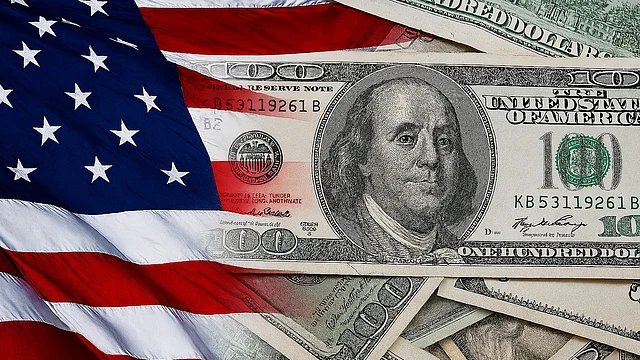
The US dollar plunged 10% in the first half of 2025, marking its worst half-yearly performance since 1973. Lower US interest rates and rising confidence in emerging markets drove the decline, impacting global trade dynamics. India’s rupee appreciated slightly to 85.90 against the dollar, supported by $20 billion in foreign bond purchases after India’s inclusion in a global debt index. However, equity outflows tempered gains. The dollar’s fall could boost Indian exports but raise import costs, particularly for oil. Global markets are adjusting to this shift, with implications for trade and investment strategies worldwide.
The dollar’s decline reflects broader economic shifts, including the Federal Reserve’s decision to cut interest rates, reducing the currency’s appeal. Emerging markets, including India, have benefited from increased investor interest, with foreign inflows strengthening local currencies. The Indian rupee’s 0.3% daily loss on 30 June 2025 was modest compared to its Asian peers, like the Taiwan dollar (up 13% year-to-date). India’s inclusion in global bond indices has attracted significant capital, boosting bond prices and supporting economic stability. The RBI’s 50-basis-point repo rate cut to 5.5% further enhances liquidity, aiding domestic demand.
For India, the weaker dollar presents opportunities and challenges. Exporters benefit from competitive pricing in global markets, particularly in sectors like textiles and IT services. However, higher import costs for oil and commodities could strain India’s trade balance, given its reliance on energy imports. The World Bank’s revised FY26 growth forecast for India at 6.3% reflects cautious optimism amid global slowdowns. The dollar’s decline also affects foreign investors, who pulled $0.5 billion from Indian equities and bonds in Q1 FY26, highlighting market volatility. Stable monetary policies could mitigate these risks.
Globally, the dollar’s fall has reshaped trade dynamics. US exports have become more competitive, but import-dependent economies face cost pressures. In India, the real estate sector welcomed the RBI’s rate cut, expecting increased housing demand. However, global trade barriers and policy uncertainties, such as a proposed US tax-cutting bill, could further influence currency markets. The dollar’s trajectory depends on US monetary policy and global economic recovery. For India, maintaining export momentum and managing import costs will be critical to capitalising on the dollar’s weakened position.
The decline also highlights India’s growing role in global finance. The country’s bond market has gained prominence, with foreign inflows supporting fiscal stability. However, weak portfolio inflows and external investment deficits have pressured the rupee. The RBI’s projection of 6.5% GDP growth for FY26 suggests resilience, but subdued exports and slower investments pose challenges. The dollar’s fall could encourage Indian firms to expand globally, leveraging lower export costs. Conversely, industries reliant on US imports must adapt to higher costs, potentially passing them onto consumers.
Challenges remain for India’s economy in this context. The core sector growth slipped to 0.7% in May 2025, a nine-month low, driven by declines in fertiliser and electricity output. This could drag industrial production, with IIP growth projected at 1.5-2.5%. The dollar’s decline may exacerbate cost pressures in these sectors, requiring strategic adjustments. India’s focus on infrastructure, evidenced by cement and steel growth, provides some cushion. The automotive sector, facing a 6% sales drop in June, must navigate these economic shifts, with export-focused companies like Hyundai benefiting from the dollar’s fall.
The US dollar’s 10% drop in 2025 signals a pivotal moment for global markets. For India, it offers export opportunities but challenges import-dependent sectors. The RBI’s proactive policies and India’s bond market appeal provide stability, but global uncertainties require careful monitoring. The dollar’s future will shape trade and investment strategies, with India well-positioned to leverage its growing economic influence if it manages domestic challenges effectively.
Source :Outlook Business
What's Your Reaction?