Global Plastics Treaty Talks Resume Amid Production Disputes
Geneva hosts UN talks to finalise a Global Plastics Treaty, with 190 nations debating production caps and chemical bans to combat rising plastic pollution.
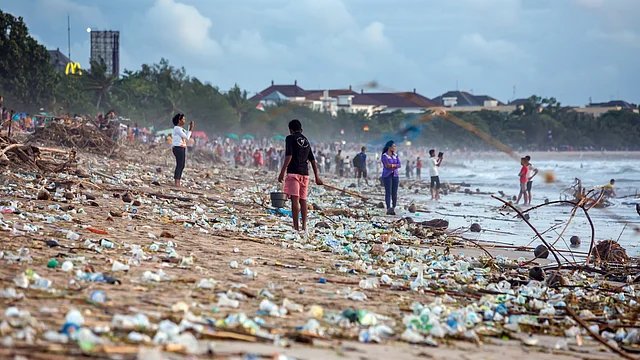
Over 190 countries convened in Geneva on 5 August 2025 to negotiate a global treaty to combat plastic pollution, with tensions persisting over production caps.
The fifth session of the United Nations’ Intergovernmental Negotiating Committee (INC-5) began in Geneva to draft a legally binding Global Plastics Treaty. The talks, following stalled discussions in Busan, South Korea, in December 2024, aim to address plastic pollution across its lifecycle, from production to disposal. Disagreements over capping plastic production and banning toxic chemicals remain key obstacles, with the current 22-page draft containing over 370 unresolved points.
Plastic production has doubled since 2000, reaching 460 million tonnes in 2019, and is projected to hit 736 million tonnes by 2040 without intervention. Plastics pose severe threats to ecosystems, marine life, and human health, with economic losses exceeding $1.5 trillion annually. The treaty, if adopted by late 2025, would be the most significant environmental agreement since the 2015 Paris Accord. However, nations differ on approaches, with some pushing for production limits and others focusing on waste management.
Scientists highlight plastics’ role in health issues, including respiratory and reproductive disorders, due to toxic additives. Marine pollution, with 8 million tonnes of plastic entering oceans annually, threatens biodiversity. Developing nations, including India, advocate for financial and technical support to transition to sustainable practices, while oil-producing countries resist production caps due to economic reliance on petrochemicals.
The talks face pressure to balance environmental urgency with economic realities. The 2022 Nairobi resolution set a 2024 deadline, now extended, reflecting the complexity of global consensus. Public sentiment on X shows frustration over delays, with calls for stronger action. Success hinges on resolving contentious issues like chemical bans and ensuring equitable support for poorer nations.
In conclusion, the Geneva talks are a critical opportunity to address the global plastic crisis. Overcoming divisions on production and financing will determine the treaty’s effectiveness in safeguarding ecosystems and human health.
Source: Outlook Business
What's Your Reaction?