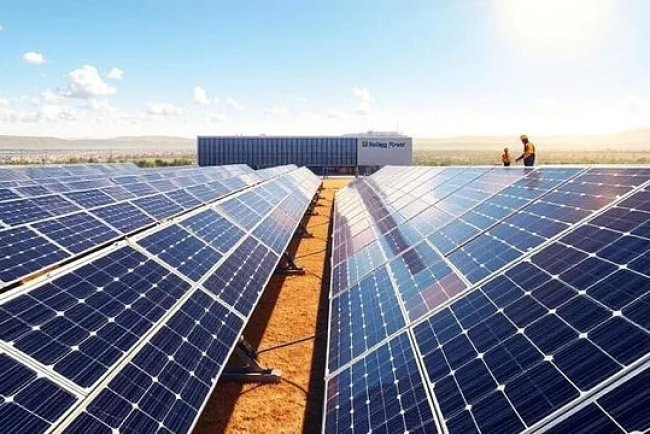
India is focusing on a development strategy that combines economic growth, climate resilience and sustainability to ensure long-term stability and inclusive progress.
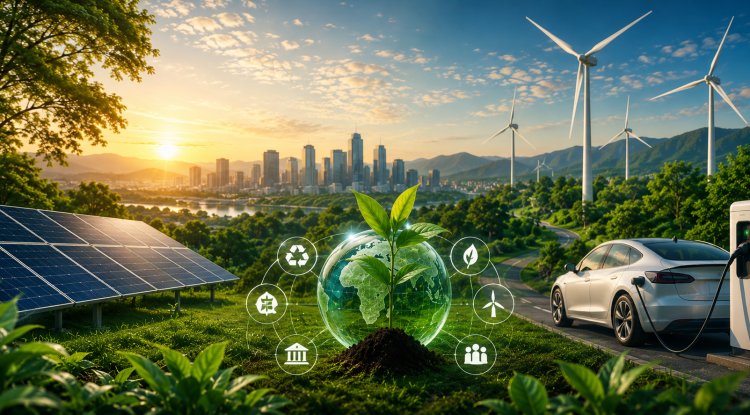
As world economies continue to face uncertainties, India is stepping up its focus on a development process that combines robust growth, resilience and sustainability, policy makers and experts observe. The strategy seeks to make sure the pace of expansion does not exceed the well-being of society or the stability of the environment.
India's economic performance has stayed strong with robust domestic demand, investments in infrastructure and increasing engagement in international trade. But leaders also stress that resilience in light of shocks like climate change, disruption of food supplies, and future volatility in the international financial market has to be factored in alongside that growth. This dual focus highlights a broader understanding of the need for sustainable development to be planned over the long term and to have an integrated policy approach.
The important principle of this strategy is climate action. Some ambitious targets have already been established by India with a strong focus on renewable energy, which particularly concerns the increase in capacity of solar and wind power plants and improvements in energy efficiency across different industries. While moving towards its developmental objectives, India is expected to allocate significant funds into investments in eco-friendly technologies, e-mobility, and sustainable urban planning in order to reduce carbon emissions and increase energy security. Climate resilience measures, which include increasing flood resilience of infrastructure and adaptation of agriculture to climate change, are especially important.
National financial resilience is also a key focus. Improving investor certainty and absorbing shocks are considered important through strengthening public finances, deepening domestic credit markets and risk management mechanisms. These initiatives will be supported by structural changes in the banking sector, digital finance and the broader industry.
Sustainable social dimension is also central. Ensuring access to quality healthcare and education, as well as minimizing disparities, remains important, although policy-makers have pointed out that inclusive growth is critical for the stability of the society in the long run.
India's development approach of ‘growth, resilience and sustainability’ represents the maturing of an integrated development paradigm, experts say. The country aims to have a development trajectory that would benefit both current and future generations by acknowledging future risks and building sustainability into the planning process.
What's Your Reaction?