A new industry report says workforce development, safer workplaces, resource-efficient manufacturing and supply chain transparency will be important for strengthening India's textile exports by 2030.
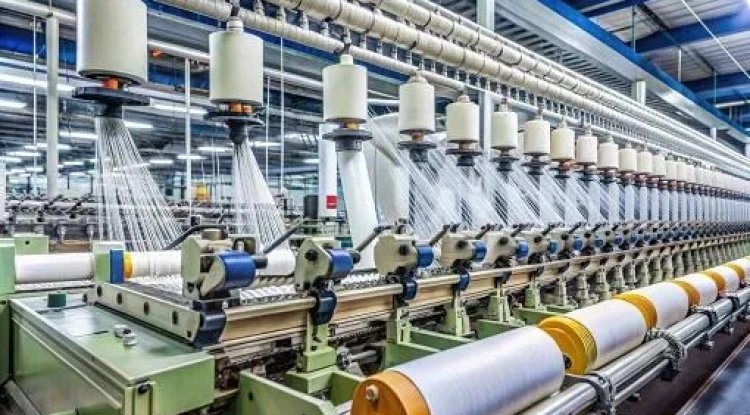
India's textile and apparel industry needs to increase worker training, improve workplace practices and strengthen supply chain documentation to meet changing demands in export markets, according to the India Textiles & Apparel CXO Blueprint 2030 report prepared by the Clothing Manufacturers Association of India (CMAI) and the Global Alliance for Textile Sustainability (GATS).
The report says expanding production alone will not be enough for the sector. It identifies worker training, product quality, efficient use of water and energy, digital systems and compliance with buyer requirements as key areas for manufacturers.
According to the report, textile factories will require workers trained in operating modern machinery, quality inspection, digital systems and production processes linked to sustainability standards. The report says investment in new equipment should be accompanied by worker training.
The report also recommends reducing energy and water consumption, improving chemical management and upgrading production processes. According to the report, common testing facilities and treatment infrastructure can help micro, small and medium enterprises (MSMEs) adopt these measures at lower cost.
The report says overseas buyers are seeking more information on where products are manufactured, how raw materials are sourced and how supply chains operate. It notes that traceability and documentation are becoming more important for exporters.
According to the report, many MSMEs need better access to technology, finance, digital systems and training to meet export requirements.
The report identifies five focus areas for the textile sector: circularity, traceability, resource-efficient manufacturing, product diversification and technology. It says these areas will require support from industry bodies, government agencies and technology providers, along with investment by manufacturers across the textile value chain.
What's Your Reaction?