India’s Biosphere Reserves: Where Nature and People Grow Together
India’s biosphere reserves showcase how people and nature can live in balance, protecting biodiversity while supporting sustainable community development.
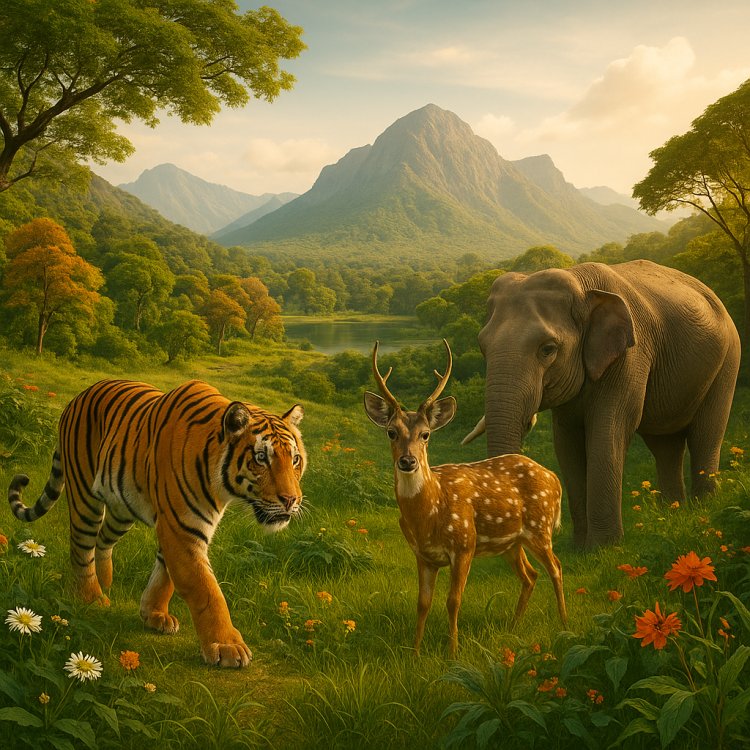
India’s biosphere reserves show harmony between nature and people, showing how nature and people can live together in balance. These areas work as a real-life example of how to reserve environment, use natural resources efficiently and social well-being.
The country has 18 Biosphere Reserves that cover 91,425 square kilometres and 13 of them are recognised by UNESCO. This year, the cold desert biosphere reserve in Himachal Pradesh highlights India’s growing global role in conservation. According to the report by Food and Agriculture Organization’s Global Forest Resources Assessment 2025, India ranks 9th in the world for total forest area and third for annual forest growth. The government has also increased its biodiversity conservation budget from ₹5 crore to ₹10 crore in which shows strong commitment towards protecting nature and managing ecosystems sustainably.
Biosphere Reserves are areas chosen by the government to protect plants, animals and natural resources along with helping people live sustainability. Described as “learning places for sustainable development,” they are used to study how humans and nature can exist together in balance. These areas help find ways to manage land, water and wildlife responsibly, prevention of conflicts over natural resources and use them without harming the environment.
These reserves are chosen by national governments and are managed by the states where they are located. They are living examples of how human beings and nature can coexist while meeting each other’s needs. More than 260 million people around the world live in biosphere reserves, which together cover more than 7 million square kilometres which is equal to the size of Australia.
Biosphere Reserves are internationally recognised under UNESCO’s Man and Biosphere Programme, which includes some of the world’s most important natural areas. The programme focuses on protecting biodiversity, promoting research, and creating examples of sustainable development. It brings together natural and social sciences to improve people’s lives while protecting nature, promoting growth that is both ecofriendly and socially fair.
The Man and Biosphere Programme studies how human and natural events affect the environment and how these change affect people and nature especially with climate change. It also helps countries to share ideas and educate people about protecting the environment. The World Network of Biosphere Reserves connects different countries to work together and learn from each other and share best practices among regions.
India has 18 Biosphere Reserves spread across mountains, forests, coasts, and islands which reflects the India’s rich natural variety and its dedication to conserving biodiversity while supporting local communities. The Biosphere Reserve Division of the Ministry of Environment, Forest, and Climate Change manages a Centrally Sponsored Scheme for Biodiversity Conservation under the broader Conservation of Natural Resources and Ecosystems programme. The funding for this programme is shared between the central and the state governments and the sharing model is 60:40 and 90:10 for Northeastern and Himalayan states.
This programme gives financial help for conservation and development. It mainly focuses on local communities living in and around Biosphere Reserves. The goal is to help them find other sources of income, promote eco-development, and sustainable resource management to reduce pressure on core biodiversity areas. Special attention is given to the surrounding areas of the reserves to reduce human pressure on forests and wildlife ensuring both the environment and local communities can grow for long time.
India’s Biosphere Reserves not only protect biodiversity but also show how people can live and grow while caring for the environment. They connect conservation with improving the lives of local communities. They work alongside national programmes like Project Tiger, Project Elephant, the Green India Mission, and the National Biodiversity Action Plan, all of which targets to protect wildlife, restore forests and create sustainable livelihood opportunities for people.
The establishment of Biosphere Reserves in India represents a long-term conservation-development vision coinciding with the global goals provided under the UNESCO Man and Biosphere Programme. Such reserves have enhanced climate resilience, ensured biodiversity conservation, and contributed to the livelihoods of forest-dwelling people. They have also supported quantifiable improvements in forest health, making India a leader in biodiversity management.
Continuous monitoring, community participation, and bringing more areas under the ambit of reserves have further fortified India's position in the international conservation perspective. Reserves thus became field laboratories in which sustainable practices were demonstrated and put into operation to maintain ecological balance and provide improved socio-economic conditions.
India has several national programmes that support the goals of biosphere reserves. Project tiger started in 1973 protects tigers and their forests. Project Elephant aims to save elephants and reducing clashes between people and elephants and taking care of them. The Integrated Development of Wildlife Habitats Scheme provides financial and technical help to states for the protection of wildlife. The National Biodiversity Action Plan manages the use of natural resources. Eco-Sensitive Zones are areas around national parks and sanctuaries that reduce human impact, and the Green India Mission aims to increase forest cover, protect biodiversity and fight climate change.
India's celebration of the International Day for Biosphere Reserves therefore marks the continuity of its commitment to the protection of nature and the empowerment of people. Biosphere reserves represent a means whereby the conservation of ecology and human prosperity go hand in hand. Backed by national policies and with international cooperation through UNESCO's Man and Biosphere Programme, India is continuing to strengthen its conservation regime. With increasing numbers of reserves, expanding forest cover, and active participation by local communities, it stands as an international example of sustainable living-a country that is ensuring its natural heritage and human development go hand in hand into the future.
What's Your Reaction?