India’s Tea Output Falls Amid Climate Challenges
India’s tea production fell 9% in June 2025 to 133.5 million kg due to extreme heat, rainfall deficits, and pests, threatening livelihoods and requiring climate adaptation.
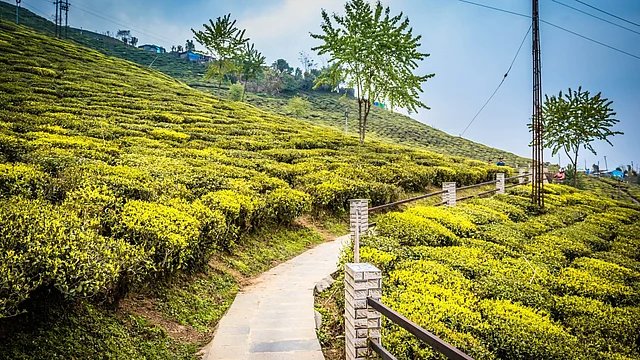
India’s tea production dropped 9% in June 2025 to 133.5 million kg, hit by extreme weather and pests, threatening livelihoods and the industry’s long-term viability.
Tea production in India, a major global supplier, fell to 133.5 million kg in June 2025, down from 146.72 million kg the previous year. The decline, reported by the Tea Board, affected key regions like Assam and West Bengal, where output dropped to 112.51 million kg, and South India, which produced 20.99 million kg. Small growers, contributing 68.28 million kg, were hit hardest due to limited resources to combat adverse conditions.
Extreme heat, a 50% rainfall deficit, and pest attacks disrupted harvest cycles. In Assam’s Dibrugarh, temperatures above 36°C blackened tea leaves, reducing yields. July’s 30–40% rainfall shortage signals further declines. The Indian Tea Association highlighted that erratic weather, linked to climate change, is creating unsuitable conditions for tea cultivation. A 2024 FAO report warns that rising temperatures and unpredictable rainfall could cut Northeast India’s tea yields by up to 40% by 2050.
The decline threatens the livelihoods of millions, particularly small growers in Assam and Darjeeling, known for premium varieties. Tea exports, valued at £700 million annually, face risks as quality and output drop. Adaptation measures, such as drought-resistant varieties and improved irrigation, are being explored, but high costs limit adoption. Government subsidies and research into climate-resilient farming are critical to sustaining the industry.
Pests, thriving in warmer conditions, further exacerbate losses. Integrated pest management and organic farming could help, but scaling these practices requires investment. The industry is also exploring shade trees and water conservation to mitigate heat stress, though results will take years.
In conclusion, India’s tea sector faces a crisis from climate-driven weather and pests. Urgent adaptation and government support are essential to protect yields, livelihoods, and the country’s position in the global tea market.
Source: Outlook Business
What's Your Reaction?