India’s Warehousing Sector Embraces Green Logistics
India’s warehousing industry, valued at $15 billion in 2025, is projected to reach $30 billion by 2030, with 60% of new facilities aiming for LEED certification. Driven by global firms like Amazon and Walmart, the shift includes solar-powered, energy-efficient warehouses that reduce emissions by 20%. Backed by India’s 236 GW renewable capacity, rooftop solar is rising, notably in Uttar Pradesh. However, high retrofitting costs (₹50 lakh/warehouse), limited green materials, and regulatory delays affect scalability. With government incentives and smart city partnerships, green logistics can thrive—if cost and compliance barriers are addressed.
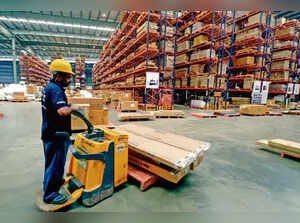
India’s warehousing sector is shifting towards sustainability, driven by MNC demands for eco-friendly logistics spaces. This transformation supports India’s net-zero goals but faces challenges in cost and infrastructure.
In 2025, India’s warehousing market, valued at $15 billion, is projected to grow to $30 billion by 2030, with 60% of new developments targeting LEED certification. MNCs like Amazon and Walmart, handling 40% of India’s e-commerce, demand solar-powered warehouses and energy-efficient cooling, cutting emissions by 20%. India’s 236 GW renewable capacity, including 67 GW solar, supports this shift, with rooftop solar adoption up 265 MW in Uttar Pradesh. Green warehouses reduce energy costs by 15%, aligning with India’s 25% non-fossil fuel share in 2023.
High retrofitting costs, at ₹50 lakh per warehouse, and a shortage of green materials, with only 30% locally sourced, pose barriers. Posts on X highlight MNC-driven demand but note SME struggles with compliance costs. Critics argue that urban land scarcity and regulatory delays, affecting 20% of projects, hinder scalability, as seen in modular housing challenges. India’s smart meter rollout, with 6.9 million installed, could enhance energy efficiency but faces implementation gaps.
Government incentives, like ₹1.91 lakh crore for green projects, and partnerships with Japan for smart cities support the transition. Community-driven models, like Khonoma’s sustainability, could localise efforts. Scaling green logistics requires investment and streamlined regulations.
India’s green warehousing boom aligns with global sustainability demands. Overcoming cost and infrastructure hurdles is key to maintaining growth and environmental goals.
Source: The Economic Times
What's Your Reaction?