Microsoft-Terradot Deal Boosts Carbon Removal Science
Microsoft partners with Terradot to remove CO₂ using rock weathering, boosting science and scaling in Brazil.
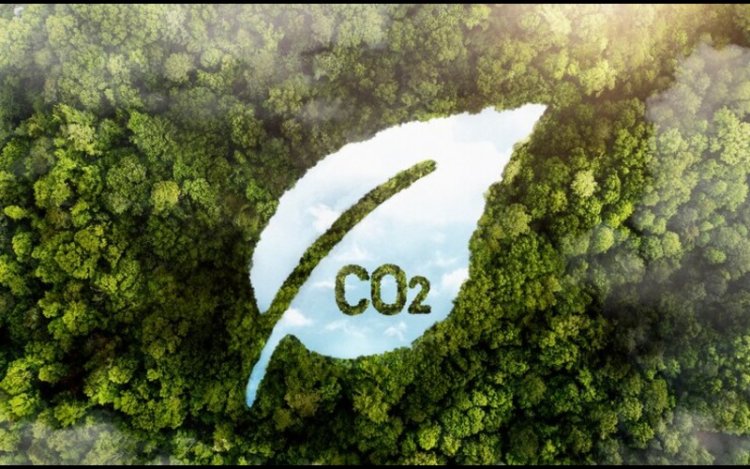
In a major step forward for climate technology and carbon removal efforts, Microsoft has entered into a multi-year agreement with climate tech company Terradot to remove 12,000 tonnes of carbon dioxide between 2026 and 2029 through Enhanced Rock Weathering (ERW). This alliance represents a milestone not just for carbon offsetting but also for science, as the agreement will pay for what is being described as the most advanced monitoring program ever done at a commercial ERW facility.
Terradot, with its science-driven method to carbon removal, is at the forefront of taking ERW from a promising idea to a scalable climate solution. The deal with Microsoft extends much farther than buying carbon credits—funding cutting-edge scientific studies to improve the accuracy and credibility of measurement, reporting, and verification (MRV) practices in ERW techniques. Terradot's CEO, James Kanoff, underscored the greater significance of the partnership, explaining that Microsoft's investment will contribute to upgrading the underlying science of ERW, establishing industry-wide confidence, and enabling long-term carbon reduction targets.
The agreement also comes on the heels of Terradot's highly successful $54 million Series A funding round, which featured investment from Microsoft's own Climate Innovation Fund. With further investment from industry giants such as Google and Frontier—who collectively signed contracts for almost 300,000 tonnes of carbon removal in 2024—Terradot is quickly taking its place at the vanguard of global carbon removal.
For Brian Marrs, Microsoft's Senior Director of Energy & Carbon Removal, the partnership is in keeping with the firm's mission of seeking out groundbreaking and scalable solutions to climate. Marrs commented that ERW has potential as not just an affordable and scalable carbon removal mechanism but also a means of soil health improvement. By incorporating alkaline rocks into the soil of farmers, there's a two-for-one: sequestering atmospheric carbon and improving soil for farmers, a win-win situation.
The Microsoft-supported effort will also be a substantial validation campaign for ERW on commercial scale. Research involves high-density soil sampling, sophisticated watershed monitoring, and comprehensive carbon cycle modeling—much more than existing registry requirements. Professor Scott Fendorf of Stanford University, a member of Terradot's original science team, underscored that the data obtained will be pivotal in making ERW a viable and verifiable carbon sequestration method. In addition, it will assist Terradot in creating low-cost, scalable MRV systems, which are vital to taking ERW to scale to respond to growing demand.
Terradot's operations in Brazil already are showing what commercial-scale ERW can do. The firm has used virtually 50,000 tonnes of crushed stone on 2,000 hectares of land, with the aim of producing its first validated carbon credits by late 2025. Brazil offers a favorable platform for the deployment of ERW due to its tropical soil conditions, low-carbon power grid, and infrastructure for agriculture. The fact that farmland is close to rock quarries—less than 50 kilometers in most instances—also increases operational efficiency and minimizes the carbon footprint of logistics.
Julia Marisa Sekula, Terradot's Director of Brazil Operations and Chief Financial Officer, noted the strategic benefits of the area. She noted that Terradot's Brazilian projects not only sequester carbon but also provide tangible agronomic benefits, including enhanced soil pH and increased access to necessary micronutrients. These incentives encourage farmers to join, matching climate objectives with agricultural productivity and establishing a sustainable model for global deployment.
Microsoft and Terradot's collaboration is an unmistakable indication of increased momentum for carbon removal technologies. It is evidence of a changing mindset among companies when it comes to climate accountability—transitioning from offsetting emissions to making an active investment in the science and infrastructure that removes carbon from the air. With ERW increasingly recognized as a high-potential pathway for long-term carbon storage, such efforts might prove to be a turning point towards achieving global climate goals.
Through marrying scientific discipline with commercial-scale deployment, the Microsoft-Terradot partnership is establishing a new benchmark for the carbon removal sector. As it continues to grow and operations spread, the globe will be keeping a close eye on how ERW develops as a viable climate tech solution and becomes a building block of international carbon reduction policies.
What's Your Reaction?