MNRE Prepares National Policy on Geothermal Energy—India’s Next Clean Power Frontier
India begins drafting its first national geothermal energy policy, aiming to tap deep-earth heat for 10 GW by 2040 and diversify its clean energy basket beyond solar and wind.
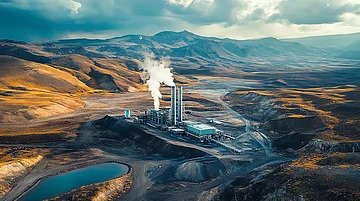
India Prepares Its First Geothermal Power Policy
India is on the verge of a major clean energy breakthrough as the Ministry of New and Renewable Energy (MNRE) prepares to launch the country’s first geothermal power policy. The initiative seeks to develop India’s six geothermal zones — from Gujarat’s Cambay Graben to the Himalayan region — for both electricity generation and direct heat applications.
Pilot Projects for Direct Heat Applications
Direct-use operations in gyms, dairy facilities, and food-drying units are already being piloted. Deep-drilling projects for electricity generation will receive risk-mitigation subsidies and special concessions. This dual approach aims to accelerate the adoption of geothermal energy across industrial and commercial sectors.
Ambitious Targets and Testbeds
MNRE’s draft policy is expected to:
-
Promote comprehensive research and development
-
Encourage public-private partnerships
-
Set an ambitious goal of 10 GW geothermal capacity by 2040
Large-scale pilot plants in Ladakh, Gujarat, and Andhra Pradesh are slated to serve as the first testbeds, demonstrating the viability of geothermal energy for large-scale deployment.
Benefits of Geothermal Energy
Geothermal power offers:
-
Round-the-clock, carbon-free electricity
-
Complementary support to variable solar and wind resources
-
Enhanced grid stability and reduced reliance on fossil fuels
With effective policy support, India could unlock a new phase in its clean energy transition, create new jobs, and reduce import dependence on coal and gas.
What's Your Reaction?