A new UN assessment warns that climate change, pollution and biodiversity loss are placing unprecedented pressure on the world's oceans, threatening marine ecosystems and human wellbeing.
A new assessment carried out by the UN, the world's oceans are under threat due to increased stress caused by issues such as climate change, pollution, loss of biodiversity, as well as human intervention. This report was released to mark the World Oceans Day, and Third World Ocean Assessment is one of the most comprehensive studies that has been conducted regarding the status of the world’s oceans in relation to their environmental, economic and social status.
UN Secretary-General António Guterres said the assessment documents “a deepening crisis driven by climate change, overfishing, biodiversity loss and marine pollution.” He added, “We cannot keep treating the ocean as limitless. We must build a new relationship with the ocean: Grounded in science. Framed by international law. And built on shared responsibility – across nations, sectors, and generations.”
According to the report, the ocean is experiencing severe and accelerating stress because of issues like climate change, pollution, and other human activities. In fact, all these issues affect one another and play a key role in causing loss in biodiversity and making ecosystems vulnerable.
It is noted that the amount of ocean heat increase between 1955 and the present has seen a rise of almost 16% after 2018. In addition, sea level rise continues to accelerate, rising from under 2mm per year prior to 2015 to 4.3mm per year in 2023.
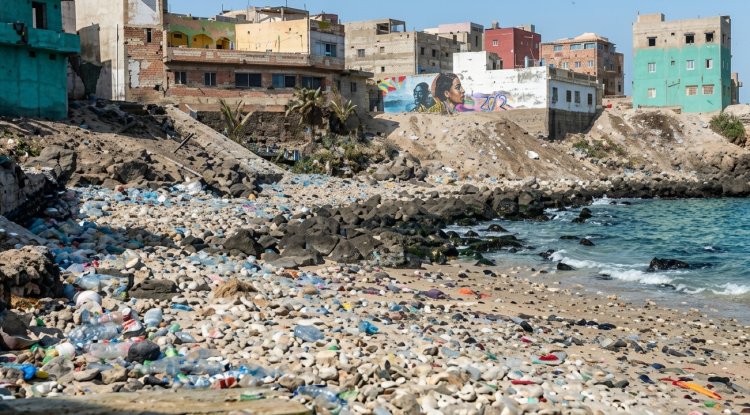
Plastic pollution continues to pose a problem. The figures in the report indicate that there is an annual flow of 52.1 million metric tonnes of plastics into the sea, leading to about 24.4 trillion microplastic particles. It should be noted that microplastics impact on 4,000 marine species.
The assessment also highlights significant gaps in scientific understanding of the ocean. As of 2025, only 27.3% of the seafloor had been mapped, leaving large areas of the deep ocean largely unexplored and poorly understood.
Ocean Health Linked to Human Wellbeing
The report stresses that there are several links between the health of the oceans and food security, livelihoods, economic development, and culture. The artisanal fisheries sector offers jobs for more than 60 million people globally and supplies more than 25 million tons of fish annually. Despite this, many indigenous groups residing in coastal regions continue to face barriers.
The report points out that governance mechanisms that include Indigenous and local knowledge tend to result in positive social and environmental effects. The significance of gender equality and inclusiveness in ocean governance is also pointed out.
Health problems related to ocean pollution are becoming more common. There are chemical pollutants, micro-plastic pollution, algae blooms, and ocean debris that affect marine ecosystems and humans via food, recreation, and contact.
The report says that the international cooperation on ocean protection has improved over the years. Most of the countries are now working together through agreements and treaties concerning biodiversity protection and sustainable resource management.
At the same time, it also points out that currently, there is no proper coordination between various regional and sectoral programs that make the process of governance fragmentary and ineffective. As the groups and programmes do not always coordinate with each other, it results in conflicts and ocean management becomes less effective.
Overall, the findings show that although science and international cooperation have progressed greatly, much more action is required to address the increasing threats facing the world's oceans and nd ensure their long-term health and sustainability.
What's Your Reaction?