Nigeria battles rising plastic pollution in agriculture, urging sustainable alternatives and improved waste management.
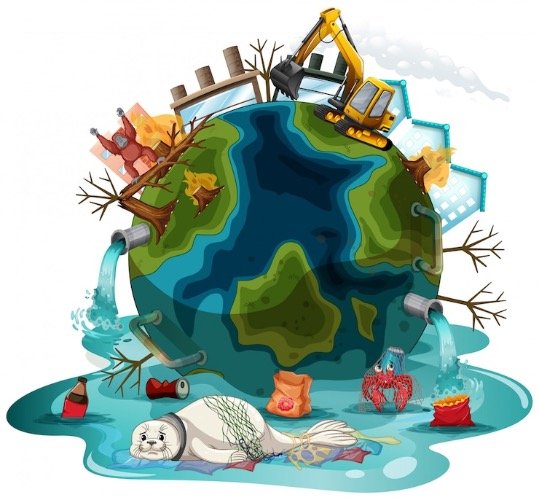
The world marked World Environment Day with the theme "Ending Plastic Pollution," a call that brings us very close to the present environmental threat caused by plastic pollution. While plastics are unmatched in convenience and utility across all industries, their extensive application in agriculture has become a source of growing concern as a result of the dangerous effects on the environment and people's health caused by plastic pollution.
Plastics are part of contemporary life because they are resistant, flexible, and cost-effective. Plastics are used extensively in such fields as packaging, construction, medicine, and above all, agriculture, where they have replaced conventional materials like glass and paper. Plastics have transformed operations in crop, animal, and aquatic farming in agriculture. An estimated 12.5 million tonnes of plastic are consumed in global plant and animal production by the United Nations' Food and Agriculture Organisation.
In Nigeria, while no detailed statistics on the use of plastics in agriculture exist, the nation produces an estimated 2.5 million tonnes of plastic wastes annually. Most of this is from agricultural pursuits. From tarpaulin bags and plastic basins to polyethylene bags and jerry cans, plastic materials are widely used by local agro-marketers and farmers.
Utilization of plastics in agriculture cuts across several sub-sectors. Plastics are used in agriculture as weed suppressors, soil temperature regulators, and water retainers. Plastics are used in irrigation tubes, seed trays, pesticide and fertilizer containers, and greenhouses covers. More importantly, the application of microplastics—particles of less than 5 millimeters in diameter—coated on pesticides and fertilizers to be used in the controlled release of chemicals is increasingly being adopted. These microplastics are also used to coat seeds for improved storage and to manufacture soil conditioners that enhance soil drainage.
Plastic items are widely used in animal husbandry in pig and poultry farming, such as for shelters, storage of feed, ear tags, feeding equipment, and artificial insemination equipment. The aquaculture and fisheries sectors also make extensive use of plastic and use them to produce fishing nets, feed sacks, cage nets, and mobile hatcheries. Plastics are also used by the forestry sector in tree shelters and timber logging equipment. Even soilless farm systems like hydroponics and aeroponics are dependent on plastic components.
Among the most common plastics used in agriculture are polyethylene, applied on mulch film and crop cover, polyvinyl chloride or PVC, applied in irrigation tubing, polypropylene, applied in packaging, and polystyrene, applied in trays and soil amendments. Although the materials have been able to register staggering increases in agricultural output, they also have regrettable long-term effects. The plastics eventually decompose into micro- and nano-plastics, which get into the soil and water sources. They remove lethal pollutants and heavy metals like mercury and lead, which also undermine soil quality, impact plant growth, and decrease yields.
These pollutants do not stay in the soil. They are washed into the water and food eaten by animals and humans. Some of these chemicals emitted from such degrading plastics were found in research to be endocrine disruptors and cause endocrine diseases and reproductive issues. Chronic exposure also causes long-standing kidney diseases, cardiovascular diseases such as hypertension and stroke, neurodegenerative diseases, and some cancers.
Though plastics are becoming more common in agriculture, recycling is still abysmally low. For Nigeria, only below 15 percent of plastic waste produced every year is currently being recycled. The rest ends up in landfills, illegal dump sites, and water bodies like lakes, streams, and oceans. Such careless dumping has an impact on ecosystems as well as causes public health risks.
This is an issue that calls for more than just awareness; it calls for a system overhaul. Effective regulation and enforcement of waste management protocols within the farm industry are called for. Ineffective waste management systems, as well as farmers', manufacturers', and consumers' indifference to the problem, exacerbate the issue. Governmental policies need to push plastic producers to be responsible and produce recyclable and biodegradable alternatives.
Agro-chemical manufacturers and commodity producers of plastic-packed items are also obligated to do so by offering customers incentives to return used plastic material. It can be cleaned, reused, or recycled. More recycling facilities and involving farmers and homes in formal recycling schemes are needed.
Farm local governments and leaders must lead campaigns encouraging the "six Rs" of reducing plastic: Rethink, Refuse, Reduce, Reuse, Repair, and Recycle. This involves opting for alternatives such as cloth or bamboo instead of plastic, minimizing plastic consumption, repairing reusable products, and buying goods made from recycled items. These actions, though minute in individual aspects, can make a massive difference in agricultural processes and plastic pollution.
With continued advancement in agriculture, sustainable practice is needed. Encouraging the use of recycled and biodegradable products along the agri-food value chain can potentially reduce the contribution to the environment while maintaining public health. The world must act urgently to stop plastic pollution—starting from the soil that gives us food.
What's Your Reaction?