Plastic Waste Crisis Escalates in Himalayas: 71% Non-Recyclable, Says 2024 THC Report
The Himalayan Cleanup 2024 report reveals that 71% of plastic waste in India's Himalayan states is non-recyclable, mostly from food packaging. Report highlights top polluting brands and calls for urgent action.
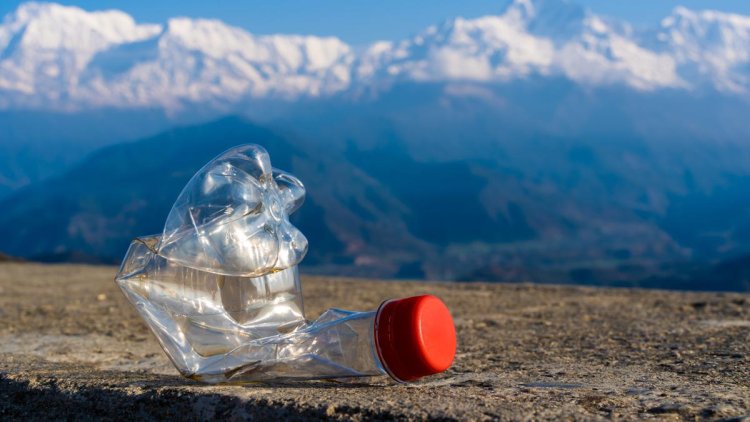
The Himalayan Cleanup (THC) 2024 report has raised fresh concerns about plastic pollution in India's Himalayan region, revealing that 71% of the collected plastic waste is non-recyclable. Conducted by environmental group Down to Earth and led by researcher Vivek Mishra, the study analyzed plastic waste across 450 sites in nine Indian states and Union territories, with contributions from Nepal and Bhutan.
According to the findings, over 80% of the waste in the ecologically fragile Himalayan zone comes from single-use plastic used in food and beverage packaging. Only 18.5% of the plastic waste consists of recyclable materials like polyethylene terephthalate (PET), while the rest lacks alternative market value and is often left unprocessed.
Since 2018, THC audits have covered regions including Jammu and Kashmir, Ladakh, Sikkim, Darjeeling, and Arunachal Pradesh. The 2024 audit also included brand-level analysis, identifying major polluters such as PepsiCo, Parle, CG Group, Coca-Cola, and Nestlé, whose packaging accounted for a significant share of the non-recyclable waste.
Sikkim emerged as the most proactive state in terms of waste collection, recording 53,814 items from 86 sites. Among them, 87% (46,908 pieces) were plastic, with 79% classified as non-recyclable. In Ladakh, 93.3% of the 11,975 collected waste pieces were plastic, with 78.3% of it non-recyclable. In Uttarakhand, 4,554 out of 5,937 waste pieces were plastic, with a high 96.6% of it linked to food packaging. Nagaland also reported 90.4% plastic waste, of which 81.2% was non-recyclable.
The THC report noted a misleading narrative around recycling, particularly in hilly regions such as Sikkim, Ladakh, and Darjeeling, where infrastructure challenges make recycling impractical. Food packaging was consistently the dominant source of waste, followed by materials from smoking products, personal care, and household items.
The analysis showed that 92% of the plastic waste originated from food-related packaging, and 6.3% was from smoking and gutkha products. Recyclable plastics formed a minority, with PET at 18.5% and HDPE/LDPE at just 6.4%. A significant portion of the waste came from rural and forest areas, pointing to the widespread reach of single-use plastic pollution.
In West Bengal’s Darjeeling and Kalimpong districts, 36,180 waste pieces were audited, and 95.5% were plastic. About 72% of this was non-recyclable. In contrast, Arunachal Pradesh had the lowest plastic share, with 2,705 pieces recorded at a single site, only 29.4% of which were plastic.
Brand audits showed that multinational corporations, particularly those in food and beverage sectors, dominated the list of polluters. These included top names like PepsiCo, Parle, Coca-Cola, CG Group, and Nestlé. Local and regional snack brands were also significant contributors due to their high volume of single-use packaging.
In states like Manipur, Himachal Pradesh, and Mizoram, although fewer sites were surveyed, high plastic content was still noted, with up to 85% of waste comprising non-recyclable packaging. This indicates a consistent trend of poor plastic waste management and limited recycling capacity across the Himalayan region.
The report underscores the need for policy-level changes focusing on reducing the production and use of non-recyclable plastics. It calls for holding corporations accountable and improving infrastructure for plastic collection and recycling, particularly in ecologically sensitive mountain areas.
Source: Down to Earth, The Himalayan Cleanup (THC) 2024 report
What's Your Reaction?

















