Pragmatic Semiconductor Introduces Sustainable Flexible Chips for NFC Connectivity
Pragmatic Semiconductor has introduced sustainable flexible NFC chips designed to replace traditional silicon-based semiconductors. These ultra-thin chips offer cost-effective and eco-friendly solutions for industries such as smart packaging, authentication, and IoT.
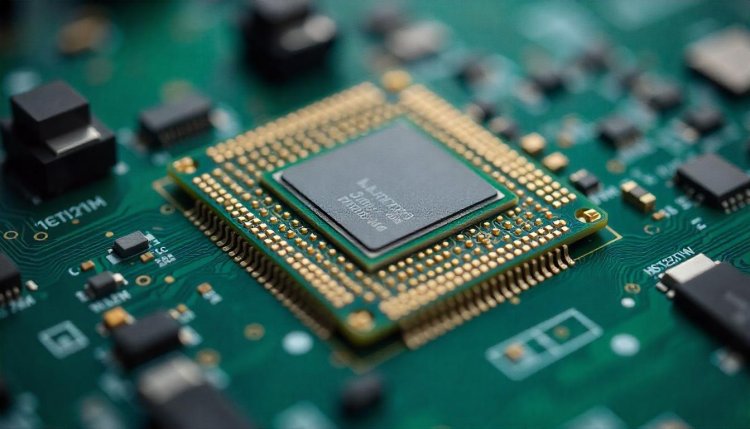
Pragmatic Semiconductor, a UK-based innovator in semiconductor technology, has announced the launch of its new flexible integrated circuits (FlexICs) aimed at transforming near-field communication (NFC) connectivity. These chips offer a cost-effective and environmentally sustainable alternative to traditional silicon-based chips, catering to industries such as smart packaging, authentication, and the Internet of Things (IoT).
Pragmatic Semiconductor's new NFC FlexICs are designed to be ultra-thin, flexible, and produced with a significantly lower carbon footprint than conventional chips. Unlike rigid silicon-based semiconductors, these flexible chips can be embedded into a variety of materials, making them ideal for applications in smart packaging, secure product authentication, and inventory tracking.
The company has positioned these chips as a sustainable solution for brands looking to enhance their digital engagement and supply chain efficiency. The production process of FlexICs reduces electronic waste and supports the growing demand for eco-friendly technology in consumer goods, retail, and logistics. This innovation aligns with the global shift toward sustainable manufacturing practices, allowing businesses to adopt NFC connectivity without relying on traditional semiconductor fabrication, which is energy-intensive and costly.
Pragmatic Semiconductor's FlexICs can be seamlessly integrated into existing manufacturing processes without requiring complex modifications. The company emphasizes that these chips provide a cost-effective solution for high-volume applications, making NFC connectivity more accessible across various industries. This technology has the potential to drive adoption in markets that were previously constrained by the high cost and rigidity of traditional silicon chips.
The introduction of these flexible NFC chips also has implications for environmental sustainability. By using materials and manufacturing techniques that require fewer resources, Pragmatic Semiconductor aims to reduce the environmental impact of semiconductor production. This innovation supports global efforts to minimize electronic waste and promote circular economy practices in the electronics industry.
Conclusion
Pragmatic Semiconductor's launch of sustainable flexible NFC chips marks a significant step toward making semiconductor technology more adaptable, efficient, and environmentally friendly. With potential applications in diverse industries, these chips offer a viable alternative to traditional silicon-based solutions, supporting both business growth and sustainability initiatives.
Source: PR Newswire
What's Your Reaction?