Protecting ocean ecosystems through sustainable practices, marine conservation efforts, and global cooperation is essential for climate stability, biodiversity protection, and the future of coastal communities.
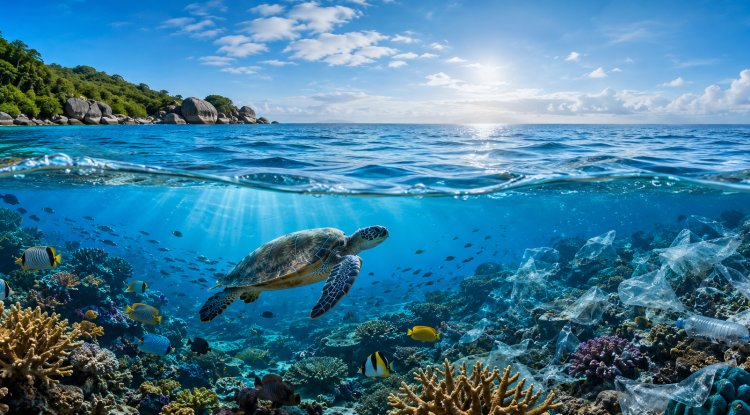
Over 70% of the planet's surface is covered by the ocean, and it is the primary system that ensures the survival of life on the surface of the earth. It supplies 40% of the oxygen to the world, balances the climatic systems around the globe, and acts as a natural shield from the consequences of the emissions of greenhouse gases. The marine environment does not just have an ecological impact, but also has tremendous economic implications through the coastal populations and marine industry worth 1.5 trillion dollars per year in the global economy, estimated to double to 3 trillion dollars by the year 2030. However, the threats to this vast and vulnerable ecosystem are unlike any before, from plastic pollution, overfishing, fast acidification, and warming of water temperatures to name a few.
There is any one area that must come into sharp focus through the lens of the UN Sustainable Development Goals is Goal 14, referred to as Life Below Water. The sea is critical to the 2030 Agenda for Sustainable Development, and this campaign serves as a reminder that while preserving our oceans is one thing, it is also much more than an environmental effort; it is an integral part of meeting the 2030 Agenda. Progress is being made through international trade deals, local conservation efforts on faraway shores, and other ways. The shift is away from just reactive clean-up efforts towards creating strong legal frameworks to help human beings change their relationship with marine resources before the damage becomes irreversible.
The World Trade Organisation Agreement on Fisheries Subsidies is a key achievement of this worldwide campaign that marks a major step in addressing the broad use of fisheries subsidies leading to the depletion of fish stocks. In recent years, governments around the world have been unwitting contributors to unsustainable fishing regimes that have allowed large industrial fishing fleets to overfish sensitive areas and practise illegal, unreported, and unregulated fishing at sea. So far, 120 members have signed the agreement, which offers a legal basis to reduce negative financial drivers and protect fish stocks around the world. This international agreement focuses on the economic drivers of overfishing and offers a model for how policy action can have an impact on rebuilding ocean ecosystems and providing long-term food security for millions of people who depend on seafood as their primary protein source.
At the same time, the human aspect of protecting the ocean is being highlighted through local grassroots efforts, illustrating the direct link between a healthy ocean and the survival of communities. In the Cabo Verde islands, inhabitants are showing that sustainable sea use can support entire economies in coastal towns. These projects demonstrate that conservation can be effective when local people — those who live and work on and around the water every day — are trained in selective fishing methods, educated about local coral reefs, and empowered to establish community-managed marine reserves. These models show that when local communities have the power and capacity to manage their own natural resources, they become strong advocates for protecting their local marine environment.
For low-lying island countries, the impacts of climate change have become a serious challenge, and the necessity of this protective mission is further underlined. Pacific island nation Tuvalu's citizens are already witnessing sea-level rise affecting their coastlines, and in the coming century, they fear that the sea could take over much of their land. The crisis faced by these island communities is a reminder that saving the ocean is closely linked with global climate action. Climate change is affecting marine ecosystems and their natural ability to buffer excess heat and regulate climatic patterns, causing greater storm surges and unpredictable climate changes that place vulnerable coastal societies on the front lines of environmental displacement.
It continues to be a difficult time ahead as world leaders and scientists get ready for international meetings to debate about resources and funds. There must be some major shift in the way the world treats sea creatures for any real change to occur. This will require the international community to make some policies for oceans by placing strict boundaries on production of plastic, research into material science substitutes, and making more marine sanctuaries across the globe. It is crucial that life under the ocean be protected if we are to have a sustainable future.
What's Your Reaction?