Rashtriya Chemicals and Fertilizers (RCF) reported progress in clean energy, waste management, and social impact, while cutting emissions and conserving resources.
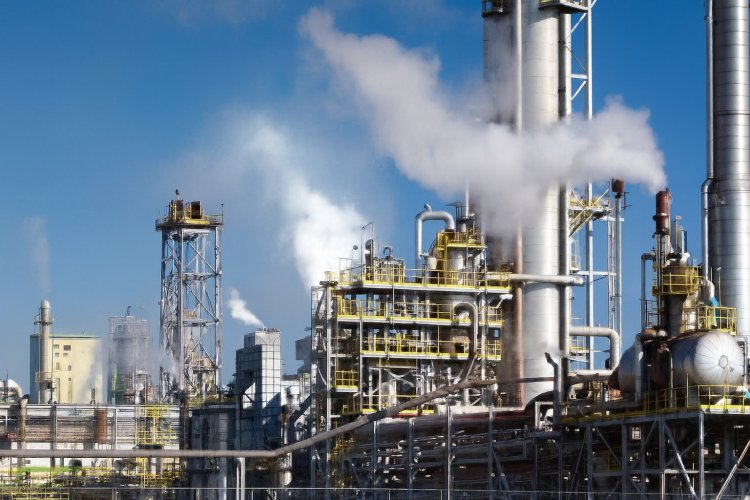
Rashtriya Chemicals and Fertilizers (RCF), a public sector fertilizer and chemical manufacturer, has showed its focus on sustainability in its Business Responsibility and Sustainability Report (BRSR) for FY 2024–25. The company emphasizes cleaner production, efficient resource management, and social responsibility while serving farmers across 24 states.
RCF reduced energy intensity to 0.000198 GJ per ₹ turnover and Scope 1 & 2 GHG emissions intensity to 0.0000226 tCO2e per ₹ turnover, driven by renewable energy use, effluent recycling, and solar installations (2 MWp ground-mounted and 2.25 MWp rooftop). Its Trombay sewage treatment plants processed 7,983 million litres of city sewage into treated industrial water, conserving fresh water for the community.
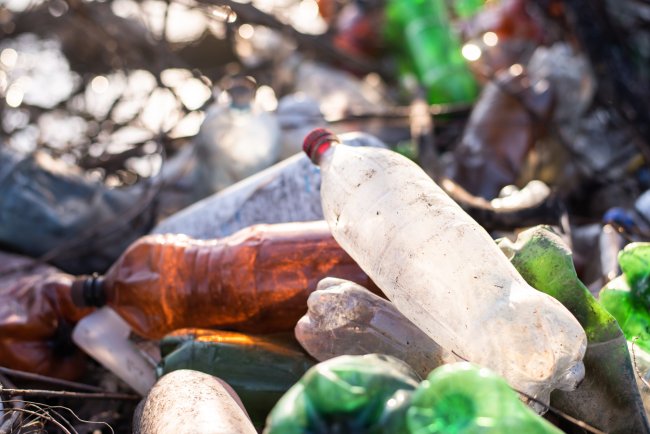
On waste management, the company follows 3R strategy (Reduce, Reuse, Recycle) and managed 15000 tonnes of waste, including plastic, e-waste, and hazardous waste. Most of this was recycled or recovered. Air pollutions were reduced through briquette-fired boilers and energy revamp projects.
All employees and workers are covered by health and accident coverage, with maternity and paternity benefits, parental leave retention rate 100% and provides grievance redressal for all staff. More than half of employees and one-third of workers gets training in health, safety, ESG, and skill development.
Through CSR projects, the company impacted over 1.18 lakh people, focusing on healthcare, sanitation, education, women empowerment, environment, and rural development. The company has key initiatives which includes scholarships for SC/ST students, midday meals for children, mobile medical vans and water supply in villages.
RCF sources 55% of its procurement from MSMEs and it follows all the NGRBC’s 9 principles. The company ensures fair labour practices, and has reported no data breaches, no unfair competition, and no product recalls.
The company's ESG policy targets three objectives: environmental conservation, minimal usage of resources, and growth through inclusion. RCF wants to achieve zero effluent discharge at Thal by 2027, lower greenhouse gas emissions, increase green energy and continue to support farmers with safe, sustainable fertilizers.
Highlights
- Energy: RCF used 3.35 GJ total energy with an efficiency of 0.000198 GJ per rupee of turnover.
- Water The company used nearly 2.07 crore kilolitres of water.
- GHG Emissions: Greenhouse gas emissions were about 3.75 million tonnes
- Waste: RCF generated 14,826 tonnes of waste, out of which 2,903 tonnes were recycled or reused.
- Air Emissions: Emissions included 98 tonnes of NOx, 104 tonnes of SOx, and 206 tonnes of particulate matter.
- Social Impact: Company has benefited about 1.18 lakh people in health, education, livelihood, and environment.
- Workforce: 1285 permanent employees, 4005 workers, 66.7% women on the board with 100% PF & gratuity coverage.
What's Your Reaction?