The numbers alone do not solve the industry’s climate challenge, but they demonstrate a company's efforts to steer a major sector in a new direction

Vedanta Aluminium’s latest sustainability report signals a clear shift in the way India’s largest aluminium producer is handling its climate responsibilities. The company has reduced its emissions intensity to 17.01 tCO₂e per tonne of aluminium, its lowest level to date — approximately 9% below its FY21 baseline.
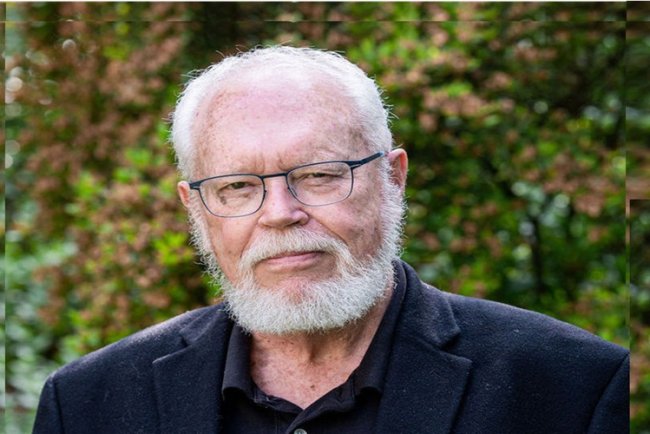
The numbers alone do not solve the industry’s climate challenge, but they demonstrate a company's efforts to steer a major sector in a new direction. “We are cutting emissions step by step, not through one grand move,” says Rajiv Kumar, CEO of Vedanta Aluminium. “The reduction we see today is the result of steady work across our operations.”
A Slow but Clear Shift in Energy Use
Aluminium depends heavily on power. Cleaner aluminium depends even more on cleaner energy. Vedanta’s recent progress is tied mainly to changes in how its plants are powered.
Kumar points to the ongoing switch from coal to natural gas at the Jharsuguda smelter. “The shift to natural gas alone will cut more than 47,000 tonnes of CO₂ every year,” he says. The company has also signed long-term agreements for 1,500 MW of renewable power by 2030.
Inside the plants, fossil-fuel machines are slowly being phased out. Vedanta now operates 142 electric forklifts across Odisha and Chhattisgarh to replace diesel-run equipment.
“We are upgrading every part of our system — from power to machinery — so the gains show up year after year,” Kumar says.
Other upgrades include digital process controls, waste-heat recovery and newer, more efficient production systems.
The Next Few Years Will Decide the Pace
Vedanta Aluminium calls the next three to five years a more defining period in its transition. More renewable power, greater use of natural gas and a sharper focus on efficiency are expected.
By 2030, the company wants 30% of its output to fall under the “low-carbon aluminium” category. This is becoming a major requirement from overseas buyers.
“We are preparing for a global market that wants cleaner materials,” Kumar says. “Our work today will decide how competitive we remain in the next decade.”
The long-term goals are already on record:
What Actually Drove the Emissions Drop
The reduction in emissions comes from many small shifts spread across the organisation.
Natural gas replaces coal at some locations. Renewable electricity is added to the mix. Certain machines are electrified. Human-operated processes shift to digital systems. Waste heat is captured and reused. Production lines are gradually fine-tuned.
None of these are dramatic by themselves, but together they move the numbers.
Circularity is another area of progress. The company reports 100% fly ash utilisation and reuse of 14.6 million tonnes of waste in FY25.
“We have over a hundred technology-led projects running right now,” Kumar says. “The idea is simple: grow the business while reducing emissions, not increasing them.”
Scope 3: The Hardest Part of the Journey
The toughest challenge sits outside the plant boundary — transport, raw materials and vendor operations. These indirect emissions, known as Scope 3, form the largest chunk of the footprint.
Vedanta Aluminium aims to cut Scope 3 emissions intensity by 25% by 2030, compared to 2022. This includes emissions from road and air transport, raw materials and supplier operations.
Kumar says better data and traceability will shape this effort. “We are using digital tools to track what comes into our plants and what leaves them. It helps us understand the true footprint of every tonne of aluminium,” he says.
The company has also introduced internal carbon pricing to guide procurement and logistics decisions — a method that forces departments to consider climate costs, not just financial ones.
Water, Community and Local Impacts
The report also shows movement in water and community welfare. Vedanta says it recycled around 15 billion litres of water in FY25 and helped restore over 60 community water bodies, leading to an 11% drop in freshwater withdrawal.
On livelihoods and skilling, the company says its programmes reached around 600,000 people, including 15,000 youth.
“Climate action and community development cannot be separated,” Kumar says. “Most of our work on water, clean energy and livelihoods directly affects the families living around our plants.”
What the Company Needs to Move Faster
On enabling factors, Kumar highlights two gaps: clearer quality standards and a stronger technology ecosystem.
“We need strict quality norms for imported scrap. It protects both the industry and the environment,” he says.
Technology is the second pillar. Vedanta is working with over 70 start-ups on projects ranging from energy optimisation to new lining designs for potlines that reduce energy use. Many of these experiments are live inside plants.
Kumar notes that bigger shifts — such as green hydrogen, large-scale renewables and advanced recycling — will need quicker clearances and more support for new technologies.
“If India wants to lead in sustainable aluminium, we must build an innovation ecosystem that moves faster,” he says.
A Sector Beginning to Turn, but With a Long Road Ahead
India’s aluminium demand continues to grow as infrastructure expands and cleaner mobility picks up. Producing aluminium with a lower footprint is now central to how the industry will evolve.
Vedanta Aluminium’s sustainability report shows early progress: lower emissions intensity, a gradual move away from coal, and more technology in the system. But the bigger task — changing supply chains and reshaping the energy base — will take steady work through the decade.
Kumar says,
What's Your Reaction?