Waste Pineapple Peels Can Become Market-ready Vinegar: Report
Solutions like these remind us that change sometimes begins with the simplest things — even the peel of a pineapple
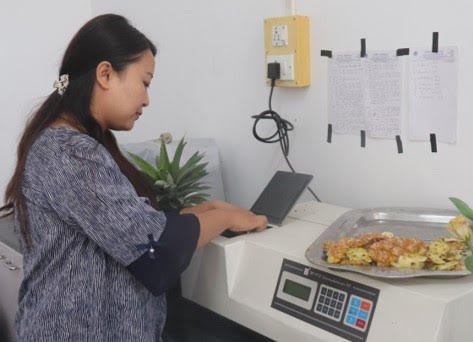
Most of us throw away fruit peels without a second thought. In pineapple-growing regions, the waste piles up even faster. Juice shops, processing units and small factories remove the fruit and leave behind the tough outer skin. For years, these peels had only one destination — dumping sites or compost pits.
A group of researchers has shown something different: those same peels can be turned into a good-quality vinegar that tastes as good as the regular versions we buy from the market. A recent study published in the European Journal of Nutrition & Food Safety tested this idea in detail and found that vinegar made from pineapple peels holds its own on almost every quality parameter.
From waste to vinegar
The method is not complicated. The method is simple. Pineapple skins undergo a fermentation process whereby the sugar-containing components of the peels gradually change into alcohol. The next step is where good microorganisms take over and turn that alcohol into acetic acid — the acid that imparts a strong flavour to vinegar.
The vinegar derived from peels proved to be a strong contender when researchers evaluated it.
Why this matters
Pineapple processing produces a large amount of waste — sometimes nearly half the fruit. Handling this waste is a headache for small units, especially in places where waste disposal options are limited. Turning peels into vinegar solves that problem and creates a new product at the same time.
This also opens up a chance for small businesses. A simple fermentation unit is enough to get started, and the raw material — fruit waste — is easily available. For farmers and processors, it becomes a way to earn a little extra without major investments.
What research says about quality
Vinegars made from fruit waste have been studied before, but the pineapple-peel version stands out for having a good balance of acidity, flavour and colour. Pineapple peels contain natural compounds that survive fermentation and may add to the taste and quality of the final product.
Other studies have reported similar results — peel-based vinegars show competitive acidity and good sensory appeal. In short, this is not a makeshift or inferior product; it can match standard table vinegar in quality.
What gets in the way
Even with such promising results, this idea has not travelled far. Many processors still treat peels as waste. Some worry about maintaining hygiene and consistent fermentation quality. Others simply don’t know that such vinegar is possible.
There are also small logistical issues — collecting peels in good condition, storing them before fermentation, and keeping the process clean and free from contamination.
These challenges are real, but not impossible to overcome. With basic training and awareness, small units could easily adopt this process.
The bigger picture
This is the kind of solution that fits well into a circular economy. It reduces waste, keeps value within the local system and encourages small-scale entrepreneurship. Pineapple processing villages located in different places like Nagaland, Meghalaya, Kerala, and Maharashtra can make use of the vinegars made from peels.
If it is brought into widespread use, vinegar made from peels could be regarded as a common product, thus giving people a sustainable option without making them compromise with taste or quality.
What needs to happen next
To scale this idea, a few things will help:
Clear guidelines on safe fermentation, awareness programmes for processors, and small start-up support for rural entrepreneurs. Once buyers become aware that peel vinegar is safe and tastes good, demand will follow.
A simple shift with long-term benefits
A fruit peel is easy to overlook. But this research shows how much value can hide in things we usually throw away. Pineapple-peel vinegar is not just a science experiment — it is a practical, low-cost idea that can cut waste, support small businesses and offer a new sustainable product to households.
In a world trying to manage growing waste and shrinking resources, solutions like these remind us that change sometimes begins with the simplest things — even the peel of a pineapple.
What's Your Reaction?