Waymo partners with B2U to repurpose retired EV batteries for grid storage and renewable energy support.
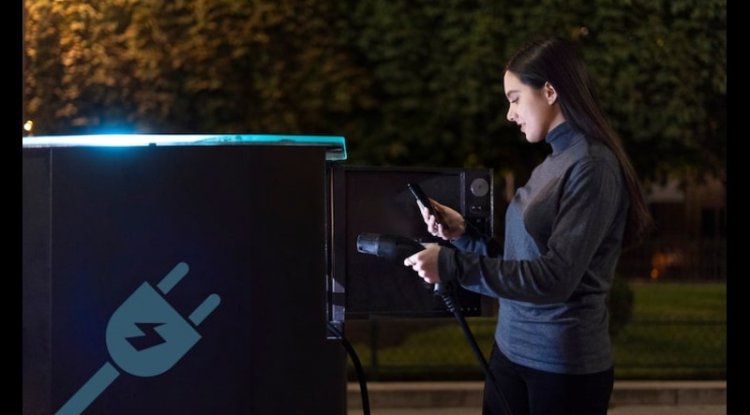
Alphabet-owned Waymo has partnered with B2U Storage Solutions to repurpose retired electric vehicle batteries from its autonomous ride-hailing fleet into stationary energy storage systems. This initiative is a significant step toward a circular economy, EV battery recycling, renewable energy storage, grid resilience, and sustainable transportation. The program will start in California and Texas, where rising renewable energy generation has increased the need for flexible energy storage solutions.
This agreement shows that managing battery lifecycles is becoming a crucial issue for companies with large electric vehicle fleets. As electric mobility grows, battery reuse, clean energy infrastructure, battery storage systems, autonomous vehicles, and sustainable transportation are important factors for businesses, regulators, and investors. They aim to maximize asset value while minimizing environmental impact.
Retired Batteries Given a Second Commercial Life
Under this partnership, batteries taken from Waymo’s autonomous electric vehicles will be tested and repurposed for large-scale stationary storage projects. They will not be immediately recycled. B2U will integrate these batteries into its energy storage systems, allowing them to continue providing value after their operational life on the road.
Waymo operates one of the largest fully autonomous and all-electric ride-hailing fleets in the U.S. Its vehicles are used more frequently than privately owned cars, so battery packs may reach the end of their service life sooner than those in traditional passenger vehicles.
Adam Lenz, Head of Sustainability and Environment at Waymo, mentioned that the company’s vehicles are shared assets with high usage rates. This creates a steady supply of batteries that can be reused for energy storage applications.
Waymo currently provides around 500,000 autonomous trips each week. As the autonomous mobility sector grows, the number of retired batteries available for secondary use is expected to increase significantly.
Supporting Renewable Energy Integration
B2U Storage Solutions has specialized in second-life battery projects since 2020 and has previously worked with battery systems from major electric vehicle manufacturers. Adding Waymo batteries further expands B2U’s supply chain for energy storage projects.
The repurposed batteries will go into cabinet-based storage systems about nine feet tall. Each unit will contain dozens of used electric vehicle batteries that can store excess electricity from solar and wind power facilities.
These systems are designed to absorb excess renewable energy during low-demand periods and release electricity back to the grid when demand rises. This process helps stabilize electricity networks while reducing renewable energy waste.
According to B2U Chief Executive Freeman Hall, the storage systems charge when renewable energy is abundant and electricity prices are low. They then discharge power during higher demand periods, such as after sunset when solar generation drops.
Economic Value Beyond Vehicle Use
B2U estimates that each repurposed battery can generate between USD 8,000 and USD 10,000 in extra value through grid services before being recycled. The company also estimates that a single storage cabinet could provide enough electricity to power an average household for up to three months.
The financial advantages of battery reuse are gaining interest in the electric vehicle industry. Extending battery life for secondary uses can help reduce waste, delay recycling costs, and improve overall fleet operation economics.
Experts increasingly view battery packs not just as vehicle components but also as long-term energy assets that can create value throughout different stages of their lifecycle.
California and Texas Chosen for Initial Deployments
The first projects under this partnership will take place in California and Texas, two states with significant renewable energy generation capacity and substantial grid-balancing needs.
California continues to grow its solar energy sector but struggles to match electricity supply with demand in the evening. Texas has become a leading producer of both solar and wind energy while facing rising electricity demand and increased focus on grid reliability.
By deploying retired vehicle batteries into local energy storage systems, this project aims to support renewable energy integration and enhance grid flexibility in both markets.
Waymo stated that this initiative also fits into its broader goal of sourcing renewable energy for its operations and supporting cleaner electricity systems that support electric transportation.
Circular Economy Gains Business Importance
This partnership reflects a broader movement toward circular economy principles in transportation and energy sectors. Companies are increasingly finding ways to extend the useful life of materials and equipment instead of disposing of them after their primary use.
For investors and corporate leaders, battery reuse is becoming an essential consideration for governance and sustainability. Effective battery management strategies can help companies lessen environmental impacts, create new revenue opportunities, and improve resource efficiency.
As electric vehicle adoption and autonomous mobility continue to rise, second-life battery applications are expected to play a larger role in supporting renewable energy systems. Waymo’s recent initiative shows how retired vehicle batteries can help with grid stability and clean energy deployment long after their time on the road.
What's Your Reaction?