India's renewable energy sector is expanding rapidly, but rising electricity demand, grid challenges and the need for reliable power are keeping coal at the centre of the country's energy mix.
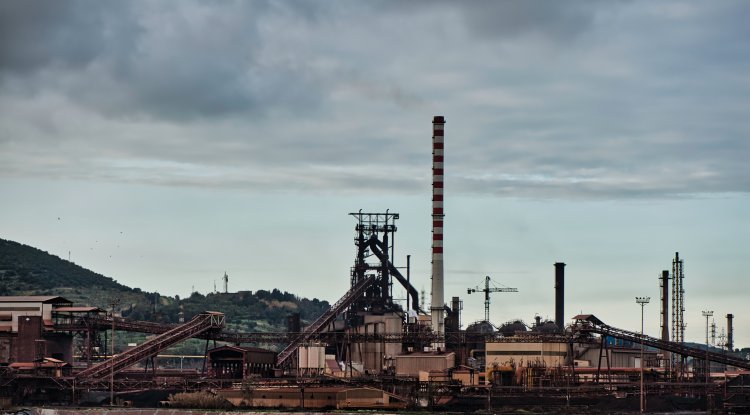
India is rapidly increasing its renewable energy installations, constructing large solar and wind farms throughout the nation. Yet, at the same time, coal output is rising, and it remains an integral part of the energy policy of the country. Indeed, this looks quite contradictory but the truth is slightly different.
Firstly, India already managed to exceed its target and generate 50% of its total installed energy capacity using renewables rather than fossil fuels ahead of schedule. However, installed energy capacity and the generation of electricity differ significantly. Renewable energy takes large share in installed energy capacity, but it is still not generating enough electricity. On the contrary, coal generates approximately 70–75% of India's total electricity output.
One of the main reasons behind this is the high rate at which the country’s electricity demand is rising. The economy of India is expanding rapidly; industries in the country are growing; there are more people using air conditioning systems and other gadgets that require electricity; and data centres, for example, are also requiring more and more electricity. According to the Internation Energy Agency (IEA), India’s electricity demand will keep rising during the rest of this decade.
Other problems include the dependence of solar and wind power generation on the weather. For example, solar panels produce energy during the day, while wind power requires wind to blow. In contrast, coal-fuelled power stations can be operated continuously, thus ensuring stable electricity production throughout the day. Hence, coal plays a critical role in ensuring "baseload" power production that sustains businesses and urban centres.
Storage capacity is also an important issue. While advances are being made in battery storage and costs have fallen considerably, India does not yet have adequate storage facilities to store renewable power generated and then supply it during peak times. Lack of adequate storage capacity through batteries and pumped storage facilities means that the coal-fired units continue to be used as backup when production from renewables falters.
Moreover, there are also some challenges in terms of national electricity grid. The sources of renewable energy are mostly located in distant areas far from cities. Limited transmission capabilities and shortages of equipment make it difficult to transmit renewable energy. In this regard, coal will be crucial in order to ensure stability in the national electricity grid.
Another important aspect is energy security. India wants to decrease the level of dependence on imported sources of energy to prevent any possible energy shortages. Therefore, there has been a policy towards increased domestic coal mining. Record levels of coal production have been achieved recently, which helps in decreasing the amount of imports and securing supplies of coal to power stations.
The occurrence of extreme weather conditions has made it clear that there is need for reliable power production. This is because the demand for electricity during extreme temperatures is very high. Coal fired power stations become an essential part of generating the extra electricity required at such times. This year, a new demand for electricity triggered the supply of more coal to power stations.
Nevertheless, the future trend will likely be toward cleaner sources of power. It is anticipated that the contribution of coal to the production of electricity will slowly start to diminish in the coming years due to advances made in the realm of renewable energy and storage. But since there is such a rapid increase in demand for electricity, India’s coal usage may continue to rise in the short term.
In simple terms, India is not choosing between coal and renewable energy. It is currently using both. The use of renewable energy sources is increasing fast, and they will have a huge role to play in the future; however, at present, it is only coal-fired plants that can generate uninterrupted electricity to sustain the economic growth of one of the most rapidly developing nations on earth. At this point, it is more about incorporating new sources rather than discarding old ones.
What's Your Reaction?