Adani Power Receives Major Approval for 2,400 MW Thermal Project in Bihar
Adani Power has received approval and a long-term supply contract to develop a 2,400 MW ultra-supercritical thermal power plant in Bhagalpur, Bihar, providing grid stability, industrial opportunity and thousands of jobs.
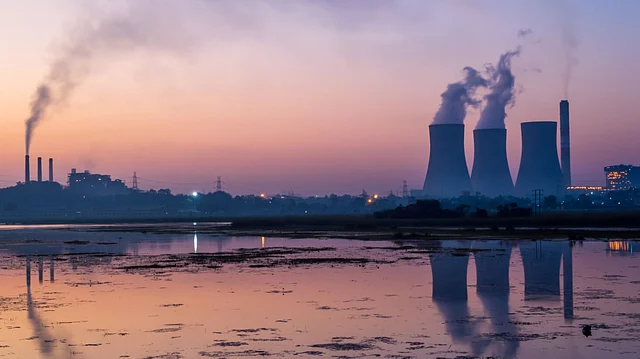
Adani Power has received a Letter of Award (LoA) to develop a new 2,400 MW ultra-supercritical thermal power plant in Bhagalpur, Bihar. The company won the project through a competitive tariff-based selection process. This initiative supports India’s need for reliable base-load electricity to fuel industrial growth and is expected to bring significant economic and job benefits to the state. The plant, which will cost around $3 billion, will provide electricity to North and South Bihar Power Distribution Companies under a long-term power purchase agreement that lasts 25 years.
The goal of the plant is to meet rising energy demands and improve grid reliability for industries, commercial centers, and residential areas. As peak power demand in India continues to grow, thermal power plants like Adani’s are essential for ensuring a steady electricity supply, especially when renewable energy production is inconsistent or falls short of demand.
During construction, the project is expected to create direct and indirect jobs for up to 12,000 people. This number will decrease to about 3,000 during full operation. This job creation is vital for regional employment, associated services, and supply chain businesses. It will help Bihar achieve its development goals and make the state more attractive to future industrial investments. The plant will focus on ultra-supercritical steam generation technology, which is expected to improve efficiency and lower fuel consumption compared to older systems.
India's broader strategy for the power sector includes incorporating renewable energy sources. However, thermal plants are still a key part of the country’s ongoing energy plan, providing stable output and balancing the variability of renewable sources. Critics of new thermal power projects warn that India needs to be cautious about emissions and ensure any new developments include pollution control technology that meets national and international standards.
The financing for this project aims to draw both public and private investment, showing confidence in the importance of long-term baseload generation assets. The competitive tariff model used here guarantees that electricity will be provided at agreed, cost-reflective rates, which may help to minimize the risk of tariff shocks for consumers over the project's duration.
As India’s energy transition continues, the Adani Bhagalpur project sets a standard for scale, efficiency, and regional focus in thermal power generation. It also highlights the ongoing significance of this sector for national infrastructure and economic strategy.
What's Your Reaction?