AI Camera Network Boosts Arizona’s Wildfire Detection and Response
Arizona’s new AI wildfire detection cameras spot smoke up to 10 miles away, helping firefighters respond faster and contain blazes before they spread. The system improves safety, protects power infrastructure, and demonstrates how technology can aid wildfire prevention.
Arizona has developed a novel artificial intelligence wildfire detection system that can spot smoke and heat faster than conventional techniques, therefore providing firefighters with crucial more time to react. Arizona Public Service (APS) is using technology to put out fires before they get too big in places where there is a high risk of them starting. The technology is being used in these areas now and it is helping to keep fires from spreading.
Specialized cameras scan the terrain constantly for indications of fire via the system. The cameras can tell the difference between wildfire smoke and other visual cues like fog or dust. They can also see smoke up to 10 miles away. This guarantees that firefighting resources are only used when absolutely essential, hence lowering false alarms. APS is giving fire departments access to live feeds from these cameras so they can keep an eye on how things are going in real time and send out crews more efficiently.
APS projects to have over 30 of these AI-powered cameras running in places including Flagstaff, Payson, Prescott, Sedona, north Phoenix, and portions of southeast Arizona by the summer of 2025. Designed by tech company Pano AI, the units have ultra-high-definition lenses, total 360-degree rotation, and zoom features that let users concentrate on particular locations where smoke is seen. Additionally, they combine satellite data to forecast fire size and location.
The technology is part of APSs' larger wildfire prevention plan, which has been under development for more than ten years. To preserve both people and infrastructure, the organization collaborates closely with local fire departments, federal land authorities, and the Arizona Department of Forestry and Fire Management. The network of cameras enhances other preventive actions including predicting fire behaviour, vegetation control, and weather monitoring.
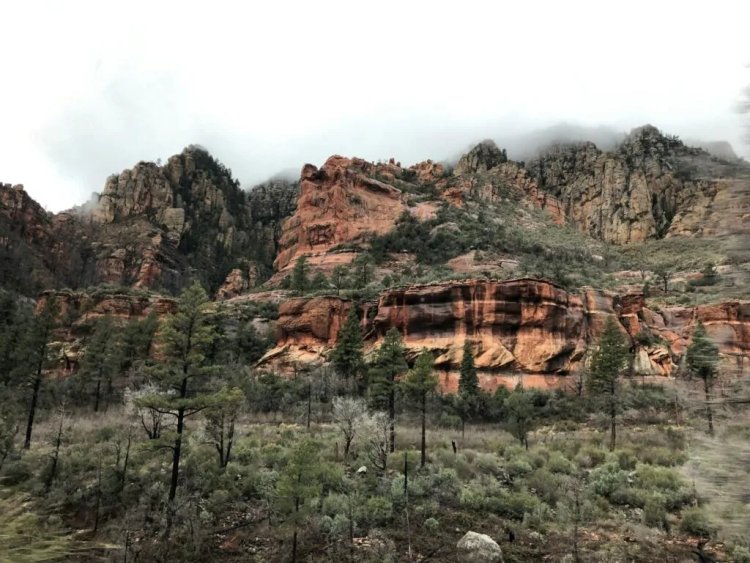
Rising temperatures and aridity exacerbate the increasing risk of wildfires in Arizona's varied ecosystems, which house distinctive plant and animal species. Early detection is essential for minimizing damage, preserving habitats, and preserving human life. Recent months' actual-world achievements have demonstrated the value of the artificial intelligence system.
A camera picked up smoke from the Horton Fire in the Tonto National Forest close to Payson in December 2024. Fire experts were quickly drawn to the fire that was caused by human activity during a time when there was usually a low risk of wildfires. Together with good weather and already cleared vegetation around power lines, coordinated efforts between APS and local firemen helped stop the fire from spreading. The cameras gave overnight tracking to follow fire development and the cleared power line corridors served as firebreaks.
February 2025 brought still another instance when a camera set in Prescott National Forest spotted smoke from what turned out to be the Brady Fire. Still less than an acre in size, the fire was seen. The camera sent an alert to both APS and the forest dispatch centre, which let firefighters get to the scene quickly. The camera was on a communication tower with the U. S. Forest Service. Before it might endanger infrastructure or develop into a bigger occurrence, the fire was stopped.
These accomplishments emphasize the need of quick detection in wildfire reaction. Confirming a fire early speeds resource mobilisation, therefore reducing damage and cutting expenses by way of limited damage. Early alerts help safeguard the electricity grid as well, as tens of thousands of consumers might experience outages from wildfires that destroy electricity lines or gear.
With the help of former wildland firefighters, arborists, meteorologists, engineers, data analysts, line workers, and drone pilots, APS's wildfire prevention programme manages over 38,000 miles of power lines around the state to guarantee that power supply stays safe and reliable. Regular inspections, equipment improvements, and clearing vegetation near lines help to lower ignition hazards.
Other technologies including weather stations, satellite imagery, and fire modelling tools support the AI cameras. These systems together help to evaluate present circumstances, anticipate risks, and proactively react to threats. This coordinated strategy guarantees that response, identification, and prevention go hand in hand.
Arizona's climate makes wildfire preparation vital. Long stretches of warm, dry weather provide perfect conditions for wildfires to start and spread quickly, sometimes in isolated places where it can take a while for people to see them. The artificial intelligence cameras solve this by offering continuous, automated monitoring even in areas where no one is there to sound the alarm.
The efficiency of the systems depends mostly on the cooperation between APS and the fire services. Sharing live camera feeds helps incident commanders to make wise decisions based on current visual information. This enhances situational awareness, directs resource distribution, and could produce improved containment results.
The investment in artificial intelligence wildfire detection is a major improvement in public safety for people living in Arizona. Faster detection means often fires can be stopped before they endanger companies and homes. Additionally, it lowers the risk to firefighters since they may be sent sooner and with a better grasp of the circumstances.
Arizonas case might motivate other areas to embrace comparable technology as wildfire seasons get longer and more severe all across the western United States. Together with classic firefighting knowledge and community readiness, AI-powered detection systems provide a means of adjusting to changing climate conditions and the rising wildfire danger.
Arizona is developing a more responsive and organized strategy for wildfire control by combining artificial intelligence, high-resolution imaging, and real-time communication. This shows a bigger trend of using modern technology into emergency response. Given the initial results, in the years ahead such instruments will be an ever more crucial component in preserving ecosystems, infrastructure, and human communities.
What's Your Reaction?