


AI is transforming African agriculture by offering practical solutions for crop management, pest control, and resource efficiency. Despite funding cuts and infrastructure challenges, these tools are becoming essential in boosting productivity and sustainability.
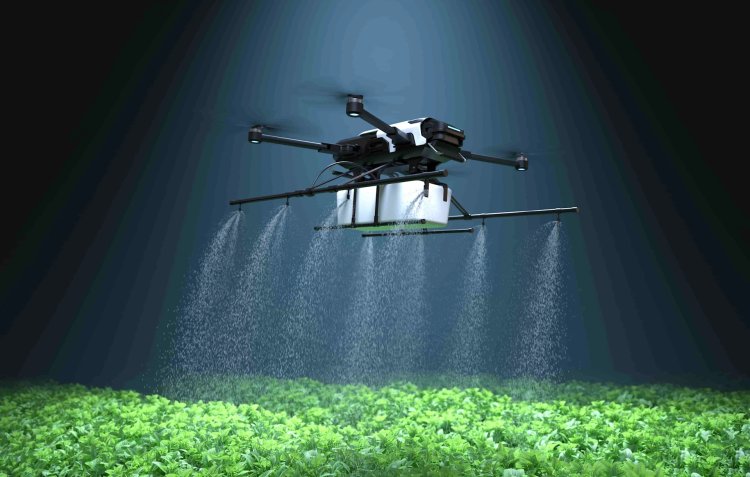
Artificial intelligence (AI) is fast transforming the agricultural sector in Africa, providing new avenues through which farmers can address traditional challenges such as climate change, resource constraint, and the lack of expert agricultural expertise. Farmers are embracing more efficient and informed strategies with the assistance of AI-powered tools, which are slowly transforming the agricultural productivity in the continent.
In Kenya, Ghana, Nigeria, and other nations, AI assists in the detection of plant diseases, suggests vaccines for chicken, offers market guidance, and supports sustainable agricultural practices. They have been extremely successful where there are conventional systems of support like extension agents that are too overburdened. In Nigeria's Benue State, for example, an extension agent will have as many as 23,000 farmers he or she has to take care of, and so one-to-one advice is not possible. Platforms such as Farmer.chat, created by non-profit Digital Green, are closing this gap. It gives computerized advice in local languages such as Hausa for wider outreach and access.
Over 50,000 African farmers are currently applying AI-driven technologies to address everyday farming challenges, including the control of pests and the choice of the best breed. In addition to solving problems at the grassroots level, these technologies also provide farmers with financial planning tools, market access, and adopting regenerative farming approaches. Darli AI is a technology developed by Farmerline, a Ghana-based company, for instance, with the aim of providing farmers with tailored advice to build their businesses.
Other programs, including Penn State University's PlantVillage, continue to serve an estimated 15 million African farmers per season. Although recent issues occurred after a freeze on U.S. foreign aid interrupted funds, the site still functions. It employs AI to keep watch and forecast pest infestations like locusts and plant diseases like cassava mosaic. Devices produced locally, such as PlantVillage's Nuru chatbot, are able to diagnose problems from phone photographs and provide tailored advice.
But there are rough patches on the road to putting AI in agriculture. The technology consumes massive amounts of data, and its use depends on such resources as water, electricity, and rare earth minerals. Misreading of data is also possible when algorithms are not developed in sufficient local context, sometimes confusing vegetation or terrain features.
Developing AI solutions with local populations and researchers is a top priority identified by experts. Integrating knowledge of the local area will minimize errors and enhance the application of AI solutions. When climate change impacts agricultural conditions to become more uncertain, integrating real-time field data with AI analysis could prove more efficient in forecasting and assisting farmers.
The AI systems are meant not to replace farmers but to increase their decision-making power. The potential for AI to improve the resilience and productivity of African agribusiness is vast, especially against the backdrop of declining traditional models of aid and increasing local innovation. Assuming that investment is sustained and patterns of inclusive development are followed, AI could be a central part of guaranteeing an enduring and food-secure African future.
Source:
Republished from "Smart Farming: How AI Tools Are Changing African Agriculture" by KnowESG on 10 June 2025. Content credit: KnowESG & Fast Company.
What's Your Reaction?

















