Aluminium foil is safe for everyday cooking and storage when used correctly, but improper use with acidic foods, high heat, or long storage can increase potential health risks.
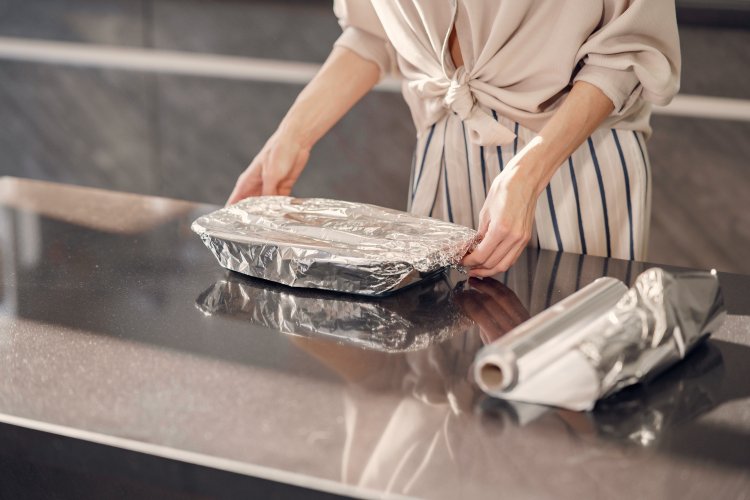
Aluminium foil is one of those general utensils in the kitchen used for wrapping food, covering dishes when baking, and storing leftovers. The habit has gone unquestioned since several years. But now with increasing awareness about food safety and chemical exposure, many people have started asking whether aluminium foil is always safe to use for cooking and storage. The materials used in it is safe or not. But the answer isn't quite clear and depends largely on how the foil is used and what kind of food it encounters.
Why the usage of Aluminium foil matters
Aluminium is a naturally occurring metal; it is already present in small measures in a lot of foods, drinking water, and even some medicines. Normal dietary exposure to aluminium has been considered safe, according to assessments carried out by the World Health Organization and the European Food Safety Authority, due to poor absorption of the metal by the body, subsequently eliminated naturally. As stated by Healthline health and nutrition reporting, everyday exposure tends to be within safe limits.
How Aluminium Foil Interacts with Food
Issues arise when aluminium foil directly interacts with food under certain conditions. Findings from research and views by experts that are documented by the leading media house, show that high temperatures, acidic properties of food, salt, and duration can lead to an increased transfer of aluminium to food mass composition. If grilling or roasting at high temperatures is involved, such food preparation methods can cause an accelerated transfer of aluminium to food mass composition when preparing certain dishes such as tomatoes, citrus fruits, or vinegared food products like vinegary marinades.
Aluminium Foil and Food Storage Concerns
Though aluminium foil is highly used for packing leftover food. People use it for rapping food for lunch to keep food warm for longer. But the truth is that aluminium foil is not an airtight packing material and is unable to protect against exposure to air or bacteria. As per the views expressed by experts in the food safety department of the leading media, aluminium foil is good for short packing of dry or non-reacting foods but deemed unfit for storage, primarily for wet, high sodium, and high acidic substances.
Health Concerns Linked to Aluminium Exposure
It is a consensus among healthcare professionals that aluminium exposure under normal dietary practices is harmless to most people. Some governing bodies rate the safe level of aluminium uptake by individuals to be below a certain level of one milligram per kilogram of body weight a week. Healthcare articles by Healthline report that dose accumulation from different sources such as foil exposure, processed foods, and cookware can sometimes exceed this permissible dose under certain circumstances.
There have also been scientific discussions regarding whether there is a link between aluminium and neurological disorders such as Alzheimer’s. While there have been some investigations done by researchers on this question, it was made clear that there was not strong enough evidence to get definite answer. Those with kidney problems may not remove extra aluminium from the body efficiently, so it can build up more easily in the body and might increase health risk.
Using Aluminium Foil Safely in the Kitchen
Specialists recognize that aluminium foil should not be totally banned within the kitchen but used with care. Health and material experts for environmental purposes, as well as other cited by Eco Alum, suggest that aluminium foil should not directly touch meals that are high in acidity or salt, especially if such meals are exposed to high temperature. Aluminium foil should not be used within a microwave oven as the material creates sparks among other risks. The presence of parchment paper can help to alleviate the risk of aluminium being transferred.
Safer Alternatives to Aluminium Foil
In storage and some cooking practices, there are better and safer options than aluminium. For instance, Glass containers are considered safe to use because it is non-reactive and is best for food storage in fridge. For baking parchment paper and silicone mats can be used. Stainless stell utensils are also widely trusted by many because they are strong, long-lasting and do not release harmful chemicals during use.
Conclusion
Aluminium foil is not that harmful or dangerous and does not need to completely avoid. It still can be used for many kitchen tasks only when it is used in the right way. Problem arise when using foil with acidic or salty food or when exposed to high heat for longer. When you already have safer options available and still using foil then there is the problem. If people are made aware of the fact that they are not wrapping any acidic foods in aluminium foil and opting for something better such as glass and parchment paper, then aluminium foil is not a hazard to one’s health. Cooking and storage of food by using aluminium foil the correct way is completely safe.
What's Your Reaction?