


A study by CICERO finds that air pollution reductions in East Asia, especially China, may have briefly accelerated global warming by removing sunlight-reflecting aerosols. The effect is expected to be short-lived.
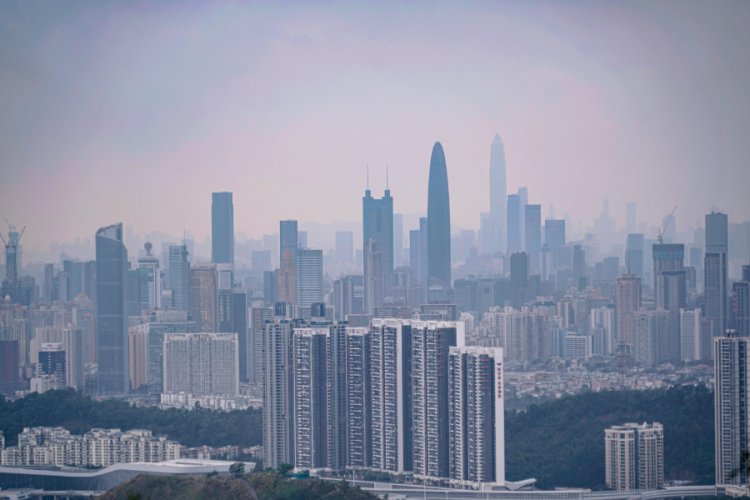
A new research discovered that attempts to curtail air pollution in East Asia, and specifically China, could have inadvertently caused a sequence of sudden global warming events in the not-too-distant past. The research was released by the CICERO Centre for International Climate Research in Nature Communications Earth and Environment.
The study credits this transformation to a precipitous drop in aerosol pollutants, particularly sulphate aerosols, which previously reflected sun radiation off the Earth's surface. The past 15 years have seen aggressive air quality regulations in East Asian nations—most importantly China—which have brought about abrupt drops in such aerosols.
The study shows this decrease has briefly unveiled the previously hidden effects of greenhouse gas emissions in contributing to increased surface temperatures. The scientists performed climate simulations over eight models to gauge impacts of reduced air pollution. Their estimates further reveal that up to 75 per cent of sulphate aerosol emissions over the region have been cut during the period.
While aerosols like sulphates cool the climate by scattering radiation from the sun, they are also extremely health-harming. Atmospheric pollution alone in China has accounted for almost a million annual deaths, leading to hot policy measures to curtail airborne emissions. But the article also shows how difficult the reactions of the climate become if such pollutants are suddenly removed.
Lead author Bjørn H. Samset of the research pointed out that aerosol removal in East Asia has most probably been the cause of most of the recent warming, especially in the Pacific. It suggests that while these pollution control policies have helped improve local environmental quality and public health, they might have actually hastened the increase in global temperatures.
The report also highlights the difference of lifespan among various categories of emissions. Aerosols have extremely high short-lived forcing of climate which can extend only for a few days to weeks, whereas carbon dioxide emissions can extend for centuries. Therefore, the speeding up of warming by aerosol decline will likely be temporary. As air pollution stabilizes, the world's climate will return to a rate of warming dominated by greenhouse gases.
Co-author Dr Laura Wilcox, of Reading University, said the warming maximum currently underway could fall as the "unmasking" period will come to an end. The research, however, brings an issue with how climate and air quality goals can be pursued more evenly to steer clear of undesirable impacts.
The research confirms the reliance of climate and air quality policy, particularly in those areas experiencing rapid industrial and environmental transformation. It indicates that there is even more global warming that can be witnessed in the short run because nations implement similar policies to minimize air pollution.
The researchers suggest policymakers ought to account for such impacts when designing emission control policies. Even deeper insight into short-term and long-term climate impacts will be needed as countries adopt clean air objectives at the same time as they implement climate mitigation policies.
Source:
2025 CICERO Centre for International Climate Research via Nature Communications Earth and Environment
What's Your Reaction?

















