India’s copper cathode quality order, enforced from July 2025, mandates BIS-certified purity standards on imports to curb substandard materials. While supporting electronics and energy sectors, the policy risks disrupting 20% of annual imports due to compliance delays and rising costs. With 60% of India’s 1.2 million tonnes sourced from Japan, Tanzania, and Mozambique, supply chain bottlenecks may impact SMEs. Domestic output, led by Vedanta and Hindalco, meets only 40% of demand. To sustain industrial growth and hit the $100 billion electronics export goal, India must invest $2 billion in refining, improve testing labs, and diversify through trade deals like India-EFTA.
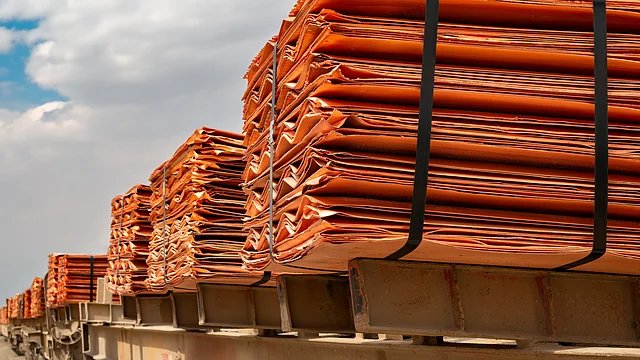
India’s new copper cathode quality order, effective from July 2025, aims to standardise imports but risks supply shortages, according to industry bodies. As demand grows, the policy could reshape trade dynamics, with significant implications for domestic industries.
The Bureau of Indian Standards (BIS) mandates that all imported copper cathodes meet specific purity and quality benchmarks, addressing concerns about substandard imports affecting industries like electronics and power. India, the world’s third-largest copper importer, relies on Japan (65%), Tanzania, and Mozambique for 1.2 million tonnes annually. The International Copper Association (ICA) warns that the order could disrupt 20% of imports due to compliance costs and delays in certification. Posts on X highlight fears of supply chain bottlenecks, with Japan’s stricter export protocols potentially exacerbating shortages.
Domestic production, at 800,000 tonnes, meets 40% of demand, with Vedanta and Hindalco leading. The order aims to boost local refining, aligning with India’s $100 billion electronics export target by 2030. However, certification processes could raise costs by 5–10%, impacting SMEs. Critics argue that the policy overlooks India’s reliance on imported rare earths for refining, with China’s dominance in Myanmar’s supply chain posing risks. Infrastructure gaps, like inadequate testing labs, with only 30% meeting global standards, further complicate enforcement.
The government offers subsidies under the PLI scheme to enhance domestic production, but scaling capacity requires $2 billion in investments. India’s trade agreements, like the India-EFTA deal, could diversify import sources, but global copper prices, up 15% in 2025, add pressure. A balanced approach to quality control and supply security is needed to avoid disruptions in India’s tech and energy sectors.
India’s copper cathode rule aims to ensure quality but risks supply shortages. Strategic investments and diversified trade partnerships are critical to sustaining industrial growth.
Source: Outlook Business
What's Your Reaction?