Kia Motors is transitioning to electric vehicles by 2030 with plans for 14 fully-electric models. The company is investing heavily in EV technologies to reduce its carbon footprint and contribute to a greener future.Explore Kia’s plan to shift to electric vehicles by 2030, its investments in EV technologies, and its commitment to reducing global carbon emissions. Learn about Kia's sustainable mobility goals and the future of electric cars.
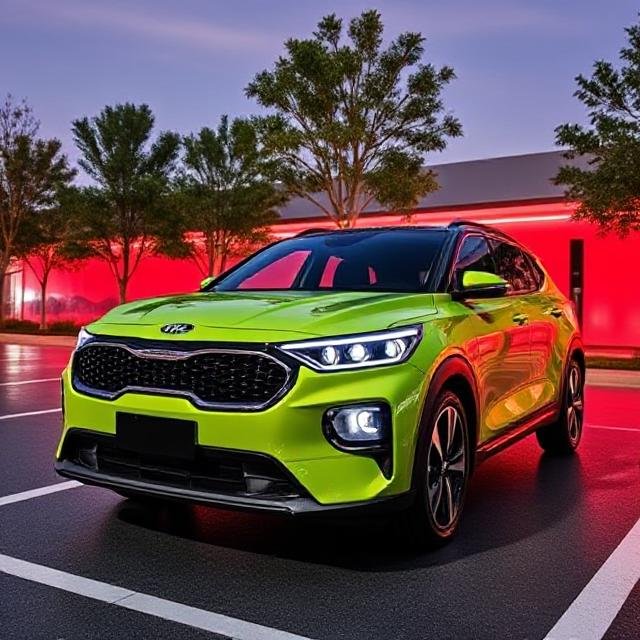
Kia Motors, a leading global automaker, has announced an ambitious strategy to shift to electric vehicles (EVs) by 2030. The company is committed to reducing its environmental impact and contributing to global efforts in combating climate change by focusing on sustainability. By the end of the decade, Kia plans to have 14 fully-electric models in its portfolio, aiming to make up over 25% of its total global sales from electric cars. As part of this shift, the company is set to invest billions of dollars into developing advanced electric vehicle technologies, infrastructure, and manufacturing processes to ensure a smooth transition to an electrified future.
Kia’s transition to electric mobility is driven by the increasing global demand for eco-friendly vehicles. With countries and cities around the world imposing stricter emissions regulations and consumers becoming more environmentally conscious, automakers are racing to meet these new standards. Kia’s investment includes expanding its electric vehicle production capacity, developing new battery technologies, and enhancing its charging infrastructure. The company is also working on reducing the carbon footprint of its manufacturing processes, making its entire production cycle more sustainable.
The Korean automaker’s strategy involves the development of scalable electric vehicle platforms that can support a range of different vehicle types, from compact cars to larger SUVs. This flexibility allows Kia to cater to diverse consumer preferences while remaining competitive in the global market. In addition to producing electric cars, Kia is also focusing on next-generation battery technologies to increase the efficiency and driving range of its EVs, which is crucial to the adoption of electric mobility on a larger scale.
Kia’s dedication to sustainability extends beyond vehicle production. The company is also investing in clean energy solutions to reduce the environmental impact of its operations. This includes the use of renewable energy sources in its manufacturing plants and efforts to recycle materials used in vehicle production. By 2045, Kia aims to achieve carbon neutrality across its entire product line and operations.
As part of its broader environmental goals, Kia is focusing on contributing to the reduction of global carbon emissions. The shift to electric vehicles will play a significant role in reducing the carbon footprint of the automotive industry. By transitioning to EVs, Kia will help curb greenhouse gas emissions, reduce reliance on fossil fuels, and promote a cleaner, greener future for generations to come.
In conclusion, Kia’s ambitious transition to electric vehicles by 2030 marks a significant milestone in the automotive industry’s shift towards sustainable transportation. The company’s investments in EV technologies, infrastructure, and manufacturing processes will contribute to global efforts in reducing the carbon footprint of the automotive sector. With a clear vision for a greener future, Kia is positioning itself as a key player in the electric vehicle revolution, helping to shape the future of sustainable mobility.
Source: Information gathered from Kia Motors official press releases and industry reports.
What's Your Reaction?