A study published in Nature Sustainability finds climate change could sharply increase urban water bills by mid-century as cities invest in new water infrastructure, with low-income households expected to face the highest costs.
Climate change could significantly increase household water bills in cities as utilities invest in infrastructure to address worsening water scarcity, according to a study published in Nature Sustainability and reported by Down To Earth. The research found that rising costs are likely to affect low-income households the most, placing water affordability alongside water security as a growing policy concern.
Published on July 8, the study examined the combined impact of climate change, ageing infrastructure, household water demand and utility investment decisions on water affordability. While earlier research has largely focused on the cost and reliability of water systems, the authors assessed how higher costs are distributed across households with different income levels.
Researchers selected Santa Cruz, California, as the case study because the city depends on limited local water sources and has already implemented many low-cost conservation measures. Future improvements in water security would therefore require costlier options, including desalination and wastewater reuse projects.
Using data from Santa Cruz's water department, the study estimated that climate change alone could leave an additional 7-16 per cent of households with unaffordable water bills. By the middle of the century, the city's median household water bill could nearly double under scenarios requiring additional investment in water infrastructure.
Around 19 per cent of households in Santa Cruz currently spend more on water than the affordability threshold set by the US Environmental Protection Agency. The study estimated that the figure could rise to 26 per cent under a moderate climate scenario and to 35 per cent if drier conditions require additional infrastructure investment.
The financial burden would be greatest for lower-income households. Under the driest climate scenario assessed, the median monthly water bill for the city's poorest households could increase from about $60 to $111. More than five per cent of households could spend nearly one-third of their income on water, leaving less money for food, healthcare and other essential expenses.
The researchers also examined the trade-off between affordability and water security. Building desalination facilities earlier would improve water supply during droughts but increase consumer bills. Delaying such investments would reduce short-term costs while increasing the risk of water shortages.
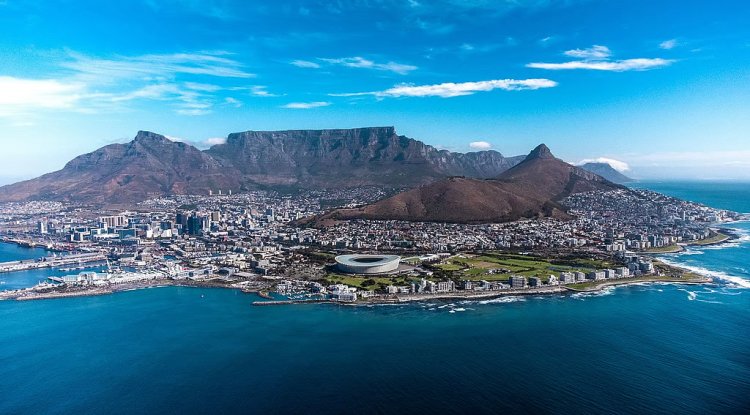
The study noted that the modelling framework can be applied to other climate-vulnerable cities, including Los Angeles, San Diego, San Francisco, Cape Town and Melbourne. It called for regulatory reforms, increased public investment in climate-resilient water infrastructure, and targeted financial assistance for vulnerable households to prevent climate adaptation costs from disproportionately affecting lower-income communities.
What's Your Reaction?