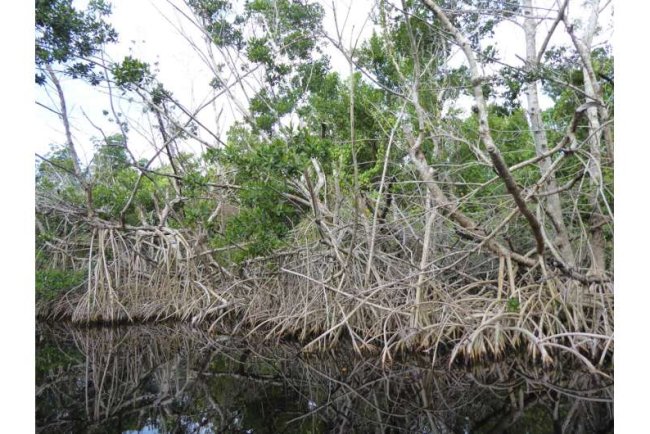
Up to 17% of global arable land is contaminated with toxic heavy metals, threatening food safety and human health for up to 1.4 billion people. A study based on nearly 800,000 samples calls for urgent global action to monitor and mitigate soil pollution.
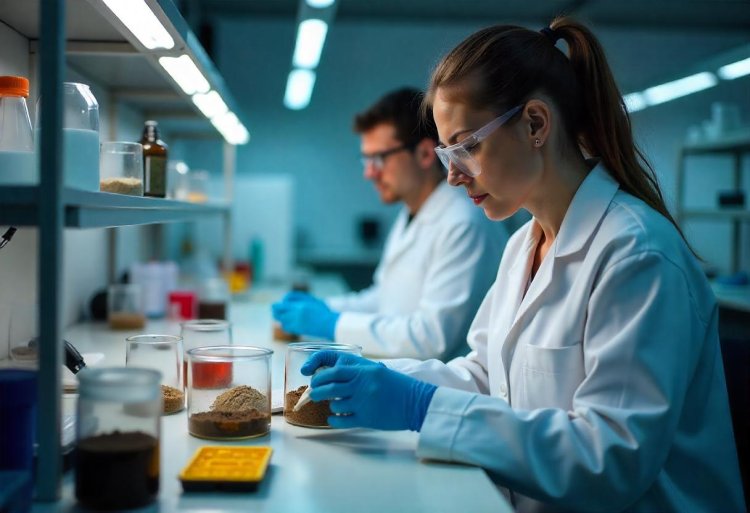
A new worldwide research has found that as much as 17% of the planet's farmland is polluted with poisonous heavy metals, creating a health threat to as many as 1.4 billion humans. Detailed in the journal Science, the study provides the most thorough picture yet of heavy metal pollution of agricultural soil, as quantified by a meta-analysis of almost 800,000 samples of soil from around the world.
The research, written by Tsinghua University's Deyi Hou, examined the extent to which seven toxic metals -- arsenic, cadmium, cobalt, chromium, copper, nickel, and lead -- are contaminating arable land globally. Researchers employed machine learning techniques to identify where the concentration of these metals has surpassed global safety thresholds. According to the report, there is extensive contamination with 14% to 17% of arable land across the globe recording unsafe levels of at least one of the metals.
The study becomes important as it identifies a serious public health risk from these metals because they are harmful to human beings, animals, and plants even at relatively low concentrations. Heavy metals, once introduced into the soil, can invade food chains and water bodies and hence create prolonged exposure risks. Plants cultivated on polluted soil may take in toxic chemicals, which may subsequently be ingested by humans and animals and predispose them to long-term illness, including organ damage, stunted growth in children, and even cancer.
Heavy metal pollution is due to natural and anthropogenic sources. While some of the soil pollution is due to geological activities, the majority is due to the dumping of industrial waste, mining, and overuse of agrochemicals in farming. These practices have accelerated during the past decades and have led to the accumulation of persistent pollutants on agricultural land in Asia, Europe, the Americas, and Oceania.
The study also indicates a grave lack of information, especially in parts of Africa. Insufficient soil monitoring and reporting in these regions have led to possible underestimation of the real scale of the issue. Inaccurate data hinder researchers and policymakers from producing accurate risk estimates and developing effective interventions. The authors propose that the actual size of soil pollution worldwide may be far greater than current estimates.
Using the AI-based estimates, scientists found "high-risk areas" of possible soil-borne heavy metal contamination exposure to as many as 1.4 billion people. "High-risk areas" tend to be found in densely populated farm districts where regional economies and food security requirements entail high demand for food production. In spite of the gravity of the matter, existing mitigation as well as monitoring systems are typically lacking in affected areas.
Soil pollution is not only an environmental issue but also a hindrance to attaining sustainable agriculture. Polluted soil lowers the yield and quality of crops, which jeopardizes food security and safety. In the long term, inaction may jeopardize the health of future generations and burden the healthcare system. This research is a call for action to global agencies, national governments, and farmers to adopt measures of soil purifying, stringent industrial controls, and greater environmental regulation.
As a counter to the threat, possible steps are phytoremediation (using plants to leach metals out of soil), implementing stricter environmental regulations, practicing sustainable agriculture, and increasing laboratories for soil testing. These call, however, for coordinated action among policymakers, scientists, and farmers.
Scholars wish this book to be a scientific wake-up call motivating soil pollution globally to be recognized as a critical issue. In order to start developing effective policies and procedures for safeguarding human beings' health and allowing sustainable agriculture, to begin with, the extensive extent of the problem must be understood. The fact that heavy metals have contaminated most of the world's cultivable land highlights the need for a worldwide approach to prevention and also to soil cleanup.
Source/Credits:
According to a study in Science (2025) by Deyi Hou et al.
Credit: Mohamed B. from Pexels | 2025 AFP
What's Your Reaction?