Alok Kumar, IAS (Retired), Outlines Strategies to Accelerate Clean Energy
Alok Kumar highlights solutions to overcome challenges and expand renewable energy in India
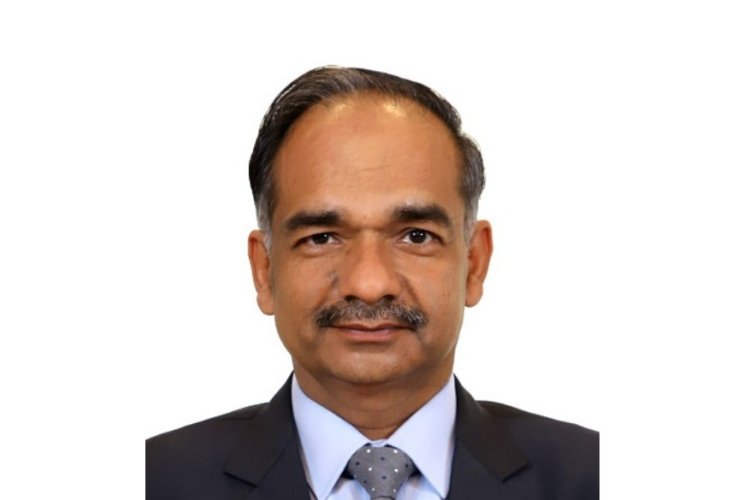
India has seen the fastest expansion in renewable energy; however, it is not enough, said Alok Kumar, IAS (retired), Director General, All India Discom Association, and Former Secretary, Ministry of Power, speaking at the Bharat Electricity Global Energy Forum.
While highlighting the challenges, he added that the grid emission factor has stayed above 700 grams of CO2 per unit for the last five years—it has not come down. Solar and wind capacities have grown, and tenders in green hydrogen and ammonia are discovering competitive prices. Yet paradoxically, 44 gigawatts of renewable projects are waiting for Power Purchase Agreements (PPAs), while states continue signing PPAs for coal-based plants with very high tariffs. Fixed charges for coal-based tariffs, around Rs 4.25, are very high and are likely to increase costs over the long term.
He further said that the challenges are not only on the project side—such as transmission, land acquisition, and right-of-way—but are even greater on the demand side. This is why 44 gigawatts of renewable capacity is ready but remains without PPAs.
He explained three demand-side challenges, including high tariffs for solar in India compared to Saudi Arabia, due to capital costs, GST, and import duties. “We must bring down renewable energy costs to international levels. The high cost of RE integration, including integration costs of backing down coal plants—higher heat rates, fatigue, and standard costs—discourages discoms,” he said.
He urged that discoms must sign more PPAs, but emphasized that several issues need to be addressed. He highlighted five areas that require focus:
- Higher Viability Gap Funding (VGF) for large storage, otherwise tariffs remain too high.
- Larger electrification of demand—electric mobility, electric cooking, and industrial electrification—to absorb renewables. China has 28% electricity in its energy mix; India is only around 20%. Without this, RE absorption will be limited. Studies show EVs reduce emissions even with current grid factors due to higher motor efficiency.
- Promote demand flexibility through faster deployment of smart meters, as demand response is not possible without them.
- Gradually transition away from the must-run status for renewables. With higher penetration, market-based instruments like contracts for difference are needed.
- State-differentiated Renewable Purchase Obligations (RPOs). Many states are below 15%, and pushing them to 29% unrealistically will raise costs and impact affordability.
Cross-subsidies must also be addressed. “If power purchase costs are not reduced, discoms cannot reduce surcharges or tariffs for consumers. Power costs must be controlled through higher VGF, better resource planning, and efficient dispatch,” he added.
Reliability is another key SDG goal. India’s system average interruption index is 600 minutes a year, compared to 35 in Thailand and 46 in Malaysia. Reliable supply is critical for AI, data centers, high-tech manufacturing, and industrialization. Cities require large investments in networks. Reliable supply also depends on digitalization and smart metering, which are essential to manage millions of prosumers.
What's Your Reaction?