Asia’s Carbon Capture Drive Raises Fossil Fuel, Cost, and Climate Risks
New analysis warns Asia’s carbon capture focus could expand fossil fuel use, raise costs, and lead to 25 billion tonnes of added CO₂ by 2050, diverting resources from proven clean energy.
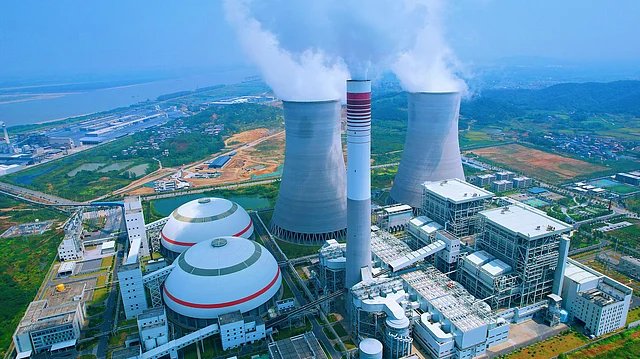
Asia’s increasing reliance on carbon capture and storage (CCS) to decarbonise hard-to-abate sectors could jeopardise climate targets and expand fossil fuel use, according to a new Climate Analytics report. The study warns that if large-scale CCS remains a pillar of Asia’s transition strategy, the effort could actually increase emissions by up to 25 billion tonnes of CO₂ by 2050—undermining the region’s contributions to the Paris Agreement.
Asia’s CCS push focuses mainly on sectors such as cement, steel, chemicals, aviation, and shipping in countries like China, India, Japan, South Korea, and others, which collectively account for the majority of global fossil fuel and greenhouse gas emissions. The report highlights that much of the region’s CCS deployment has prioritised prolonging the life of coal, oil, and gas assets rather than driving genuine emissions reductions. Critics argue that CCS has often acted as a lifeline for fossil industries, delaying more substantive transitions to renewable energy and proven clean technologies.
Despite CCS being publicised as a backbone for ‘clean growth’ across the region, its current global capacity is around 50 million tonnes of CO₂ per year, amounting to just 0.1% of annual emissions. In many cases, the captured gas is used to enhance oil recovery, further supporting fossil extraction. Experts caution that costs remain prohibitively high—above $200 per tonne of CO₂ compared to commercially viable rates of $10–$15—and that verifiable data on performance is lacking. Southeast Asian governments have been reluctant to invest heavily, given such uncertainties and low carbon pricing.
Multiple studies, including work by the Institute for Energy Economics and Financial Analysis, point to high CCS project costs, inconsistent results, and poor scalability. The Energy Transition Commission recommends that CCS should only play a limited supporting role rather than anchor national transition strategies. Proponents of decarbonisation warn that investing heavily in CCS may drain public resources and stall the widespread adoption of competitively priced renewables, efficiency measures, and electrification.
CCS’s mixed results globally risk diverting attention and funding from solutions with clearer records—such as solar, wind, grid modernisation, and direct electrification of industry and transport. Regional policymakers face new pressure to rethink CCS plans and prioritise scalable renewables if they hope to meet emissions goals efficiently and avoid locking economies into carbon-intensive pathways.
What's Your Reaction?