The Rise of Green MSMEs in India’s Sustainable Development
India’s MSMEs are adopting sustainable practices to reduce emissions and costs, supported by government initiatives like PM Surya Ghar and ZED Certification. Despite challenges like limited financing and technical expertise, green MSMEs in sectors like textiles are enhancing competitiveness and contributing to India’s net-zero goal by 2070.India’s MSMEs embrace sustainability to cut emissions and costs, driven by government schemes like ZED Certification, aiming to support net-zero goals by 2070.

Micro, small, and medium enterprises (MSMEs) in India are increasingly adopting sustainable practices, driven by the need to reduce environmental impact and enhance economic competitiveness. With over 63 million MSMEs contributing significantly to India’s GDP and emissions, their transition to green operations is critical for achieving the country’s net-zero goal by 2070. Government initiatives, technological advancements, and market demands are pushing MSMEs toward sustainability, particularly in sectors like textiles and chemicals, fostering a new era of eco-friendly business practices.
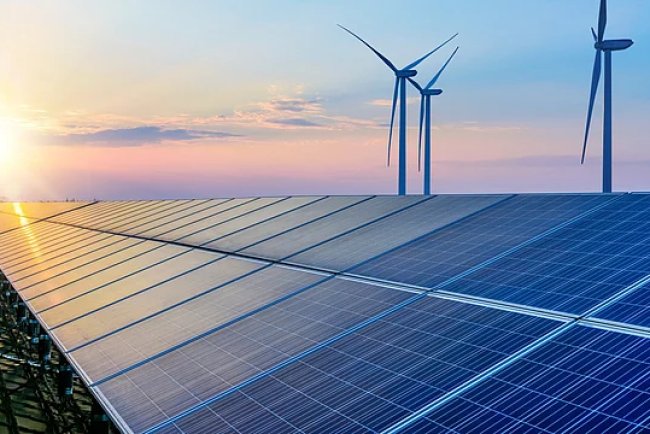
MSMEs account for approximately 30% of India’s GDP, 45% of its manufacturing output, and 10-15% of industrial sector emissions, contributing 3-4% to the nation’s total carbon dioxide output. With energy consumption equivalent to 50 million tons of oil annually, the sector’s environmental footprint is substantial. Recognizing this, many MSMEs are adopting green practices to reduce emissions and operational costs. For instance, rooftop solar panels have reached a capacity of 11.87 gigawatts, cutting power bills by 30% on average and reducing CO2 emissions by an estimated 110 million tonnes annually. These systems often pay for themselves within three to five years, making them a viable investment for small businesses.
The textile and chemical industries are leading this shift, with states like Gujarat, Maharashtra, and Kerala making significant progress. Government programs, such as the PM Surya Ghar scheme and the MSME Sustainable (ZED) Certification, support this transition by offering subsidies and technical assistance. The ZED scheme, part of the MSME Champions initiative, encourages businesses to adopt “Zero Defect Zero Effect” practices, focusing on quality production with minimal environmental harm. Subsidies cover up to 80% of certification costs for micro-enterprises, 60% for small enterprises, and 50% for medium enterprises, with additional incentives for women-owned or SC/ST-owned businesses.
Despite these efforts, challenges persist. Many MSMEs face a lack of trained technicians, with only 5% engaged in clean-tech research and development. Financing for sustainability projects remains limited, and existing programs are often complex to navigate. High initial costs and the inability to pass these expenses onto customers deter adoption, particularly in price-sensitive markets. Experts suggest that streamlined policies, such as a Green Credit Guarantee Fund and digital tools for easier access to subsidies, could accelerate the transition. Sector-specific technical advisors and simplified ESG tools are also needed to support MSMEs in meeting global sustainability standards.
The government’s commitment to reducing carbon intensity by 45% by 2030, as outlined in India’s Nationally Determined Contribution (NDC), underscores the importance of MSMEs in the clean energy transition. Initiatives like the BEE-SME scheme and GEF-UNIDO BEE program promote energy efficiency and renewable energy adoption in MSME clusters. Digital platforms, such as the Udyam Assist Platform and MSME Samadhaan Portal, facilitate registration and grievance redressal, enhancing access to resources. Additionally, partnerships with larger corporations and integration into global supply chains are creating opportunities for MSMEs to adopt sustainable practices, particularly in export-driven sectors like textiles, where compliance with international environmental standards is increasingly mandatory.
The economic benefits of sustainability are evident. MSMEs adopting green practices report improved market access, enhanced credibility, and cost savings. For example, textile MSMEs in Tiruppur that implemented Zero Liquid Discharge systems have regained access to European markets, where environmental compliance is a prerequisite. Similar trends are observed in food processing, ceramics, and auto components, where sustainability drives competitiveness. However, scaling these efforts requires addressing structural barriers, such as the lack of affordable financing and skilled labor. Experts advocate for tax benefits, low-interest loans, and sustainability boot camps to build capacity and incentivize green investments.
Conclusion
The rise of green MSMEs is pivotal to India’s sustainable development and net-zero ambitions. By adopting energy-efficient technologies and eco-friendly practices, MSMEs can reduce their environmental impact while enhancing profitability and global competitiveness. Government support through subsidies, digital platforms, and policy reforms is crucial to overcoming financial and technical barriers. As MSMEs continue to embrace sustainability, they will play a significant role in achieving India’s 2030 renewable energy target of 500 gigawatts and contribute to a cleaner, more resilient economy.
Source: The Economic Times
What's Your Reaction?