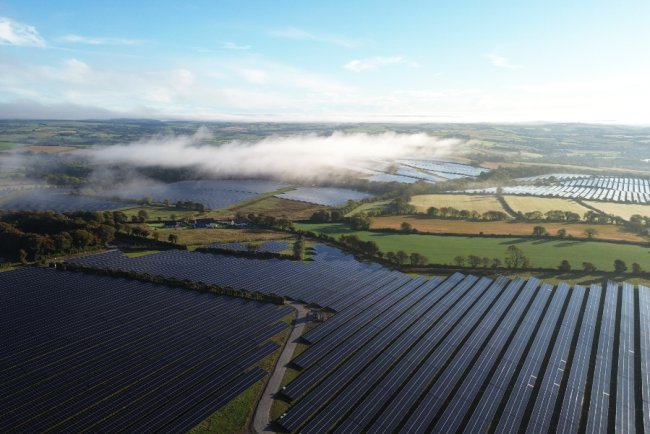
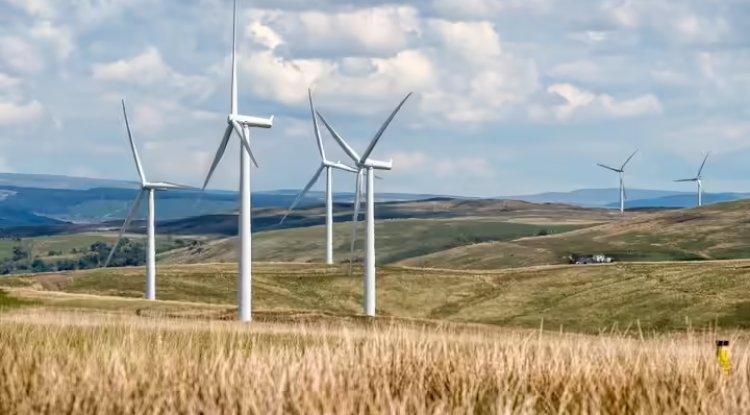
India has already reached 50% non-fossil power capacity (259 GW) by Oct 2025. In FY 2025-26 alone, 31.2 GW was added.

India has reached the milestone of obtaining 50% of its installed electricity capacity from non-fossil fuel sources. This achievement came five years earlier than the target set under the Paris Agreement. By 31 October 2025, India had about 259 GW of non-fossil electricity capacity, with 31.2 GW added in the current year.
Renewable Procurement and Tender Status
Renewable Energy Implementing Agencies (REIAs) under the Ministry of New & Renewable Energy, SECI, NTPC, NHPC and SJVN have approved contracts for 67,554 MW of new renewable power since April 2023. No LoAs have been cancelled during this period.
States are also inviting their own bids for renewable projects. In addition, many companies and industries are adding renewable capacity on their own through Green Energy Open Access and captive projects.
Shift Toward Solar-Plus-Storage
Distribution companies and large consumers are increasingly favouring solar-plus-storage and dispatchable renewable solutions as their costs decline. Demand for plain solar projects has reduced, and solar-plus-storage options are being preferred over wind-solar hybrids due to their ability to supply power during peak hours.
In response, the Government has advised REIAs to focus on tenders for solar with storage, peak-hour renewable supply, and firm and dispatchable renewable energy (FDRE) instead of plain solar tenders.
Measures to Support PPA Execution
To facilitate signing of Power Purchase Agreements (PPAs), the Government has encouraged States to comply with Renewable Consumption Obligation (RCO) requirements and advised REIAs to aggregate demand before issuing tenders. Regional workshops have been held with major renewable-procuring States to address implementation challenges.
Transmission System Planning and Storage Integration
The Central Electricity Authority (CEA) prepares transmission planning based on renewable energy potential identified by MNRE, implementing the network in phases aligned with capacity addition.
For planning up to 2032, around 47.2 GW of Battery Energy Storage Systems (BESS) has been considered. BESS deployment helps manage peak demand, reduce congestion, and improve utilisation of transmission infrastructure.
Under the CERC Connectivity and GNA (Third Amendment) Regulations, 2025, connectivity is now granted separately for solar and non-solar hours, enabling more efficient use of the transmission system and supporting integration of additional renewable energy with co-located storage without requiring new transmission lines.
What's Your Reaction?