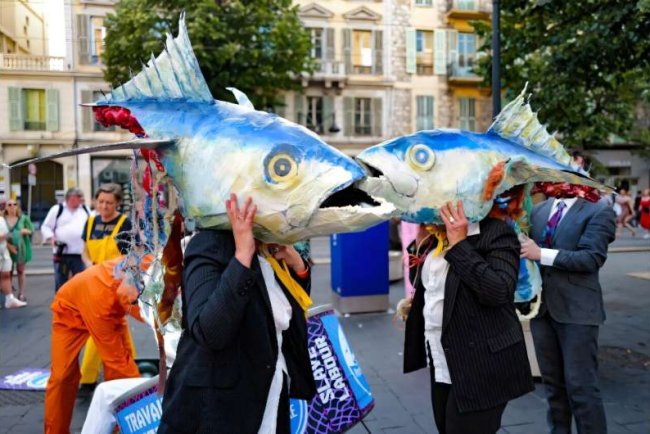
The UN Ocean Conference in Lisbon, attended by 6,000 participants from 150 countries, advanced the High Seas Treaty to protect marine biodiversity. The event focused on combating overfishing, pollution, and climate change while promoting sustainable fisheries and marine protected areas.
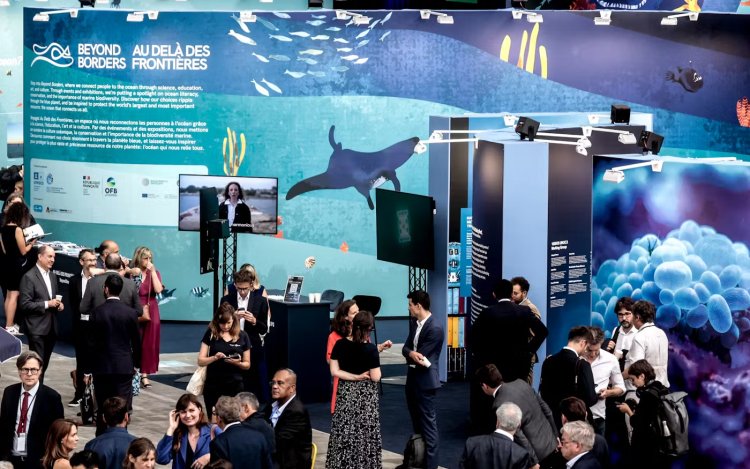
The United Nations Ocean Conference, held in Lisbon, Portugal, concluded with a record 6,000 delegates representing 150 countries, a milestone to save the world's oceans. Kenya and Portugal co-hosted the conference and discussed the agenda for acceleration of actions to protect sea life, and there was a pressing call for ratification of the High Seas Treaty. The internationally legally binding agreement will protect the high-seas area's biodiversity, which covers virtually half the planet but is insufficiently governed. The conference highlighted protecting the ocean from degradation through overfishing, pollution, and climate change and rallying countries to meet worldwide conservation goals.
The High Seas Treaty, more formally known as the Biodiversity Beyond National Jurisdiction (BBNJ) treaty, was the primary item of business at the meeting. Signed in 2023 following almost two decades of talks, the treaty gives an outline for the creation of marine protected areas (MPAs) in the world's oceans. The protected areas are important for maintaining sea biodiversity, aiding fish populations, and reducing the effects of climate change. Just 1% of the high seas are protected at present, far short of a global target to save 30% of the oceans by 2030 in the Kunming-Montanol Global Biodiversity Framework. The 22 countries, the European Union, Chile, and Canada, made the pledge during the conference to ratify the treaty by June 2025, leaving the number of ratified countries at 13. The remaining 97 countries are signatory to the deal, and they plan to ratify the treaty but require 60 countries to do so in order for the treaty to take effect. The conference also touched on the larger issues of the world's oceans briefly.
Excessive fishing has occurred with 35% of world fisheries being over-exploited. Plastic litter worth 11 million metric tonnes dumped into the ocean annually kills the sea life and sea ecosystem. Climate change is the culprit behind these dangers, with warmer oceans causing coral bleaching and ocean acidification that are lethal to shellfish and other sea creatures. Science-led remedies were the subject of the conference, with presentations on sustainable fisheries, reducing carbon emissions, and the expansion of MPAs being made. Lisbon leveraged the impetus of the 2017 Ocean Conference, which made over 1,400 voluntary ocean action commitments, some of which have been measurable in their effects, e.g., improved fisheries management and reduced plastic pollution. Ocean conservation and indigenous and local communities were highlights of the spot.
Marine resources remain of the highest significance for the health of populations around the coast, particularly small island developing states. It emphasized the activities in getting such groups involved in decision-making to allow traditional knowledge to inform conservation. Financing for ocean conservation was also of specific interest. The developing nations requested more funding available to actualize the sustainable measures and demanded new financing options to make it possible to realize the High Seas Treaty. The summit also broached technological innovations such as satellite tracking to combat illegal fishing and gear to locate plastic trash. The onboard conference enlisted a multilateral group of government, science, business, and civil society actors.
The side meetings and exchanges discussed the theme of deep-sea mining, renewable energy, and the blue economy. Among the quotes from the conference was an appeal for action towards accelerating treaty ratifications and achieving the 2030 conservation targets. It also highlighted global cooperation since no single country could deal with the ocean's issues individually. The record turnouts were evidence of the fact that the politicians and the public alike were increasingly interested in the ocean's role in controlling climate, food security, and biodiversity.
While things are moving, there are hindrances. Ratifications trail treaties in a sluggish manner, and this is alarming in arriving at the goal date of 2025. Geopolitics and competing national interests can be hurdles to ratification, whereas funding can be a hurdle to less developed nations. The conference urged sustained lobbying to ensure momentum continued to build. These are the High Ambition Coalition for Nature and People, a coalition of more than 100 countries, and which is urging greater ambition in nature protection commitments. The meeting also demanded that action for the ocean be integrated into the broader climate and biodiversity processes, such as next year's COP16 conference on biodiversity.
The Lisbon UN Ocean Conference has provided a clear direction regarding the protection of the ocean. As the High Seas Treaty becomes increasingly imminent and the world's interest in ocean conservation remains high, there is great hope for concrete progress. Reaching the 2030 objective of 30% protection of the ocean will continue to demand concerted effort, global cooperation, and sufficient finances. The success of this conference is that it can be an inspiration to motivate action and get people into action, but the challenge will be in the translation of intentions into concrete actions. The oceans, or the planet's life support system, depend on decisive and unified action everywhere to maintain their health for future generations.
Source: Eco-Business, "Is the tide turning for ocean protection? UN conference ends with record attendance and momentum for High Seas Treaty"
What's Your Reaction?