The New Baseline: How Gen Z is Making Sustainability Non-Negotiable
Gen Z is redefining sustainability through conscious consumption, digital activism, and purpose-driven choices. Growing up amid climate anxiety, they’re transforming awareness into action — influencing brands, reshaping work cultures, and demanding authenticity from companies. Their approach marks a cultural shift where sustainability is no longer optional but expected.
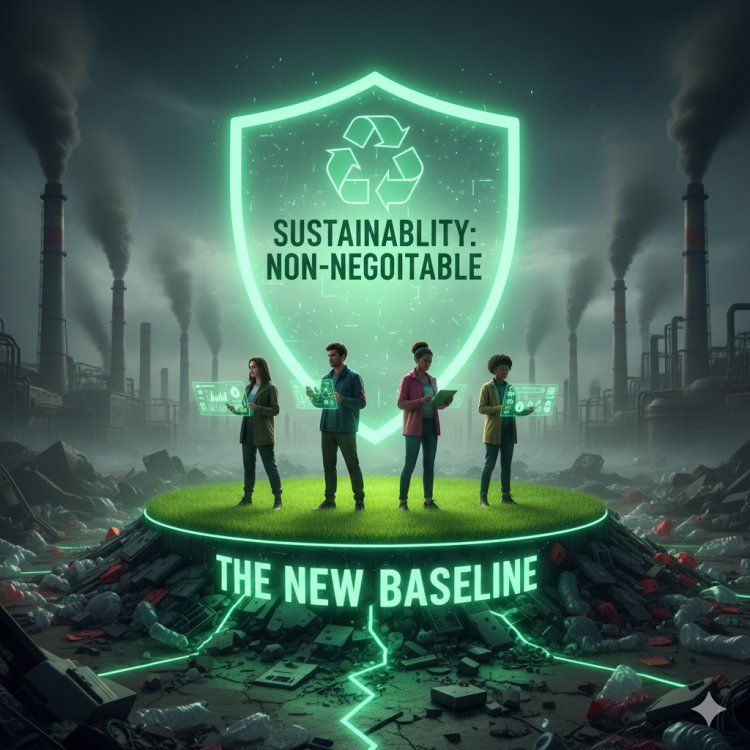
While it is often said that change always starts at the margins, for the generation born approximately between 1995 to 2012, the margin might be becoming the mainstream. Generation Z (Gen Z), the cohort born between 1995 and 2012, is coming of age in the midst of cumulative crises — climate change, social inequality, economic precarity — and the outcome is an orientation towards sustainability that is not future-oriented but is already in process.
From anxiety to action
Having grown up with wildfire headlines, flood video, and a stream of “You’ll inherit the mess” messages, many Gen Zers voice high climate anxiety. One study showed that of Gen Z university students surveyed, over 80% are definitely worried about climate change. But this is not paralysis — this is a pivot. These students say that anxiety is now part of their identity, and now part of their action.
Consumption as protest
Gen Z utilises their wallet as just one tool in their toolbox. For example, around 65% of Gen Z are willing to pay more, if they know the product is environmentally sustainable. More than half prefer to purchase from ecologically minded brands based on their values. We see it at the grocery store, but it also extends to the sneakers and T-shirts that one is confronted with every day. When trust, brand credibility, and online interaction highlight sustainability, Gen Z is much more likely to purchase. The shift is subtle and powerful — “you may have the green option if it is available” has shifted to “I expect you to be green, or you just lost me.”
Digital platforms and new megaphone
Social media is not just for scrolling - it is for organizing. Research reveals that digital engagement, influencer advocacy, and platform features factor heavily into Gen Z's sustainable consumption. Simply put, TikTok, Instagram, and YouTube are not an afterthought — they are the thought. A Gen Z consumer doesn't simply purchase a reusable water bottle — they hashtag, publicize, and encourage followers. And in that ripple, culture shifts.
More than Products: Purpose in work and life
It is not simply about what they buy — it is about what they do. For many Gen Zs, purpose matters. Surveys show 70% of Gen Z are likely to consider a company's environmental credentials in choosing where to work. The implications are simple, sustainable business practices are not add-ons — they are recruiting tools and culture and mission builders. Gen Z has their mission to fulfill; they want to work where the mission is aligned, not just the paycheck.
Everyday habits, systemic change
"Buy recycled" can roll off the tongue quite easily, but the transformation needs to happen when everyday habits, systemic structures, and communities align. Generation Z is more likely than previous generations to think about sharing, reusing, and alternative modes of transportation. In India, their choices around sustainable commuting, thrifting, and minimalist lifestyles indicate a developing understanding that small acts matter and significant change starts small. But there remains an important “say-do” gap — while 91% of Gen Z said they want to purchase from sustainable companies, this was often limited by financial constraints and the accessibility of sustainable options. Recognising this gap is important — it is not an indication that Gen Z is perfect, but a suggestion that Gen Z provides an opportunity to cultivate different habits.
Why it matters (and why it is important for advertising and media)
In relation to advertising and communication practice, this behavioural shift from Gen Z does present opportunities and challenges. Companies can no longer “eco” tag new products and assume the work is done. Matters of transparency, authenticity, and effect/impact are significant. For Gen Z, trust is built through lived values and values shared online. As a result, agency practitioners and creators no longer need to tell audiences, “we care,” but rather demonstrate how via their behavioural patterns and online communication in ways that are consistent and credible.
Gen Z did not opt for climate crisis. It was bequeathed to them. And instead of waiting to be saved, they re-adjusted how we consume, communicate, and collaborate. They are not the only players, and not the only way forward — but through their developing norms of purpose driven purchasing, digital activism, and values alignment, they are developing what could become the baseline for generations to come. For brands, institutions, and individuals, it’s less about perfect sustainability — and more about taking regular, real steps toward it.
What's Your Reaction?