This article explores the critical role of children and young adults in addressing climate change, highlighting their unique vulnerabilities, contributions to activism, and the importance of integrating their perspectives into climate policy and education systems.
Children and young adults are increasingly recognized as pivotal stakeholders in the global climate agenda. Despite contributing minimally to greenhouse gas emissions, they face disproportionate risks from climate change impacts, including extreme weather events, food insecurity, and health challenges. Their unique perspectives and innovative approaches position them as essential contributors to climate solutions.
Youth-led climate activism has gained momentum worldwide, with figures like Greta Thunberg and Ridhima Pandey bringing international attention to the urgency of climate action. Movements such as Fridays for Future have mobilized millions of young people, emphasizing the demand for systemic change and intergenerational equity. These initiatives highlight the capacity of youth to influence public discourse and policy.
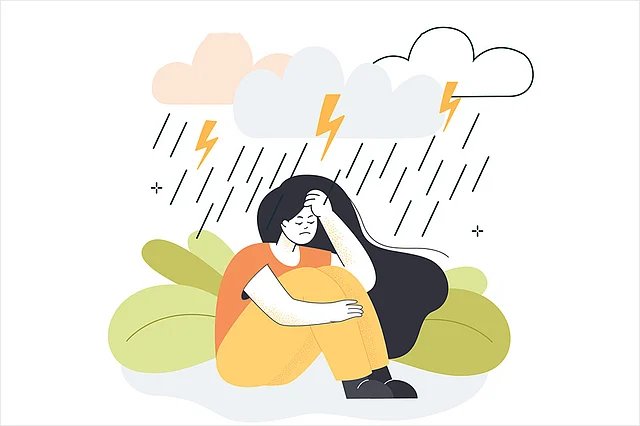
However, significant barriers hinder the full participation of young people in climate decision-making. A British Council report revealed that while 75% of surveyed youth feel equipped to address climate issues, 69% have never engaged in climate action, often due to limited access to resources, education, and platforms for expression. Additionally, the psychological toll of climate change, termed "climate anxiety," affects many young individuals, leading to feelings of helplessness and distress.
Education systems play a crucial role in empowering youth to engage with climate challenges. Integrating climate literacy into curricula, promoting STEM education, and supporting eco-clubs can foster a generation of environmentally conscious citizens. Investment in education, particularly in vulnerable regions, is essential for building resilience and enabling informed participation in climate action.
International forums, such as COP28, have begun to acknowledge the importance of youth involvement. Organizations like YOUNGO have facilitated youth participation in climate negotiations, advocating for policies that reflect the concerns and aspirations of younger generations. Ensuring that youth voices are not only heard but also integrated into policy frameworks is vital for effective and inclusive climate governance.
In conclusion, centering children and young adults in the climate agenda is not only a matter of justice but also a strategic imperative. Their engagement brings fresh perspectives, innovative solutions, and a long-term commitment to sustainability. By addressing barriers to participation and investing in education and empowerment, societies can harness the potential of youth to drive meaningful climate action.
Source: Adapted from Outlook Business article "Why Children and Young Adults Need to Be at the Centre of the Climate Agenda"
What's Your Reaction?