Bio-energy is strengthening India’s clean energy transition, supporting sustainability and energy security.
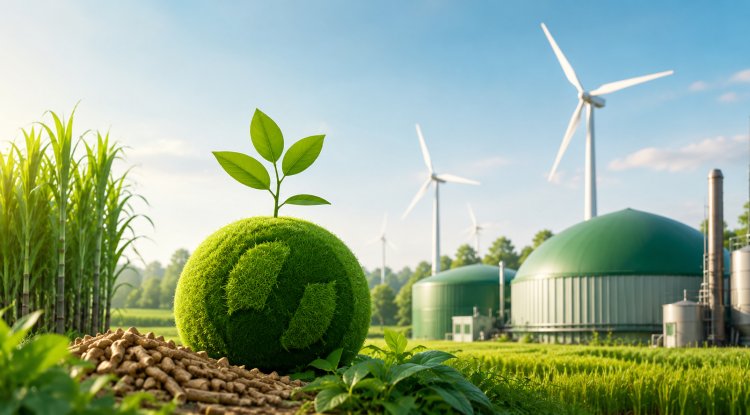
India is moving towards a cleaner and more sustainable energy future. This shift puts bio-energy, green growth, energy transition, clean energy, and net-zero emissions at the center of policy and industry conversations. As the country aims to improve energy security and lessen its reliance on fossil fuels, bio-energy is becoming an essential part of the national strategy to meet climate and economic goals in the long run.
The increasing focus on bio-energy and related areas reflects a broader effort to create an energy system that balances sustainability, affordability, and resilience. Industry stakeholders believe the sector can significantly support India’s climate commitments while also creating economic opportunities in rural and industrial regions.
Industry and Policymakers Discuss Sector Growth
The Trade Promotion Council of India (TPCI) recently gathered policymakers, diplomats, industry leaders, energy experts, innovators, and stakeholders from across the bio-energy value chain to discuss ways to speed up the country’s transition to sustainable and energy-secure growth.
The discussions centered on finding ways to scale up the bio-energy sector, attract investment, and promote wider use of renewable fuel technologies. Participants pointed out the necessity for stronger collaboration among government agencies, private companies, research institutions, and investors to create a supportive environment for growth.
New Committee Formed to Strengthen the Sector
As part of its efforts to support the industry, TPCI has set up a dedicated Bio-Energy Committee. This committee is expected to bring together stakeholders from the sector, encourage discussions on policy and regulatory reforms, and recommend frameworks that can help speed up deployment and open up investment opportunities.
According to the council, the initiative aims to create a platform for cooperation and sharing knowledge among industry members. The committee will also strive to align industry goals with India’s broader climate and sustainability objectives, including the commitment to achieve net-zero emissions in the coming decades.
Supporting Climate and Energy Security Goals
Industry representatives highlighted that bio-energy has multiple benefits beyond cutting down greenhouse gas emissions. The sector can help improve energy security by diversifying fuel sources and reducing reliance on imported fossil fuels. At the same time, it offers practical solutions for managing agricultural residues, organic waste, and other biomass resources that might otherwise lead to environmental issues.
Experts pointed out that the country’s growing energy demand requires a varied approach, where renewable sources work together. In this context, bio-energy is seen as an important piece that can enhance reliability and flexibility within the broader clean energy framework.
Opportunities for Rural Development
One major benefit of bio-energy is its potential to bring economic advantages to rural areas. Collecting, processing, and converting biomass resources can create new income opportunities for farmers and agricultural communities.
Industry leaders believe that better use of agricultural residues and organic waste can boost rural economies while addressing environmental issues related to waste. By connecting agricultural production with energy generation, bio-energy projects can help create jobs and support local economic growth.
The sector is also expected to drive innovation in biomass collection, logistics, and processing technologies, creating more opportunities for businesses and entrepreneurs in the renewable energy field.
Diverse Applications Across Energy Systems
Bio-energy comes from biological materials such as crop residues, agricultural waste, animal manure, forestry by-products, municipal organic waste, and dedicated energy crops. These resources can be turned into various energy products and services.
Applications include biofuels like ethanol, compressed biogas (CBG), electricity generation, heating solutions, and sustainable aviation fuel. The versatility of these technologies makes bio-energy relevant across many sectors, including transportation, power generation, industry, and aviation.
As demand for low-carbon energy solutions rises, stakeholders believe that bio-energy can work alongside other renewable sources like solar and wind by offering additional paths for decarbonization and resource efficiency.
Looking Ahead
The growing interest in bio-energy shows a broader change in India’s energy landscape. Policymakers and industry leaders are looking for integrated solutions to climate, energy security, and economic development challenges. With supportive policies, investment, and collaboration, the sector is expected to have a bigger role in the country’s shift to a low-carbon economy.
Stakeholders assert that promoting bio-energy adoption will require coordinated efforts among government, industry, and academia. As India strives to meet its long-term sustainability goals, bio-energy is increasingly seen not just as an alternative fuel source, but as a strategic part of the nation’s green growth pathway.
What's Your Reaction?