BTG Pactual launches $1.24B fund to restore 660,000 acres, linking forestry, carbon markets and jobs
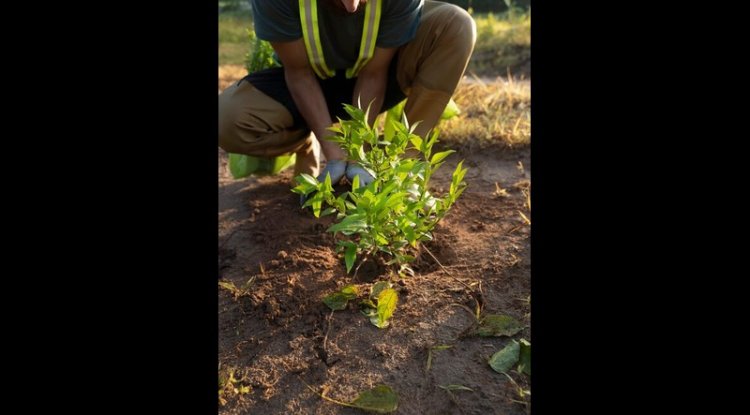
BTG Pactual has closed a $1.24 billion reforestation fund, the largest of its kind. This fund aims to restore 660,000 acres across Latin America while generating financial returns. It marks a significant development in increasing investment in reforestation, natural resources, carbon credits, biodiversity restoration, and climate finance. There is a growing interest from institutions in nature-based solutions.
The strategy combines commercial forestry with restoring degraded land. It aims to generate revenue from timber production, rising land values, and high-quality carbon credits. With backing from global investors and support from Conservation International, this initiative reflects the rising demand for investments in reforestation, natural resources, carbon credits, biodiversity restoration, and climate finance that align with climate and biodiversity goals.
Scaling Restoration Across Latin America
The fund aims to target about 660,000 acres, with nearly half set aside for conserving or restoring native ecosystems. The remaining land will focus on sustainably managed commercial forestry. A key area of interest is Brazil’s Cerrado, which is one of the world's most biodiverse but threatened ecosystems. More than half of its original vegetation has already been lost.
Initial results show nearly 29 million trees planted across over 64,000 acres. The initiative has conserved more than 53,000 acres and is restoring over 50,000 acres. Plans include connecting over 100,000 acres of fragmented habitats to strengthen biodiversity corridors and improve water systems. This will help reinforce ecological resilience across the landscape.
Financial Model Linking Nature and Returns
The fund combines various revenue sources, including sustainable timber production and carbon credit generation, to create long-term financial returns. It is designed to produce millions of carbon removal credits that meet high-quality standards.
In 2026, one of its projects became the first in the world to issue credits under Verra’s VM0047 afforestation and reforestation methodology. This addresses investor concerns about credibility and quality in voluntary carbon markets. Aligning with emerging global standards is crucial for expanding climate finance into nature-based assets.
Public finance has also backed the initiative. BNDES approved up to R$300 million (about $55 million) to support restoration efforts. This aligns with national goals to boost environmental and climate-related investments.
Rural Jobs and Community Development
In addition to environmental benefits, the strategy could support around 2,700 jobs at full scale. This number is significantly higher than traditional land uses like cattle ranching. In 2025 alone, it provided over 500 full-time equivalent jobs.
Community programs are also creating economic opportunities. A native seed collection project has trained local workers and provided extra income, contributing up to 20 percent of average household earnings for participants. This model connects ecological restoration with rural development, strengthening local economies and environmental outcomes.
Science and Governance Framework
The initiative is backed by a research partnership with the Federal University of Viçosa. A 200-acre field experiment is comparing restoration methods such as direct seeding and natural regeneration. This research aims to identify the most effective and scalable approaches for restoring degraded landscapes.
Governance frameworks include applying IFC Performance Standards. These ensure environmental and social safeguards throughout operations. This blend of scientific validation and regulatory alignment aims to boost investor confidence and guarantee measurable outcomes.
A Scalable Model for Natural Capital Investment
The fund represents a broader trend among institutional investors toward large-scale, performance-focused nature investments. Latin America's degraded landscapes are increasingly seen as a major chance for restoration and large-scale carbon removal.
By integrating restoration, conservation, and commercial forestry, this strategy offers a model that connects financial returns with climate and biodiversity results. Its success will depend on effective execution and the ability to replicate similar models in other areas.
As climate goals become stricter and biodiversity loss escalates globally, this fund places Latin America at the forefront of scalable natural capital solutions. It could transform how capital flows into forests, ecosystems, and rural economies.
What's Your Reaction?